
Typhlomyrmex foreli
- 学名
- Typhlomyrmex foreli
- 族
- Ectatommini
- 亜科
- Ectatomminae
- 命名者
- Santschi, 1925
- 分布
- 0 か国で発見
紹介
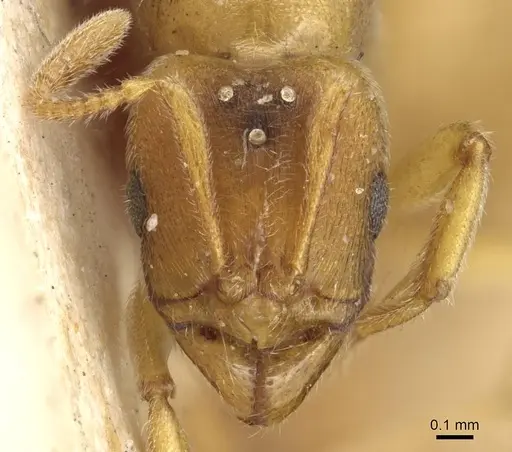
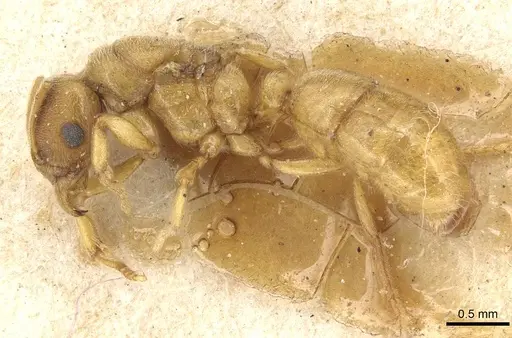
Typhlomyrmex foreli is a rare, subterranean ant from Brazil's Paraná state. The genus name means 'blind ant', all castes completely lack eyes and spend their entire lives underground . Only the queen has been scientifically described; the worker caste remains unknown . Santschi described the queen in 1925 from specimens collected in Rio Negro, Paraná . Like other Typhlomyrmex, they are blind predators that hunt in soil tunnels and almost never surface. This makes them one of the most obscure ants in the hobby, extremely difficult to find and study in the wild.
Quick Summary
- Difficulty: Expert
- Origin & Habitat: Brazil (Paraná), subtropical Atlantic Forest region with high humidity and moderate temperatures [1]
- Colony Type: Unconfirmed, colony structure has not been documented. Based on related Ectatomminae, likely single-queen colonies, but this is not confirmed.
- Size & Growth:
- Queen: No measurements available in the literature.
- Worker: Unknown, the worker caste has never been described [2].
- Colony: Unknown, no colony size data exists.
- Growth: Unknown, no development data available.
- Development: Unknown, no development studies exist for this species. (Development timeline is completely undocumented. Related Ectatomminae species develop over several months, but this is only a genus-level inference.)
- Antkeeping:
- Temperature: Likely 20-25°C based on native Brazilian habitat, no direct studies exist. Start in the low-to-mid 20s and observe colony behavior.
- Humidity: High humidity expected, Atlantic Forest region is humid. Keep the nest substrate consistently moist but not waterlogged.
- Diapause: Unknown, no seasonal data available. Brazilian populations may have reduced activity periods rather than true hibernation.
- Nesting: Natural nesting is unconfirmed. Based on genus behavior, they likely nest in soil chambers underground. In captivity, provide a deep soil-based setup that allows for tunneling.
- Behavior: Behavior is essentially unstudied. Typhlomyrmex are blind, subterranean predators that hunt through soil tunnels. As members of the tribe Ectatommini, they possess a functional sting. They are likely defensive when threatened. Escape risk cannot be assessed without worker descriptions. Given their underground lifestyle, they probably have limited vision and may not be strong climbers, but this is inference, not confirmed.
- Common Issues: worker caste is completely unknown, making captive care extremely challenging., no established husbandry guidelines exist for this species., specimens are extremely rare in the hobby due to limited wild distribution., blind, subterranean lifestyle makes them difficult to observe and study., founding behavior is unconfirmed, queen may need either claustral or semi-claustral conditions, but this is unknown.
Species Background and Identification
Typhlomyrmex foreli was described by Santschi in 1925 from a single queen collected in Rio Negro, Paraná, Brazil [1]. The type specimen is in the Natural History Museum Basel (NHMB). This species remains one of the most poorly known ants in the Neotropics, over a century after its description, the worker caste has never been observed or described [2]. The genus Typhlomyrmex contains about 15-20 species, all specialized subterranean ants completely lacking eyes. They belong to subfamily Ectatomminae, tribe Ectatommini, making them relatives of the better-known Ectatomma and Gnamptogenys. Complete absence of compound eyes in all castes is the most distinctive feature, they navigate and hunt entirely through chemical and tactile senses in total darkness.
Distribution and Habitat
Typhlomyrmex foreli is known only from its type locality in Paraná, Brazil [1]. This area is within the Atlantic Forest biome, a biodiversity hotspot with high humidity and moderate temperatures year-round. The specific microhabitat is unknown, but the genus Typhlomyrmex is associated with forested areas where they construct underground tunnel systems. They are considered extremely rare, not because they are uncommon, but because they almost never emerge above ground, making them nearly impossible to find through standard collecting methods.
Known Biology and Behavior
Direct biological studies on Typhlomyrmex foreli do not exist. General patterns from the genus can be inferred: they are predatory, using their stinger to subdue prey in underground tunnels. Their blind workers navigate using pheromone trails and tactile cues. They likely form small to moderate-sized colonies, as is typical for subterranean predators. The queen was described as macrogynous (large-bodied), suggesting claustral founding is probable, she would seal herself in a chamber and raise her first workers on stored fat reserves. However, this is inference from related species, not confirmed for T. foreli. Members of Ectatommini tribe possess functional stingers, so T. foreli queens likely can sting if handled. [1]
Keeping Typhlomyrmex foreli in Captivity
Keeping T. foreli is extremely challenging due to the complete lack of documented husbandry. If you obtain a queen, treat her as a potentially claustral founder, provide a deep test tube setup with moist cotton, placed in a dark, quiet location. Temperature should be around 22-25°C, mimicking subtropical conditions. Humidity should be high, the Atlantic forest is consistently humid. Once workers emerge, they will need a soil-based nesting area that allows for tunneling. A naturalistic setup with deep, moist soil and minimal disturbance is most appropriate. Feed small live prey items, these are predatory ants that likely hunt micro-arthropods. However, all this is speculative based on genus-level patterns, not species-specific care. Success with this species would be a genuine contribution to antkeeping knowledge.
Challenges and Ethical Considerations
This species is not recommended for beginners or even intermediate keepers. The complete absence of documented care means any colony would be an experimental endeavor with uncertain outcomes. Additionally, T. foreli has an extremely limited known range in southern Brazil. Wild collection would be difficult and ethically questionable given how little we know about wild populations. If this species becomes available through legitimate breeding programs, it would represent a unique opportunity to document captive biology. However, prospective keepers should carefully consider whether they have the expertise and resources to maintain a species where every aspect of care must be learned through experimentation. [1]
Frequently Asked Questions
What do Typhlomyrmex foreli ants look like?
Only the queen has been described, workers are unknown to science [2]. The genus is characterized by complete absence of eyes in all castes, giving them their name 'blind ants.' Queens are likely dark-colored like other Typhlomyrmex, but specific measurements and coloration details are unavailable.
Can I keep Typhlomyrmex foreli in a test tube?
A founding queen can be kept in a standard test tube setup with moist cotton. Once workers emerge, they will need a deeper soil-based setup that allows for tunneling, these are subterranean ants that naturally live in underground chambers. A naturalistic formicarium with deep, moist substrate is most appropriate.
How long does it take for Typhlomyrmex foreli to raise first workers?
No development studies exist for this species. Based on related Ectatomminae, expect several months from egg to worker, but this is a rough estimate with low confidence.
Do Typhlomyrmex foreli ants sting?
Likely yes, members of the tribe Ectatommini possess functional stingers. This has not been specifically documented for T. foreli, but given their predatory lifestyle, they probably use their stinger for prey capture.
Are Typhlomyrmex foreli good for beginners?
No, this is an expert-level species with no established care guidelines. The worker caste wasn't even described until recently (and still hasn't been). Keeping this species would require experimental husbandry with uncertain results.
How big do Typhlomyrmex foreli colonies get?
Unknown, no colony size data exists for this species. Related Typhlomyrmex typically form small to moderate colonies, but this is genus-level inference only.
What do Typhlomyrmex foreli eat?
Unconfirmed, but based on genus behavior, they are predatory ants that hunt small invertebrates in soil tunnels. Captive colonies would likely accept small live prey like springtails, but this is speculative.
Do Typhlomyrmex foreli need hibernation?
Unknown, no seasonal data exists. The native range in Paraná, Brazil has mild subtropical winters without true cold dormancy. The colony may have reduced activity periods rather than hibernation.
Can I keep multiple Typhlomyrmex foreli queens together?
Not documented, colony structure has never been studied. Without data, pleometrosis (multiple queen founding) cannot be recommended. Single-queen setups are the standard approach until more is known.
Where does Typhlomyrmex foreli come from?
Only known from Paraná, Brazil, specifically Rio Negro. This is in the Atlantic Forest region, a humid subtropical biome. The species was described in 1925 and remains extremely rare in collections [1].
Why is Typhlomyrmex foreli so rarely kept?
Several factors: extremely limited known distribution in southern Brazil, completely subterranean lifestyle making them nearly impossible to find in the wild, and the worker caste is undescribed. They are among the rarest ants in the hobby.
Is Typhlomyrmex foreli aggressive?
Not documented, but likely yes, most Ectatomminae are defensive when their nest is disturbed. Their predatory lifestyle and functional stinger suggest they would defend themselves if threatened. However, their subterranean nature means they rarely encounter threats in the wild.
Report an Issue
The current care sheet is based fully on literature. See inconsistencies, or something that's incorrect? Please , it will be resolved after review from an admin. Contributing to the blogs tab also helps providing information, to make us be able to further improve the caresheets. Thank you for your support!
References

この飼育シートのライセンスは: CC BY-SA 4.0 .
コミュニティブログ
CASENT0915316
AntWebで見る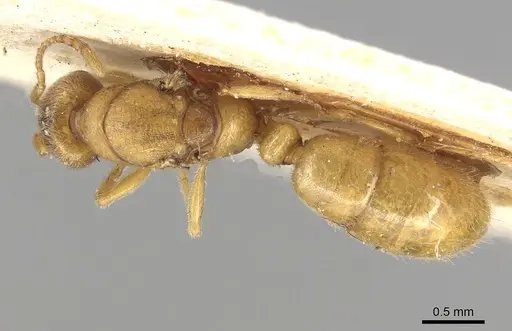
文献
分布マップを読み込み中...製品情報を読み込み中...