
Tetramorium davidi
- 学名
- Tetramorium davidi
- 族
- Crematogastrini
- 亜科
- Myrmicinae
- 命名者
- Forel, 1911
- 分布
- 0 か国で発見
紹介
Tetramorium davidi is a small, ground-dwelling ant species native to the Mediterranean Basin and Middle East. Workers are approximately 3-4 mm (inferred from Tetramorium genus). They belong to the meridionale species-group . The species was originally described from Israel/Palestine and has been recorded across Greece (Dodecanese, Karpathos), Iran, Turkey (Thrace), and Lebanon . It inhabits arid to semi-arid environments, such as low rainfall forests in Iran and sub-desert regions in Lebanon . These ants are ground-nesters that prefer open, warm habitats.
Quick Summary
- Difficulty: Easy
- Origin & Habitat: Native to the Mediterranean Basin and Middle East: Greece (Dodecanese, Karpathos), Iran (North, Fars, Ilam, Tehran, Zanjan, Shiraz), Israel (multiple regions), Turkey (Thrace), Lebanon (Qaa, Ksara). Inhabits low rainfall forests, sub-desert regions, and arid environments. Associated with warm, open habitats [2][5][1][6].
- Colony Type: Likely monogyne (single-queen colonies) based on typical Tetramorium patterns. No documented polygyny or ergatoid replacement reproductives for this species [1].
- Size & Growth:
- Queen: Approximately 5-6 mm (inferred from Tetramorium genus).
- Worker: Approximately 3-4 mm (inferred from Tetramorium genus).
- Colony: Unknown, likely up to several hundred workers (inferred from Tetramorium species).
- Growth: Moderate, typical for Mediterranean Tetramorium species.
- Development: Estimated 6-8 weeks at optimal temperature (inferred from genus-level data for Tetramorium). (Development is temperature dependent, faster in warm conditions (24-28°C), slower if kept cool.)
- Antkeeping:
- Temperature: Keep at 24-28°C for optimal development (inferred from Mediterranean habitat). These ants occur in warm climates and tolerate higher temperatures well. A slight temperature gradient is beneficial.
- Humidity: Low to moderate, these ants come from arid environments. Keep the nest substrate mostly dry with occasional light moisture. Avoid overwatering, allow the nest to dry out between waterings.
- Diapause: Yes, a winter rest period of 2-3 months at 10-15°C is recommended. This reflects their Mediterranean distribution and seasonal activity patterns. Skipping hibernation may weaken colonies over time.
- Nesting: Y-tong (AAC), plaster, or dry soil nests work well. They prefer tight chambers scaled to their small worker size. Provide good ventilation to avoid stagnant, humid air. Naturalistic setups with dry substrate are suitable.
- Behavior: Generally peaceful and non-aggressive. Their primary defense is smearing venom using a modified spatulate stinger (typical for tribe Crematogastrini), they do not typically sting. Workers are active foragers that form trails to food. They have moderate escape risk due to small size (3-4 mm), ensure enclosures have tight-fitting lids and barrier methods like fluon or mineral oil moats.
- Common Issues: escape prevention is important, their small size (3-4 mm) means they can squeeze through tiny gaps., dry conditions are preferred, overwatering can cause mold and fungal infections that kill colonies., winter rest is recommended, skipping hibernation can lead to weakened colonies and reduced lifespan., wild-caught colonies may carry parasites or pathogens, quarantine new colonies., slow growth if kept too cool, maintain temperatures in the mid-20s°C for healthy development.
Housing and Nest Setup
Tetramorium davidi does well in Y-tong (AAC) nests, plaster nests, or dry soil setups. Because they come from arid environments [1], keep the nest relatively dry. Provide tight chambers scaled to their small worker size. For the outworld, use a plastic container with a tight lid or barrier. Their small size (3-4 mm) means they can escape through tiny gaps, so seal all openings. Use a water moat or fluon barrier if needed. Ventilation is important to prevent stagnant humid air. Test tubes work for founding, but move to a formicarium once the colony reaches about 50-100 workers.
Feeding and Diet
Like most Tetramorium species, T. davidi is an omnivore. They accept both protein and sugar sources. Offer small insects like fruit flies, pinhead crickets, or small mealworms. Provide honey water or sugar water as a carbohydrate source. They will scavenge dead insects. For founding colonies, offer a small drop of honey water and small prey items once workers emerge. Remove uneaten food after 24-48 hours to prevent mold. A varied diet supports healthy colony growth.
Temperature and Seasonal Care
Keep the colony at 24-28°C for optimal development. This temperature range is inferred from their natural Mediterranean and Middle Eastern habitat [1][2]. They can tolerate short periods of higher temperatures but avoid direct sunlight. During winter (November to February in Northern Hemisphere), provide a cool rest period at 10-15°C for 2-3 months. This mimics their natural seasonal cycle and helps maintain colony health. Do not feed during hibernation, but keep a small water source available. Without a proper winter rest, colonies may weaken over time.
Behavior and Colony Dynamics
Tetramorium davidi workers are active, diurnal foragers. They use chemical trails to recruit nestmates to food sources. Their defense mechanism is smearing venom with a modified spatulate stinger (typical for Crematogastrini tribe). They are not aggressive and will typically flee or smear venom rather than sting. Workers are small (approximately 3-4 mm, inferred from Tetramorium genus). Colony growth is moderate, expect 6-12 months to reach 100+ workers. Mature colonies may reach several hundred workers. Queens can live for several years under proper care.
Handling and Observation
These ants are not suitable for handling but are engaging to observe. Their small size and active foraging make them interesting pets. They are not known for biting or stinging aggressively, their smearing defense is not harmful to humans. For observation, use a clear Y-tong or plaster nest to watch brood development and worker activities. Good lighting and possibly a magnifying glass help see details. When moving or cleaning, use gentle methods like a soft brush to avoid harming the fragile workers.
Frequently Asked Questions
How long does it take for Tetramorium davidi to raise first workers?
First workers (nanitics) typically emerge after 6-8 weeks when kept at optimal temperature (around 25°C). Development is faster in warm conditions and slower if kept cooler. The queen will seal herself in during founding and not emerge until the first workers hatch.
Can I keep Tetramorium davidi in a test tube?
Yes, test tubes work well for founding colonies. Use a test tube (15 mm diameter or smaller) with a cotton plug for water. Keep it horizontal so the queen can choose between humidity and dry areas. Upgrade to a formicarium once the colony reaches 50-100 workers.
Do Tetramorium davidi ants sting?
They have a stinger but do not sting in the typical sense. Their defense is to smear venom onto enemies using a flattened, spatulate stinger (a smearing defense). They are not aggressive and rarely use it against humans. If handled, you may feel a mild irritation but it's not painful.
What temperature do Tetramorium davidi need?
Keep them at 24-28°C for optimal development. They come from warm Mediterranean and Middle Eastern climates and tolerate higher temperatures well (up to low 30s°C briefly). A temperature gradient allows workers to choose their preferred spot. Avoid temperatures below 18°C for extended periods.
Do Tetramorium davidi need hibernation?
Yes, a winter rest period of 2-3 months at 10-15°C is recommended. This reflects their natural seasonal cycle in their Mediterranean distribution. Reduce temperature and do not feed during this period, but keep some water available. Skipping hibernation may weaken colonies over time.
How big do Tetramorium davidi colonies get?
Based on typical Tetramorium species, colonies likely reach up to several hundred workers at maturity. Growth is moderate, expect 6-12 months to reach 100 workers with proper care.
What do Tetramorium davidi eat?
They are omnivores. Feed them small insects (fruit flies, pinhead crickets, small mealworms) and sugar sources (honey water, sugar water). They scavenge dead insects in nature. Provide a varied diet for healthy colony growth.
Are Tetramorium davidi good for beginners?
Yes, they are considered easy to keep. They are forgiving of minor care mistakes, tolerate dry conditions well, and are not aggressive. Their small size and moderate colony growth make them suitable for beginners who want an active, observable species.
When should I move my Tetramorium davidi to a formicarium?
Move to a proper formicarium (Y-tong, plaster, or dry soil nest) once the colony reaches 50-100 workers. Test tubes become cramped and can develop mold with larger colonies. Ensure the new nest has appropriate low humidity zones.
Why are my Tetramorium davidi dying?
Common causes include overwatering (they prefer dry conditions), temperatures too cool (slows development and weakens colonies), mold from excess moisture, or parasites from wild-caught colonies. Check that humidity is low, temperature is 24-28°C, and remove uneaten food promptly. Quarantine new wild-caught colonies.
Report an Issue
The current care sheet is based fully on literature. See inconsistencies, or something that's incorrect? Please , it will be resolved after review from an admin. Contributing to the blogs tab also helps providing information, to make us be able to further improve the caresheets. Thank you for your support!
References

この飼育シートのライセンスは: CC BY-SA 4.0 .
コミュニティブログ
CASENT0909105
AntWebで見る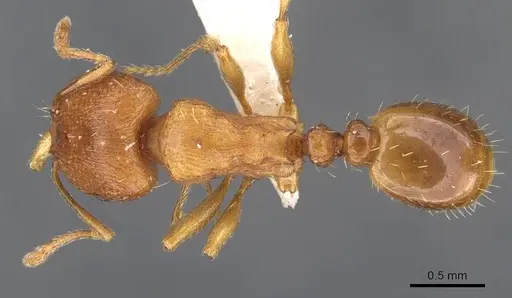
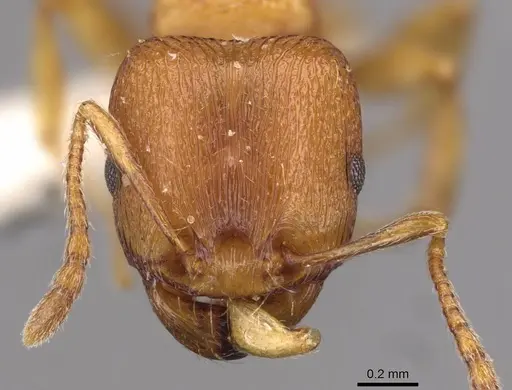
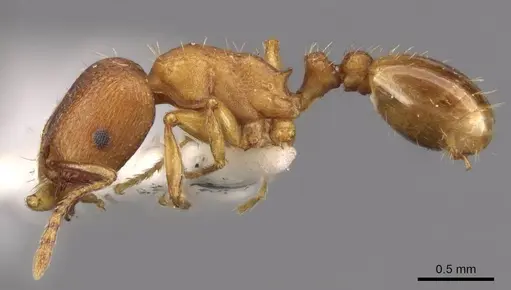
文献
分布マップを読み込み中...製品情報を読み込み中...