
Tetramorium bequaerti
- 学名
- Tetramorium bequaerti
- 族
- Crematogastrini
- 亜科
- Myrmicinae
- 命名者
- Forel, 1913
- 分布
- 0 か国で発見
紹介
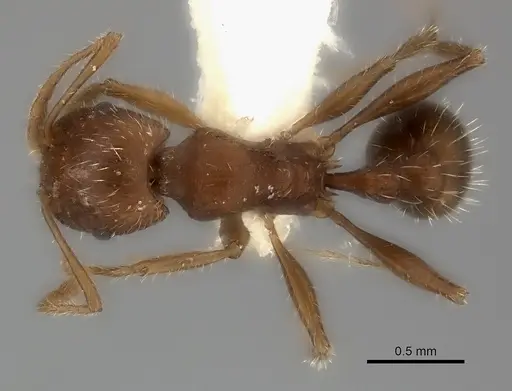
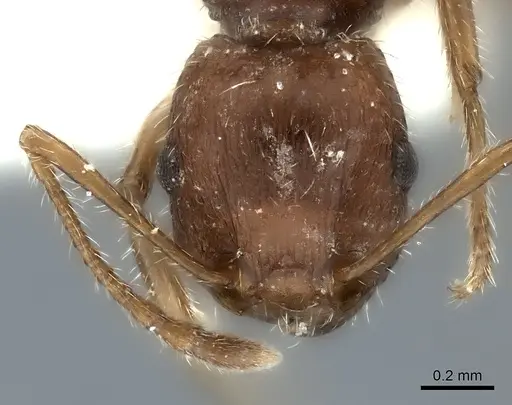
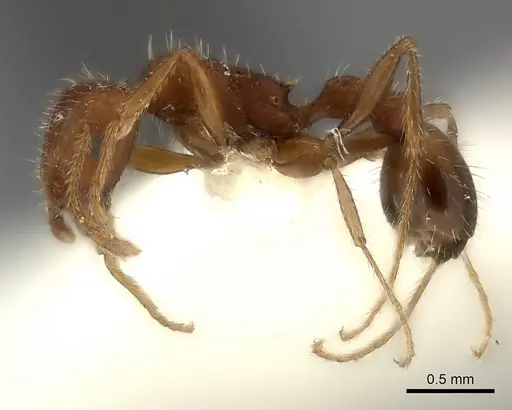
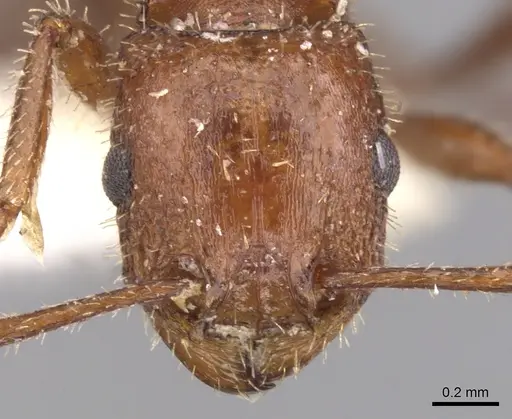
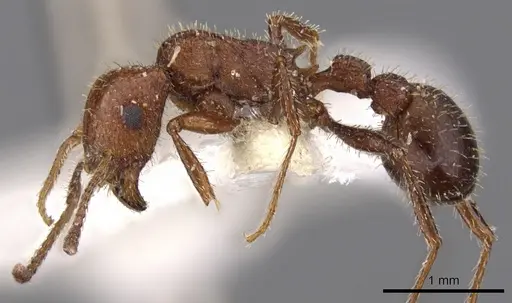
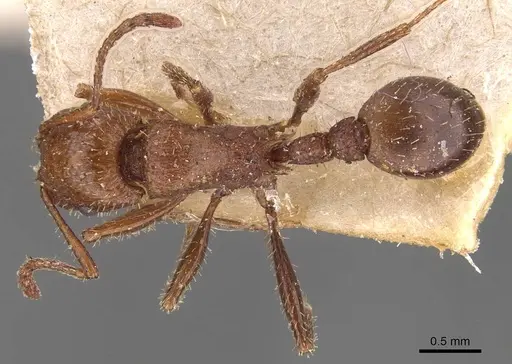
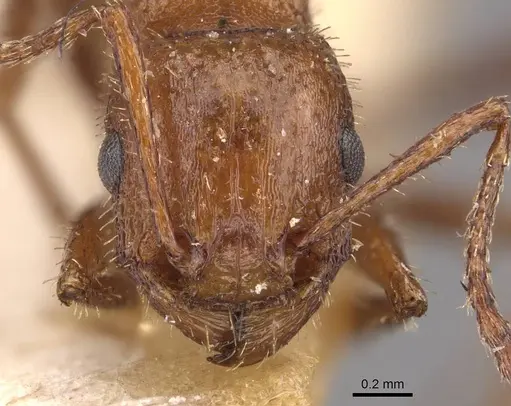
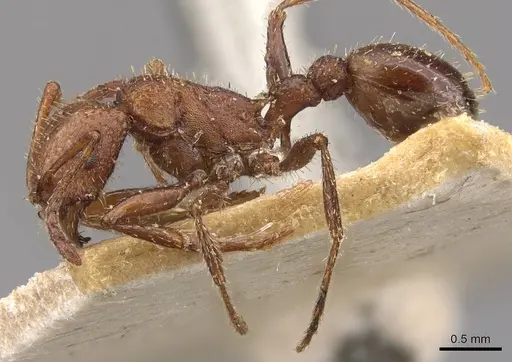
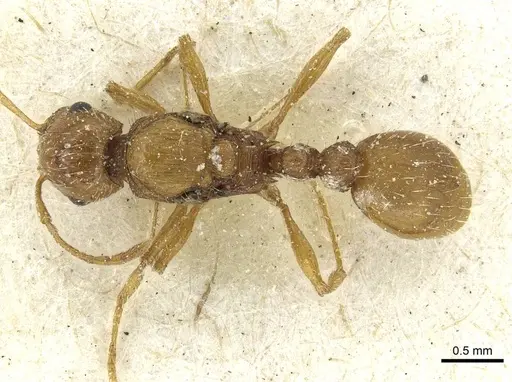
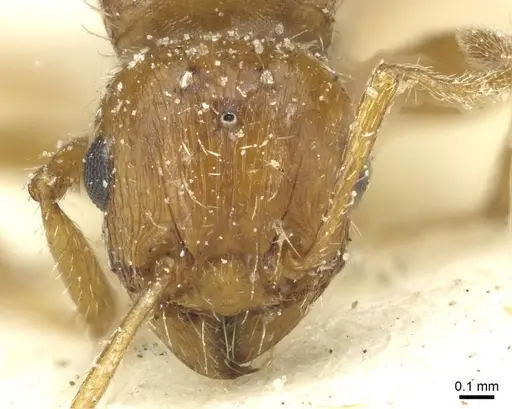
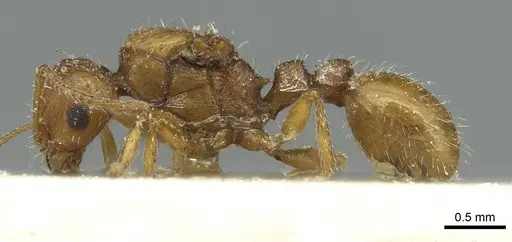
Tetramorium bequaerti is a small ant species native to the Democratic Republic of Congo, specifically confirmed in the southern provinces of Haut-Katanga and Haut-Lomami . The species was first recorded in early 20th-century surveys and remains very poorly studied. Almost nothing is known about its biology or captive care, so all husbandry advice must be inferred from better-known relatives in the genus Tetramorium.
Quick Summary
- Difficulty: Hard
- Origin & Habitat: Southern Democratic Republic of Congo (Haut-Katanga and Haut-Lomami provinces) [1]. The specific natural habitat is undocumented, but the region is dominated by miombo woodland and savanna with distinct wet and dry seasons.
- Colony Type: Unknown, based on typical Tetramorium patterns, it is likely monogyne (single queen), but this has not been confirmed by any study.
- Size & Growth:
- Queen: ~8-10 mm, inferred from Tetramorium queens (no species-specific data)
- Worker: ~3-5 mm, inferred from Tetramorium workers (no species-specific data)
- Colony: Unknown, typical Tetramorium colonies reach several hundred workers, but this is an estimate
- Growth: Moderate, based on related Tetramorium species
- Development: Estimated 6-8 weeks at 24-28°C, based on related Tetramorium species (no direct data for this species) (Temperature strongly affects development speed, warmer conditions accelerate it)
- Antkeeping:
- Temperature: Keep at 24-28°C year-round, this is a tropical species. Use a heating cable on top of the nest to create a gradient. Avoid sustained temperatures below 20°C.
- Humidity: Maintain moderate substrate moisture: damp but not waterlogged. The natural habitat has distinct wet and dry seasons, so some variation is tolerated. Provide a water source in the outworld.
- Diapause: No true diapause needed, this is a tropical species. A slight temperature drop (to ~20-24°C) during the dry season (roughly November-February) may be beneficial but is not required.
- Nesting: Y-tong (AAC), plaster, or test tube nests all work well. Because the ants are small, ensure tight-fitting chambers and narrow passages to prevent escapes.
- Behavior: Workers are active foragers, typical of Tetramorium. They are not particularly aggressive toward keepers but will defend the nest. Their small size (3-5 mm) means escape prevention is critical, use fine mesh or tight seals. Like other Myrmicinae (tribe Crematogastrini), they have a modified flat stinger used to smear venom rather than inject it, causing only mild irritation to humans.
- Common Issues: tropical species requires consistent warmth, low temperatures stop brood development and can kill the colony, small worker size means they can squeeze through tiny gaps, use airtight seals and fine-mesh barriers, almost no species-specific data exists, most care advice is guesswork based on genus-level patterns, wild-caught colonies may introduce parasites or diseases, quarantine new colonies and observe before placing near others, overheating from direct heat sources without a gradient is a real risk, always provide a cool zone
Temperature and Heating
As a tropical species from the DRC, Tetramorium bequaerti needs warm conditions. Keep the nest at 24-28°C all year. Place a heating cable on top of the nest to create a gentle gradient, this lets workers choose the temperature they prefer. Never put the heating cable underneath, it will dry out the substrate and can kill the colony. A small thermostat helps avoid harmful swings. Sustained temperatures below 20°C will slow or stop brood development.
Housing and Nest Setup
Any standard formicarium works for this species. Y-tong (AAC) blocks, plaster nests, and test tube setups are all good options. The key is to make chambers and passages tight enough to keep such small ants from escaping. Use a fine mesh or secure seals around the outworld. A simple outworld with sand substrate and a few hiding spots will satisfy their foraging needs.
Feeding and Diet
Tetramorium are generalist omnivores. Offer a varied diet: small live insects (fruit flies, pinhead crickets, small mealworms) for protein, and sugar water, honey, or commercial ant nectar for carbohydrates. Remove uneaten food after a day to prevent mold. Fresh water should always be available, a small water tube in the outworld works well. Feed protein 2-3 times per week and keep sugar available at all times.
Humidity and Water
Keep the nest substrate damp but not soaked. The natural region has distinct wet and dry seasons, so the ants can handle some variation. A water source in the outworld helps maintain overall humidity. Watch for condensation, too much moisture promotes mold, while too little dries the ants out. Adjust watering based on how the substrate looks, not on a fixed schedule.
Seasonal Care and Diapause
This tropical species does not need true hibernation. It may benefit from a mild dry-season rest: lower the temperature slightly (to 20-24°C) from November to February, and reduce feeding slightly. Do not let it drop below 18°C. Year-round warmth and regular feeding will also work, but simulating a seasonal cycle might improve long-term colony health.
Defense and Stinging
Like all members of the tribe Crematogastrini, Tetramorium bequaerti has a modified, flattened stinger. Instead of stabbing, it wipes or smears venom onto enemies. This venom is mild to humans, causing only a brief irritation. The ants are not aggressive and will only use this defense if directly handled or if the nest is disturbed.
Frequently Asked Questions
How long until Tetramorium bequaerti produces its first workers?
There is no data for this species. Based on related Tetramorium, it likely takes about 6-8 weeks from egg hatching to adult at 24-28°C. Warmer temperatures speed things up, cooler ones slow them down.
What temperature do Tetramorium bequaerti need?
Keep them at 24-28°C year-round. This is a tropical ant that cannot handle prolonged cold. A heating cable on the nest, creating a gradient, is the best way to provide the right conditions.
Can I keep Tetramorium bequaerti in a test tube?
Yes, a test tube setup works for founding and small colonies. Use a tube with a water reservoir sealed by a cotton plug. Once the colony grows to a few dozen workers, move them to a proper formicarium with an outworld for more space.
How big do Tetramorium bequaerti colonies get?
The true colony size is unknown. Most Tetramorium species that have been studied reach several hundred to a few thousand workers. It is probably similar, but without species-specific data this is just an educated guess.
Does Tetramorium bequaerti sting?
Yes, but the sting is very mild. It smears venom rather than injecting it, like other ants in the tribe Crematogastrini. The sensation is brief and harmless to humans.
What do Tetramorium bequaerti eat?
They are omnivores. Give them small insects (fruit flies, small crickets, pieces of mealworm) for protein, and sugar water, honey, or ant nectar for carbohydrates. Variety is key. Remove leftovers to avoid mold.
Is Tetramorium bequaerti good for beginners?
This species is rated Hard, not for beginners. Very little is known about its exact needs, and it requires steady tropical heat year-round. Even experienced keepers will have to rely heavily on guesswork.
Does Tetramorium bequaerti need hibernation?
No, it is a tropical species and does not need a real winter rest. A slight temperature drop during the dry season (roughly November-February) may help, but keep it above 18°C.
Why are my Tetramorium bequaerti dying?
The most common causes are: temperatures too low (below 20°C), poor escape prevention (they escape and are lost), mold from overwatering, or parasites from wild-caught stock. Check your temperature first, then inspect the setup for leaks and moisture.
Report an Issue
The current care sheet is based fully on literature. See inconsistencies, or something that's incorrect? Please , it will be resolved after review from an admin. Contributing to the blogs tab also helps providing information, to make us be able to further improve the caresheets. Thank you for your support!
References

この飼育シートのライセンスは: CC BY-SA 4.0 .
コミュニティブログ
文献
分布マップを読み込み中...製品情報を読み込み中...