
Tetramorium amissum
- 学名
- Tetramorium amissum
- 族
- Crematogastrini
- 亜科
- Myrmicinae
- 命名者
- Bolton, 1980
- 分布
- 0 か国で発見
紹介
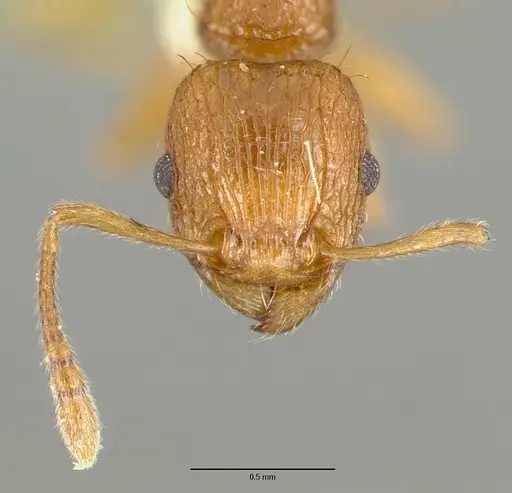
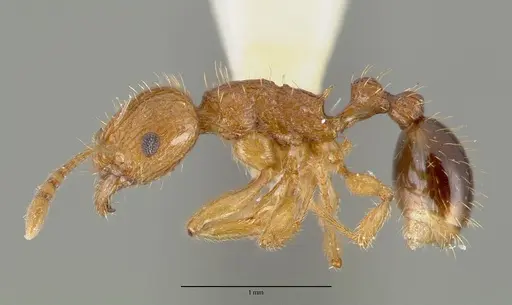
Tetramorium amissum is a small ant species endemic to the Sud-Kivu region in the Democratic Republic of Congo . Workers are typical of the genus - small, dark-bodied ants with a compact build and 12-segmented antennae. The species was described by Bolton in 1980 and remains poorly studied. As a Central African species, it likely comes from a tropical habitat with warm temperatures and moderate to high humidity. This ant is one of many Tetramorium species with limited documentation in the antkeeping hobby.
Quick Summary
- Difficulty: Unknown
- Origin & Habitat: Endemic to Sud-Kivu in the Democratic Republic of Congo [1]. The region has tropical highland habitats with moderate elevation.
- Colony Type: Unconfirmed, colony structure has not been documented. Most Tetramorium species are monogyne (single queen), but this is not confirmed for Tetramorium amissum [2].
- Size & Growth:
- Queen: Undocumented, typical Tetramorium queens are 5-9mm [2]
- Worker: Undocumented, typical Tetramorium workers are 2-4mm [2]
- Colony: Unknown for this species
- Growth: Unknown
- Development: Unconfirmed, estimated 4-8 weeks based on typical Tetramorium development at tropical temperatures [2] (Development time is estimated from related species, specific data for Tetramorium amissum is not available.)
- Antkeeping:
- Temperature: Likely 22-28°C based on Central African origin, start in this range and observe colony activity.
- Humidity: Keep the nest substrate consistently moist but not waterlogged.
- Diapause: Unlikely, as a tropical species from the DRC, it probably does not require winter diapause.
- Nesting: Likely prefers soil-based nests with access to moisture, test tubes with water reservoirs or plaster/Y-tong nests are likely suitable.
- Behavior: Not specifically documented. Tetramorium ants are generally moderate foragers and opportunistic feeders. Their small size (workers under 4mm) means escape prevention is important regardless of behavior. Based on tribe Crematogastrini, this species likely uses a smear defense (smears venom rather than stinging).
- Common Issues: lack of documented care information makes proper husbandry challenging, specific temperature and humidity requirements remain unknown, growth rate and development timeline are estimated, not confirmed, wild-caught colonies may have parasites or diseases not yet identified, small size means escape prevention is critical even without specific behavior data
Species Background
Tetramorium amissum is a poorly documented ant species described by Bolton in 1980 and known only from its type locality in Sud-Kivu, Democratic Republic of Congo [1]. This makes it a rare species in antkeeping circles, little scientific literature exists on its colony structure, behavior, or care. The Sud-Kivu region sits at moderate elevation in tropical Central Africa, suggesting a warm, humid habitat. This ant represents a significant knowledge gap.
Housing and Nesting
Since no specific nesting data exists for Tetramorium amissum, recommendations must be based on what works for other Tetramorium species. Test tube setups with water reservoirs work well for founding colonies, they provide humidity control and a secure chamber. For established colonies, a plaster or Y-tong (AAC) nest with moisture-retaining chambers will help maintain appropriate humidity. The nest should have chambers sized for small workers, with narrow passages. A small outworld for foraging completes the setup.
Temperature and Humidity
Based on its Central African origin, Tetramorium amissum likely thrives in warm conditions. Aim for temperatures around 22-28°C, this matches the tropical climate of Sud-Kivu. Room temperature in this range may suffice without extra heating. For humidity, keep the nest substrate consistently moist but not waterlogged. In a test tube, the water reservoir naturally maintains moisture. In larger nests, mist the substrate periodically. Consistency is key, avoid sudden temperature or humidity swings.
Feeding
Like most Tetramorium species, Tetramorium amissum is likely an opportunistic generalist. Offer protein sources like small insects (fruit flies, pinhead crickets, mealworms) and provide sugar water or honey for carbohydrates. For a founding colony, a small drop of honey nearby can help. Feed small amounts that the colony can consume within a day or two, and remove uneaten food to prevent mold. The exact dietary preferences of this species are unstudied, so some experimentation may be needed.
Colony Development
The founding behavior of Tetramorium amissum has not been documented. Most Tetramorium species are claustral, the queen does not forage and relies on stored reserves to raise the first workers [2]. Expect the first workers to appear 4-8 weeks after founding, depending on temperature. Initial growth will be slow as the queen lays only a small number of eggs. Once the first workers emerge, they will begin foraging and colony growth should accelerate. Maximum colony size is unknown but based on genus patterns likely reaches several hundred workers [2].
Frequently Asked Questions
How difficult is Tetramorium amissum to keep?
Difficulty is unknown since this species has no documented history in the antkeeping hobby. Based on genus patterns, it may be manageable for intermediate keepers, but the lack of specific care information makes it challenging for anyone.
What do Tetramorium amissum ants eat?
They likely accept standard ant foods, small insects for protein and sugar water or honey for carbohydrates. The exact preferences are unstudied, so offer a variety and observe.
Do Tetramorium amissum ants need hibernation?
Unlikely. As a tropical species from Central Africa (DRC), it probably does not require a winter diapause. Maintain warm temperatures year-round.
How long until first workers appear?
Unconfirmed for this species, but estimated at 4-8 weeks from egg to worker based on typical Tetramorium development at warm temperatures (around 24-26°C) [2].
Can I keep multiple Tetramorium amissum queens together?
Colony structure is unconfirmed for this species. Most Tetramorium are monogyne (single queen), but polygyny has been documented in some species [2]. Without specific data, combining unrelated queens is not recommended.
What temperature should I keep Tetramorium amissum at?
Based on its Central African origin, aim for 22-28°C. Room temperature in this range should suffice. If cooler, a gentle heating cable on one side of the nest can provide additional warmth.
Do Tetramorium amissum ants sting?
Tetramorium amissum belongs to subfamily Myrmicinae, tribe Crematogastrini, which uses a smear defense, a modified stinger that wipes venom onto enemies rather than piercing. The venom is not considered medically significant.
How big do Tetramorium amissum colonies get?
Maximum colony size is unknown for this species. Based on genus patterns, colonies likely reach several hundred workers [2]. Growth rate is also unconfirmed.
Is Tetramorium amissum a good beginner species?
No, this species is not recommended for beginners due to the complete lack of documented care information. Beginners should choose species with established care protocols.
Where is Tetramorium amissum found?
This species is endemic to Sud-Kivu in the Democratic Republic of Congo, recorded only from that region [1].
Report an Issue
The current care sheet is based fully on literature. See inconsistencies, or something that's incorrect? Please , it will be resolved after review from an admin. Contributing to the blogs tab also helps providing information, to make us be able to further improve the caresheets. Thank you for your support!
References

この飼育シートのライセンスは: CC BY-SA 4.0 .
コミュニティブログ
CASTYPE13385
AntWebで見る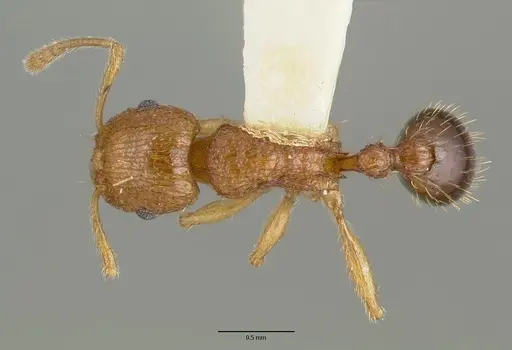
文献
分布マップを読み込み中...製品情報を読み込み中...