
Tetramorium africanum
- 学名
- Tetramorium africanum
- 族
- Crematogastrini
- 亜科
- Myrmicinae
- 命名者
- Mayr, 1866
- 分布
- 0 か国で発見
紹介
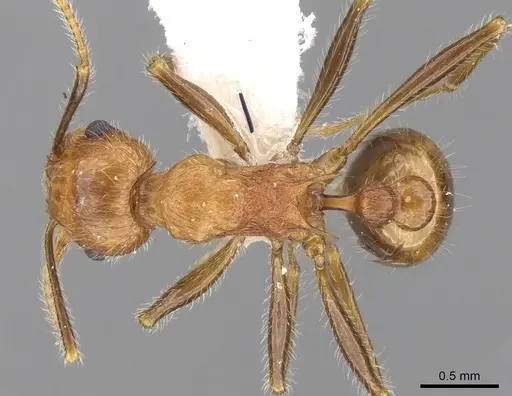
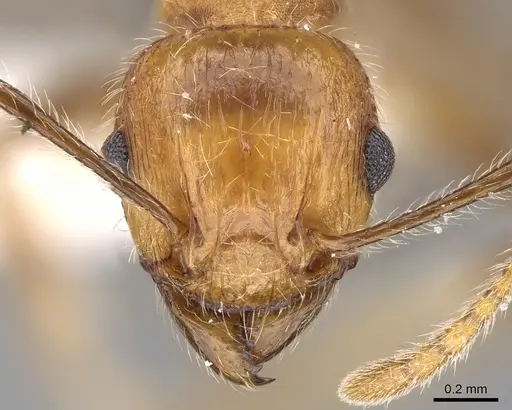
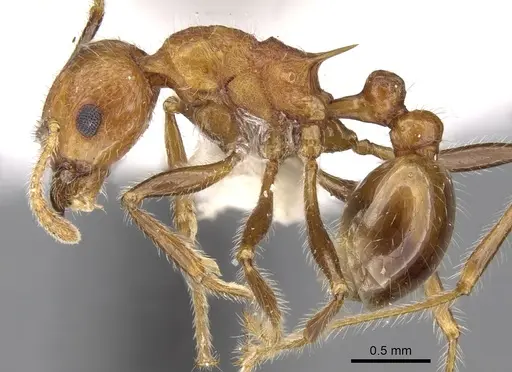
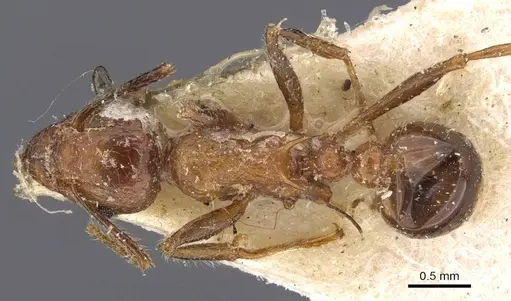
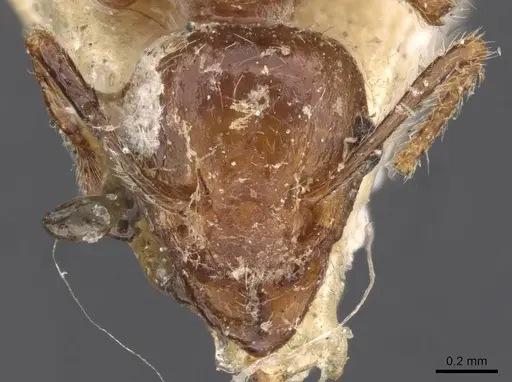
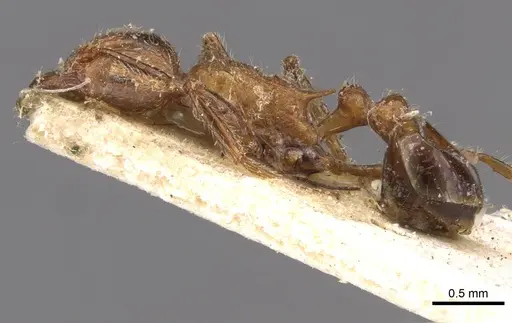
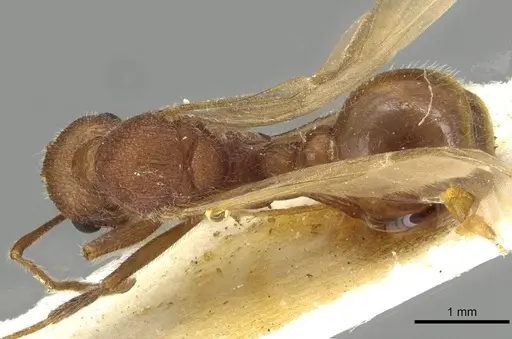
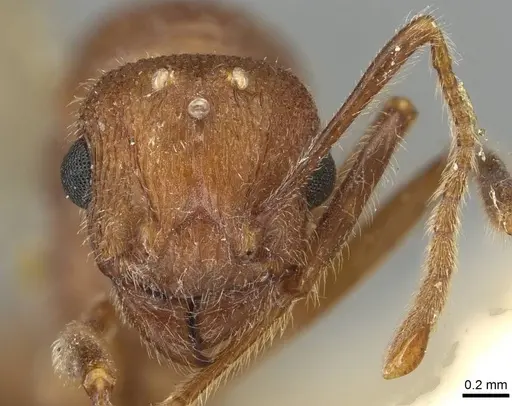
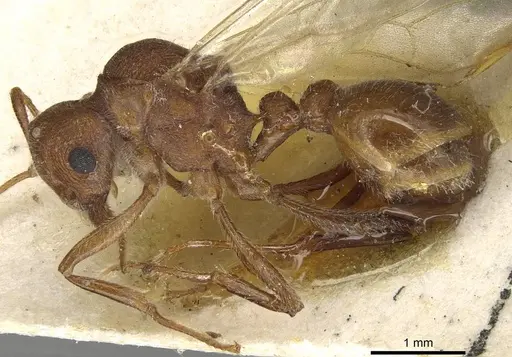
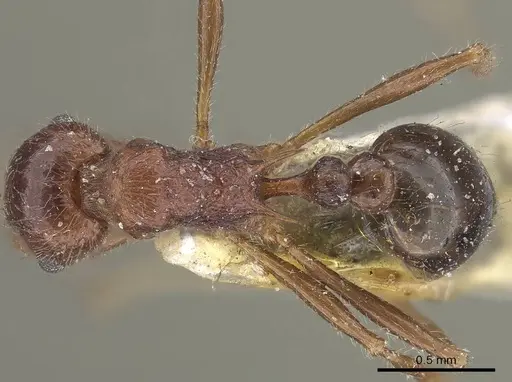
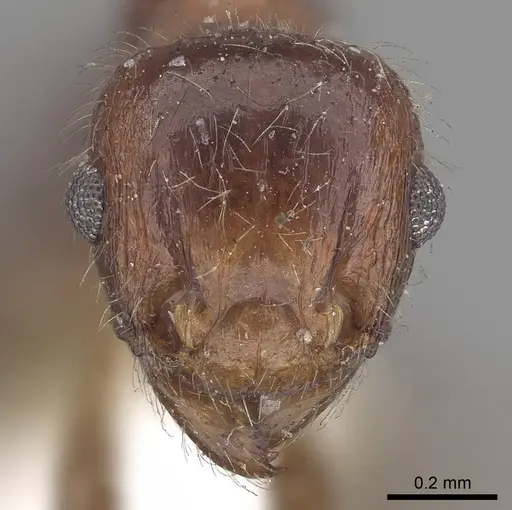
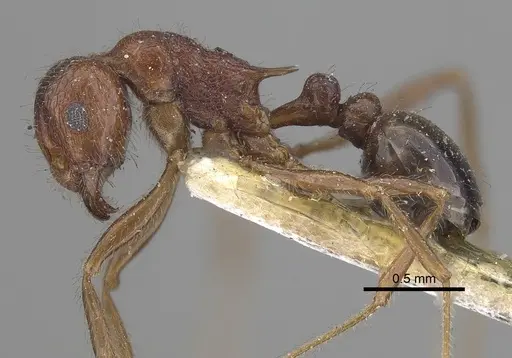
Tetramorium africanum is a small to medium-sized arboreal ant from the forests of West and Central Africa. Workers measure 3.7-4.7 mm in length, are light brown to mid-brown in color, and have long propodeal spines and a vestigial sting . It is widespread in countries like Ghana, Nigeria, and Democratic Republic of Congo, but is less common than its relative Tetramorium aculeatum . Unlike many ground-nesting Tetramorium, this species lives in trees, nesting in hollow branches or under bark.
Quick Summary
- Difficulty: Medium
- Origin & Habitat: West and Central African forests, arboreal, found in Ghana, Guinea, Nigeria, Equatorial Guinea, Democratic Republic of Congo [1][3]. Lives in elevated locations rather than on the ground.
- Colony Type: Unconfirmed, no published data on queen number. Based on typical Tetramorium patterns, likely single-queen (monogyne).
- Size & Growth:
- Queen: Unknown, queen size has not been described [2]
- Worker: 3.7-4.7 mm [1]
- Colony: Unknown, no colony size data published for this species
- Growth: Moderate, inferred from typical Tetramorium patterns
- Development: 6-10 weeks, estimated based on typical tropical Tetramorium species at 24-28°C (Development time is estimated as this species has not been specifically studied. Tropical forest species typically develop faster than temperate ones.)
- Antkeeping:
- Temperature: Keep at 24-28°C. These are tropical forest ants requiring warm, stable conditions. Avoid temperatures below 22°C or above 30°C. A gentle gradient from a heating cable on one side of the nest is beneficial.
- Humidity: High humidity, keep the nest substrate consistently damp but not waterlogged. Provide a water tube and avoid stagnant air.
- Diapause: No, as a tropical species, they do not require hibernation. Maintain consistent warmth year-round.
- Nesting: Arboreal species, naturally nests in trees. In captivity, provide a formicarium with vertical climbing space (e.g., cork bark, twigs) and horizontal chambers. Y-tong (AAC), plaster, or 3D-printed nests work well. Never use acrylic nests.
- Behavior: Workers are active foragers with a moderate temperament. They have a vestigial sting that they use to smear venom (a defense common to the Crematogastrini tribe). Research on their venom reveals complex peptides (Ta2a and Ta3a) that can cause pain in vertebrates [4][5]. Escape risk is moderate, their 4 mm size requires standard barrier precautions. They likely forage for small prey and tend honeydew-producing insects.
- Common Issues: tropical species requires consistent warmth, cold drafts or temperature drops can stress and kill colonies, arboreal nature needs high humidity, dry conditions cause desiccation and colony loss, venom contains active compounds, while the sting is vestigial, handling should be done with care, limited published care information, much of husbandry is inferred from related species and requires keeper experimentation, small workers can squeeze through tiny gaps, ensure tight-fitting lids and fluon barriers
Temperature
Tetramorium africanum requires warm, stable temperatures typical of tropical forest species. Keep the nest area between 24-28°C, avoiding both cold spots and excessive heat. A heating cable on one side of the nest can create a gentle temperature gradient, allowing workers to regulate their exposure. Room temperature within this range is acceptable, but monitor for cold drafts in winter. These ants do not enter diapause or hibernation, maintaining consistent warmth year-round is essential for colony health. Sudden temperature drops can stress the colony and slow or stop brood development entirely.
Humidity and Water
As an arboreal species from humid African forests, T. africanum requires high humidity. The nest substrate should remain consistently damp but never waterlogged, standing water in the nest can drown brood and kill queens. Provide a constant water source via test tube or cotton reservoir. Mist the outworld occasionally, but avoid over-misting as it can create mold problems. Good ventilation helps prevent stagnant air while maintaining humidity. The key is balance: damp enough to prevent desiccation, but with enough airflow to prevent mold growth.
Feeding and Diet
Like other Tetramorium species, T. africanum is likely omnivorous with a preference for protein-rich foods. Offer small insects (fruit flies, small mealworms, crickets) as a primary protein source. They will also accept sugar sources such as honey water or sugar water, especially if tending aphids or scale insects. In the wild, arboreal Tetramorium species forage for small prey and honeydew from tree-dwelling insects. Feed every 2-3 days, removing uneaten prey after 24 hours to prevent mold. Adjust feeding frequency based on colony size and appetite.
Nesting and Housing
This is an arboreal species, meaning they naturally nest in elevated locations such as tree hollows, under bark, or in woody debris. In captivity, provide a formicarium that accommodates their preference for horizontal chambers and elevated galleries. Y-tong (AAC), plaster, or 3D-printed nests all work well. The nest should have multiple chambers to allow the colony to organize itself (brood chambers, food storage, waste areas). Include a connected outworld for foraging. Because they are arboreal, they benefit from some vertical climbing space within the formicarium design. Never use acrylic nests. [1]
Venom and Defense
Tetramorium africanum belongs to the ant tribe Crematogastrini, whose members have a modified, flattened stinger used to smear venom onto enemies rather than piercing flesh. Their own sting is vestigial, reduced to a narrow strip dorsally [1], but they still produce potent venom. Studies on T. africanum venom have identified multiple peptides, including Ta2a and Ta3a [4][5]. Ta3a is a sodium channel modulator that can cause pain in vertebrates, while Ta2a is a neurotoxin for insects [4][5]. Although the sting is reduced, the venom can still cause irritation, so handle with care.
Behavior and Temperament
Workers are active foragers that spend much of their time patrolling the outworld. They are not notably aggressive toward keepers but will defend the nest if threatened. Their moderate size (3.7-4.7 mm) makes them easy to observe. As an arboreal species, they are comfortable climbing and may establish multiple nest sites within the formicarium. Standard escape prevention (fluon on rim edges, tight-fitting lids) is sufficient, they are not known as extreme escape artists. Nestmate recognition and trail marking are likely well-developed, as in other Tetramorium. [2][1]
Frequently Asked Questions
How long does it take for Tetramorium africanum to produce first workers?
The exact timeline is unconfirmed for this species, but based on typical Tetramorium development at tropical temperatures (24-28°C), expect first workers (nanitics) in approximately 6-10 weeks after the queen lays eggs. This is an estimate based on genus-level patterns.
Can I keep Tetramorium africanum in a test tube setup?
Yes, a standard test tube with a water reservoir and dark covering works well for founding colonies. Keep the tube at 24-28°C and humid. Once the colony is well-established (typically after several months), you can move it to a formicarium with multiple chambers and vertical climbing space.
Do Tetramorium africanum ants sting?
They have a vestigial sting appendage (reduced to a narrow strip dorsally) rather than a fully developed stinger [1]. However, they belong to a tribe that uses a smearing defense, and their venom contains compounds that can cause pain. Treat them as capable of delivering a mild sting if provoked, though they are not considered highly aggressive.
What temperature do Tetramorium africanum need?
Keep them at 24-28°C. These are tropical forest ants requiring warm, stable conditions year-round. They do not require hibernation or cooling periods. Avoid temperatures below 22°C or above 30°C.
Are Tetramorium africanum good for beginners?
This species is rated as Medium difficulty. While not the most challenging ant to keep, there is very limited published care information specific to T. africanum. Keepers should have some experience with tropical species and understand humidity management. If you are new to antkeeping, consider starting with a more documented species.
How big do Tetramorium africanum colonies get?
Colony size data is not published for this species. Based on related Tetramorium species, colonies likely reach several hundred workers over time. The growth rate is moderate, expect gradual expansion over months to years.
What do Tetramorium africanum eat?
Offer a varied diet including small live or frozen insects (fruit flies, small mealworms, crickets) as protein, and sugar sources (honey water, sugar water) for energy. They will likely accept most standard ant foods. Feed protein 2-3 times per week and provide constant access to sugar water.
Do Tetramorium africanum need hibernation?
No. As a tropical species from West and Central Africa, they do not require hibernation or winter cooling. Maintain consistent warm temperatures (24-28°C) year-round to support continuous colony development.
When should I move Tetramorium africanum to a formicarium?
Move from test tube to formicarium when the colony is well-established, typically several months after founding. The formicarium should have multiple chambers and vertical climbing options. There is no strict worker count, watch for signs that the colony is outgrowing the test tube.
Where is Tetramorium africanum found?
This species is native to West and Central Africa, specifically found in Ghana, Guinea, Nigeria, Equatorial Guinea, and the Democratic Republic of Congo [3][1]. It is an arboreal species living in forest environments, unlike ground-nesting Tetramorium.
Report an Issue
The current care sheet is based fully on literature. See inconsistencies, or something that's incorrect? Please , it will be resolved after review from an admin. Contributing to the blogs tab also helps providing information, to make us be able to further improve the caresheets. Thank you for your support!
References

この飼育シートのライセンスは: CC BY-SA 4.0 .
コミュニティブログ
文献
分布マップを読み込み中...製品情報を読み込み中...