
Temnothorax mimeuri
- 学名
- Temnothorax mimeuri
- 族
- Crematogastrini
- 亜科
- Myrmicinae
- 命名者
- Cagniant, 1997
- 分布
- 0 か国で発見
紹介
Temnothorax mimeuri is a tiny ant species native to Morocco, where it is endemic to the Mamora region . Workers measure just 2.3-2.5mm, making them one of the smaller Temnothorax species . They have relatively long spines and a compact, triangular petiole . The head is relatively broad with small eyes . This species was originally described as Leptothorax mimeuri in 1997 before being moved to Temnothorax by Bolton in 2003 . As a North African species from a Mediterranean climate, they likely prefer warmer, drier conditions than their temperate European relatives.
Quick Summary
- Difficulty: Medium
- Origin & Habitat: Endemic to Morocco, specifically the Mamora region near Rabat. Found in the Palaearctic zone [1][3]. Likely inhabits dry to semi-dry woodland or scrubland habitats typical of the Mamora forest area.
- Colony Type: Likely single-queen (monogyne) based on typical Temnothorax patterns, but unconfirmed. Ergatoid (wingless) replacement queens may be present as in many related species.
- Size & Growth:
- Queen: Unknown, estimated around 4-5mm based on genus patterns
- Worker: 2.3-2.5mm [2]
- Colony: Unknown, likely under 500 workers based on typical small colony size in related species
- Growth: Moderate, estimated based on genus patterns
- Development: Estimated 6-10 weeks at optimal temperature based on related Temnothorax species (Direct development data unavailable, estimate based on genus-level data for similar small Myrmicinae)
- Antkeeping:
- Temperature: Keep at 22-26°C, estimated. As a North African species, they likely prefer warmer conditions than temperate European Temnothorax. A gentle gradient allowing workers to self-regulate is ideal.
- Humidity: Moderate, keep the nest substrate slightly damp but not waterlogged. Provide a moist nest chamber and allow some drying between waterings. Avoid constant saturation.
- Diapause: Likely required, North African populations may benefit from a mild winter rest period (around 10-15°C for 2-3 months) to trigger proper reproductive cycles, though this is unconfirmed.
- Nesting: Y-tong (AAC) nests work well for their small size. They prefer tight chambers and narrow passages scaled to their tiny workers. Naturalistic setups with flat stones or small cavities may also be suitable.
- Behavior: Generally peaceful and non-aggressive. Workers are small but active foragers. Like other Crematogastrini, they use a smear defense, they have a modified flattened stinger to rub venom onto attackers rather than stinging. Due to their tiny size, escape prevention is critical, they can squeeze through standard test tube cotton if not properly sealed.
- Common Issues: escape prevention is critical due to tiny 2.3mm workers, use fine mesh and tight-fitting barriers, limited information means care is based on genus inference rather than species-specific studies, wild-caught colonies may harbor parasites not present in captive-bred stock, small colony size means slower population growth, patience required, cool temperatures can be fatal, maintain warmth as they are adapted to a warm Mediterranean climate
Housing and Nest Preferences
Temnothorax mimeuri requires housing scaled to their tiny 2.3mm workers. Y-tong (AAC) nests with narrow chambers work well, the tight passages likely match their natural nesting preferences in small cavities under stones or in rock crevices. Test tube setups can work but require careful attention to escape prevention due to their small size. The nest should have a water reservoir to maintain moderate humidity, but avoid oversaturation, these ants come from a relatively dry region of Morocco. Provide a small outworld connected to the nest for foraging. Flat stone naturalistic setups may also work well, mimicking their likely natural habitat.
Feeding and Diet
Like most Temnothorax species, Temnothorax mimeuri is an omnivore that accepts a variety of foods. Offer small live prey such as fruit flies, springtails, or tiny crickets, their small size limits what they can tackle. Sugar sources are readily accepted, offer diluted honey water or sugar water regularly. They will also consume small amounts of protein-rich foods like bloodworms or crushed insects. Feed small portions 2-3 times per week, removing uneaten food promptly to prevent mold. Fresh water should always be available.
Temperature and Seasonal Care
As a Moroccan endemic from the Mamora region, this species likely prefers warmer conditions than many European Temnothorax. Maintain temperatures between 22-26°C in the nest area, with a slight gradient allowing workers to self-regulate. Room temperature within this range is often suitable. A heating cable on one side of the nest can create the ideal gradient if needed. Winter care is uncertain, North African populations may not require deep hibernation, but a mild cool period at 10-15°C for 2-3 months during winter may help trigger reproductive cycles. Monitor colony activity and adjust accordingly.
Colony Structure and Growth
Temnothorax mimeuri likely forms single-queen colonies (monogyne) as is typical for the genus, but this is unconfirmed. Colonies probably remain relatively small, likely under 500 workers, given the tiny worker size [2]. Growth rate is moderate, expect 6-10 weeks from egg to first worker based on related species. The colony may produce ergatoid (wingless) replacement queens that can take over if the primary queen dies, a common trait in many Temnothorax.
Behavior and Temperament
These ants are peaceful and not particularly aggressive. Workers are active foragers but typically stay close to the nest. As members of the tribe Crematogastrini, they use a smear defense: they have a modified flattened stinger that rubs venom onto attackers rather than piercing. Due to their tiny 2.3mm size, the stinger is negligible to humans. The main concern is escape prevention: at just 2.3mm, they can squeeze through remarkably small gaps. Use fine mesh on any ventilation, seal all connections with fluon or similar barriers, and check for gaps regularly. They are not known for any unusual behaviors beyond typical Temnothorax foraging and colony organization.
Frequently Asked Questions
How long does it take for Temnothorax mimeuri to produce first workers?
Based on related Temnothorax species, expect 6-10 weeks from egg to first worker at optimal temperature (around 24°C). This is an estimate as species-specific development data is not available.
What size colony does Temnothorax mimeuri reach?
Based on their tiny 2.3mm worker size and typical genus patterns, colonies likely reach 200-500 workers. They are not large colony formers [2].
Do Temnothorax mimeuri ants sting?
They have a stinger but it is negligible due to their very small size (2.3mm). As Myrmicinae, they can sting, but the effect is minimal to humans. They primarily use a smear defense, rubbing venom onto attackers rather than stinging.
Can I keep Temnothorax mimeuri in a test tube?
Yes, test tubes work for founding colonies. However, escape prevention must be excellent due to their tiny 2.3mm size. Use fine mesh and check connections regularly [2].
What do Temnothorax mimeuri eat?
They accept small live prey (fruit flies, springtails), sugar water or honey, and small protein sources. Feed 2-3 times weekly with small portions.
Do Temnothorax mimeuri need hibernation?
Likely yes, as a North African species from Morocco, they probably benefit from a mild winter rest at 10-15°C for 2-3 months, though this is unconfirmed.
Are Temnothorax mimeuri good for beginners?
They are moderate difficulty. Their tiny size makes escape prevention critical, but otherwise they are relatively straightforward to keep. Limited species-specific information is the main challenge.
What temperature is ideal for Temnothorax mimeuri?
Keep nest area at 22-26°C. As a Moroccan species, they prefer warmer conditions than temperate European relatives. A gentle gradient is ideal.
Where is Temnothorax mimeuri found?
This species is endemic to Morocco, specifically the Mamora region near Rabat [1]. It has not been recorded elsewhere.
How big are Temnothorax mimeuri workers?
Workers are very small at 2.3-2.5mm [2]. This is among the smaller Temnothorax species.
Report an Issue
The current care sheet is based fully on literature. See inconsistencies, or something that's incorrect? Please , it will be resolved after review from an admin. Contributing to the blogs tab also helps providing information, to make us be able to further improve the caresheets. Thank you for your support!
References

この飼育シートのライセンスは: CC BY-SA 4.0 .
コミュニティブログ
CASENT0915392
AntWebで見る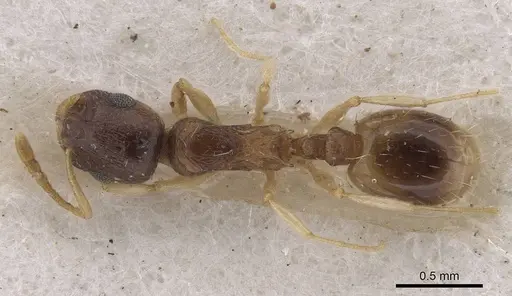
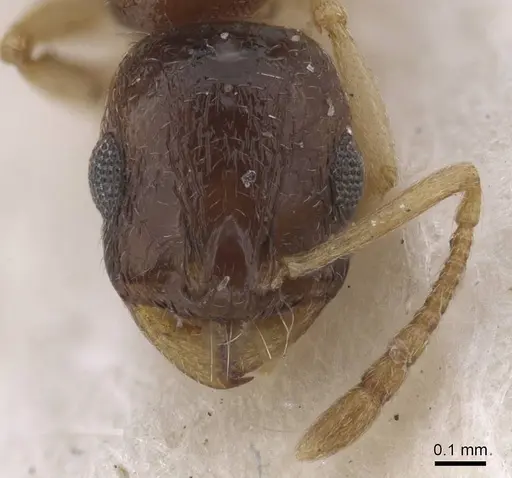
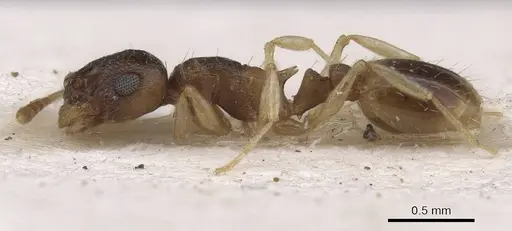
文献
分布マップを読み込み中...製品情報を読み込み中...