
Tapinoma albomaculatum
- 学名
- Tapinoma albomaculatum
- 族
- Tapinomini
- 亜科
- Dolichoderinae
- 命名者
- Karavaiev, 1926
- 分布
- 0 か国で発見
紹介
Tapinoma albomaculatum is a small Dolichoderinae ant species originally described from Sulawesi, Indonesia (formerly Celebes) . Workers are small and slender, with a dark body and distinctive white markings on the gaster that give the species its name ('albomaculatum' means white-spotted). The only known specimen is a damaged queen holotype collected in Makassar, Sulawesi in 1913 . Like all members of the subfamily Dolichoderinae, these ants lack a functional stinger and instead defend themselves by exuding a sticky, foul-smelling secretion from their anal gland. They are found in the Indomalaya region, specifically in tropical forest habitats where they likely nest under stones, in rotting wood, or in soil cavities . This species belongs to the Tapinoma genus, which is known for a distinctive defensive behavior: when threatened, workers raise their gasters high in the air while running, a posture that allows them to direct their anal gland secretions at predators. As a tropical species, they prefer warm, stable conditions. Because very little is known about their biology, most care advice is inferred from related Tapinoma species and general Dolichoderinae patterns.
Quick Summary
- Difficulty: Medium
- Origin & Habitat: Sulawesi, Indonesia (tropical island in the Indonesian archipelago). The species is recorded only from the type locality in Makassar [1]. It likely inhabits lowland tropical forests, nesting under stones, in rotting wood, or in soil cavities [2].
- Colony Type: Likely monogyne (single queen) based on typical Tapinoma genus patterns, but not confirmed by species-specific research.
- Size & Growth:
- Queen: Size data unavailable, the only known queen specimen is damaged. Based on related Tapinoma, queens likely range 5-7mm (estimated).
- Worker: No worker measurements recorded in available literature. Based on close relatives, workers probably range 2-4mm (estimated).
- Colony: Estimated several hundred workers at maturity, based on other Tapinoma species (e.g., Tapinoma melanocephalum). Not confirmed for this species.
- Growth: Moderate (estimated), tropical species may develop faster than temperate ants.
- Development: Estimated 5-8 weeks at optimal tropical temperatures (24-28°C), based on typical Dolichoderinae development rates. (Development likely varies with temperature. First workers (nanitics) will be smaller than mature workers.)
- Antkeeping:
- Temperature: Maintain warm tropical conditions, ideally 24-28°C. A slight temperature gradient allowing warmer and cooler areas is beneficial. Avoid prolonged temperatures below 22°C, as this tropical species has no cold tolerance.
- Humidity: High humidity is essential. Keep the nest substrate consistently moist but not waterlogged. Provide a water source (e.g., test tube with cotton) to maintain humidity. A naturalistic soil-based setup may help retain moisture.
- Diapause: No diapause required, as a tropical species from near the equator, it experiences consistent warm conditions year-round. Maintain warmth without seasonal cooling.
- Nesting: Prefers humid nest environments. Y-tong (AAC) blocks or plaster nests work well because they hold moisture. Alternatively, a naturalistic setup with moist soil and hiding structures (e.g., flat stones, bark) can be used. Test tubes with cotton can suffice for founding colonies if the test tube is placed in a humid enclosure.
- Behavior: Fast-moving and skittish workers. When disturbed, they raise their gaster and exude a sticky, foul-smelling secretion from the anal gland. They are not aggressive toward keepers but will flee quickly. Their small size and speed mean they can escape through tiny gaps if barriers are not secure. They are active foragers and will readily explore the outworld for food.
- Common Issues: tropical species is sensitive to temperature drops, keep warm year-round, small size means they can escape through standard barrier gaps, check for tiny gaps regularly, high humidity requirements can lead to mold if ventilation is poor, defensive secretion can be irritating if handled roughly, avoid disturbing the colony unnecessarily, wild-caught queens from Sulawesi may carry tropical parasites not adapted to captive conditions, and illegal collection should be avoided (no CITES or protected status known, but check local laws)
Housing and Nest Setup
For Tapinoma albomaculatum, you need a nest that maintains high humidity while providing dark, hidden chambers. Y-tong (AAC) blocks are a good choice because they hold moisture well. You can also use a naturalistic setup with moist soil and flat stones or pieces of bark for cover. Test tubes work for founding colonies, but place the test tube in a humid enclosure to prevent drying out. The outworld should be simple with easy access to food. Because these ants are small, make sure all connections between nest and outworld have openings large enough for workers to pass through but small enough to prevent escape. A small water source should always be available in the outworld.
Feeding and Diet
Like most Tapinoma species, Tapinoma albomaculatum is omnivorous with a preference for sugar sources. Offer a constant supply of sugar water (1:1 ratio) or diluted honey. They will also accept small protein sources such as fruit flies, small crickets, or mealworms. In the wild, they likely tend aphids or scale insects for honeydew, so providing a consistent sugar source is important for colony health. Feed protein 2-3 times per week. Remove uneaten food after 24-48 hours to prevent mold. Workers are active foragers and will readily find food placed in the outworld.
Temperature and Seasonal Care
As a tropical species, Tapinoma albomaculatum requires warm conditions year-round. Maintain temperatures between 24-28°C in the nest area. A heating cable or mat on one side of the nest can create a gentle gradient so the ants can choose their preferred temperature. Never let temperatures drop below 22°C for extended periods, this species has no cold tolerance and cool conditions will slow development and can weaken the colony. Unlike temperate ants, they do not require hibernation or any seasonal temperature changes. Room temperature in most homes is too cool, so monitor closely and provide supplemental heating if needed.
Behavior and Colony Dynamics
Tapinoma albomaculatum workers are fast and alert. When threatened, they raise their gaster while running, ready to exude a sticky, foul-smelling secretion from their anal gland. This is a characteristic defense of the Tapinoma genus. You may notice a faint chemical smell if the colony is disturbed. They are not aggressive and won't bite, but their speed and defensive secretions make them best observed rather than handled. Colony growth is moderate: expect first workers within 5-8 weeks under warm conditions, then gradual growth to an estimated several hundred workers over 2-3 years. Queens likely found colonies claustrally, sealing themselves in a chamber and raising the first brood on stored reserves.
Escape Prevention
While not the smallest ants, Tapinoma albomaculatum workers are small enough to exploit small gaps. Use standard ant keeping barriers: fluon on container rims, fine mesh on ventilation holes, and ensure any gaps in your setup are minimal. Check connections between nest modules and outworlds regularly. Because they are fast-moving, escapes can happen quickly if barriers fail. A moat of water or oil around the outworld can help, but fluon is usually sufficient if applied correctly. The key is vigilance, inspect your setup regularly for any potential openings.
Frequently Asked Questions
How long does it take for Tapinoma albomaculatum to produce first workers?
Based on typical Dolichoderinae development, expect first workers (nanitics) in approximately 5-8 weeks after the queen lays eggs, provided temperatures are kept warm at 25-28°C. This timeline is estimated, exact development depends on temperature and other factors.
Can I keep multiple queens together?
This is not recommended without further research. Based on typical Tapinoma genus behavior, this species likely forms single-queen (monogyne) colonies. Combining unrelated queens has not been documented for this species and would likely result in aggression. If you have multiple founding queens, house them separately.
What temperature do Tapinoma albomaculatum need?
Keep them warm at 24-28°C. This is a tropical species from Sulawesi, Indonesia, and does not tolerate cool temperatures. Never let the nest drop below 22°C. A heating cable on part of the nest can help maintain appropriate temperatures, but always provide a gradient so ants can choose their preferred warmth.
How big do Tapinoma albomaculatum colonies get?
Based on related Tapinoma species, colonies likely reach several hundred workers at maturity. Growth rate is moderate, expect 1-2 years to reach 50-100 workers with good care, and 2-3 years to reach full size. These are rough estimates, no colony size data exists for this species.
Do they need hibernation or diapause?
No, they do not require hibernation. As a tropical species from an equatorial region, they experience consistent warm conditions year-round. Maintain warm temperatures (24-28°C) throughout the year without seasonal cooling.
What do Tapinoma albomaculatum eat?
They are omnivorous with a preference for sugar. Provide constant access to sugar water (1:1 ratio) or diluted honey. For protein, offer small insects like fruit flies, pinhead crickets, or mealworms 2-3 times per week. They will readily forage for food in the outworld.
Are Tapinoma albomaculatum good for beginners?
They are of moderate difficulty. The main challenges are maintaining consistently warm temperatures and high humidity, both critical for this tropical species. If you can reliably provide these conditions, they are manageable. Their small size and fast movement require attentive escape prevention.
When should I move them to a formicarium?
Move them once the colony reaches around 30-50 workers. For founding colonies, keep them in a test tube setup within a humid environment. Once the colony is established and growing, you can connect them to a larger outworld or a formicarium with appropriate humidity control.
Why are my Tapinoma albomaculatum dying?
The most common causes are: temperature too low (below 22°C), humidity too low (desiccation), or poor nutrition. Check that your heating is adequate, the nest substrate is moist, and the colony has constant access to sugar and regular protein. Also look for escape issues: small ants can die outside the nest if they escaped and couldn't return. If problems persist, review your setup for mold or contamination.
Report an Issue
The current care sheet is based fully on literature. See inconsistencies, or something that's incorrect? Please , it will be resolved after review from an admin. Contributing to the blogs tab also helps providing information, to make us be able to further improve the caresheets. Thank you for your support!
References

この飼育シートのライセンスは: CC BY-SA 4.0 .
コミュニティブログ
CASENT0917130
AntWebで見る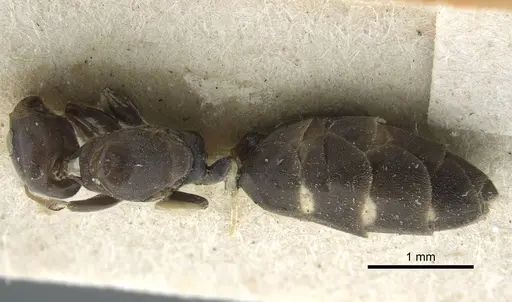
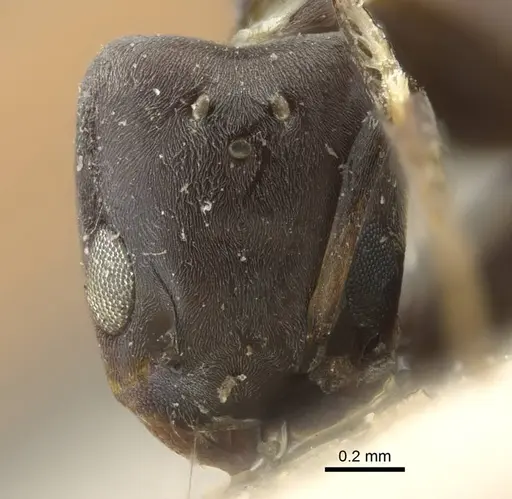
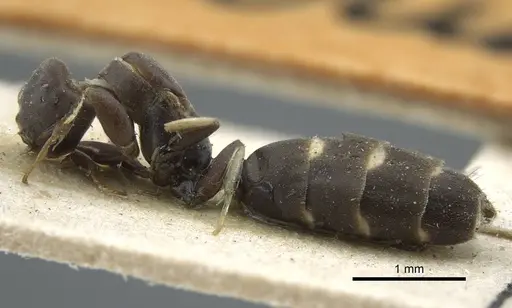
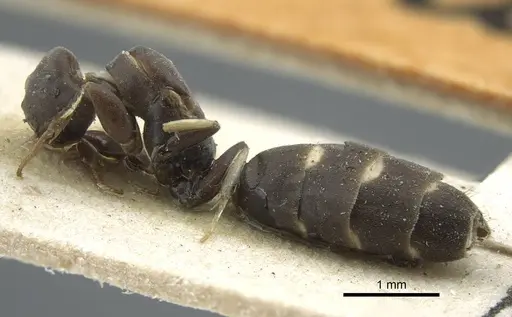
文献
分布マップを読み込み中...製品情報を読み込み中...