
Strumigenys nytaxis
- 学名
- Strumigenys nytaxis
- 族
- Attini
- 亜科
- Myrmicinae
- 命名者
- Bolton, 2000
- 分布
- 0 か国で発見
紹介
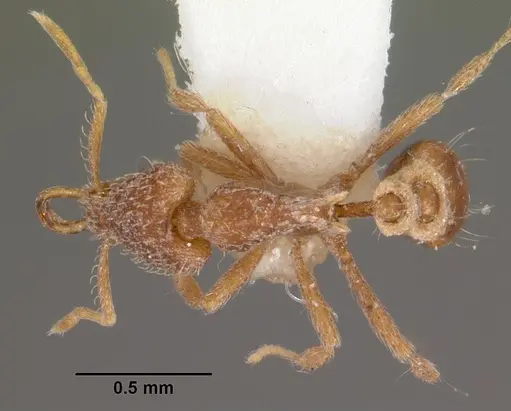
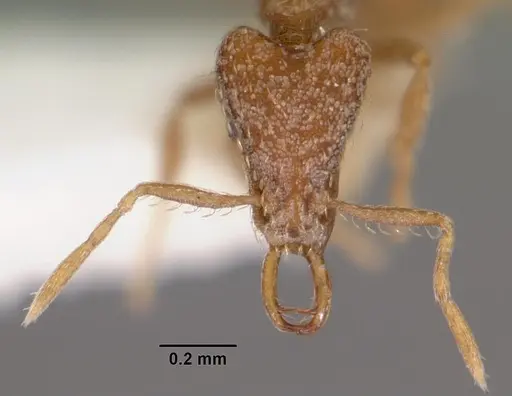
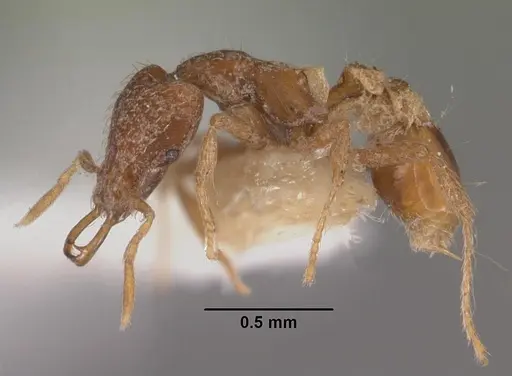
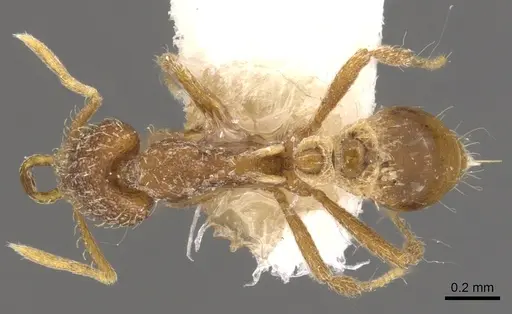
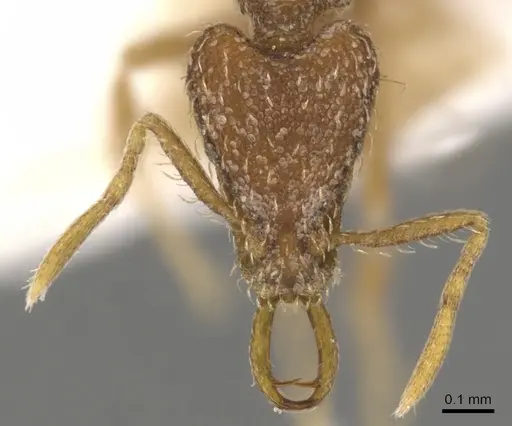
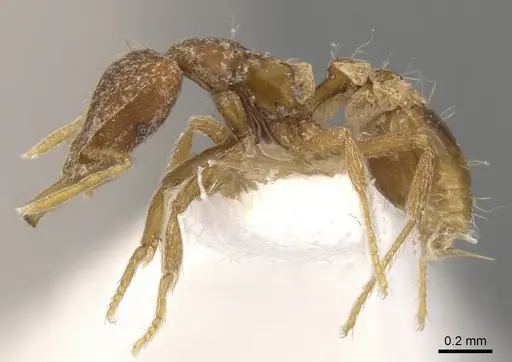
Strumigenys nytaxis is a tiny ant species from Thailand, first described in 2023 from Bueng Kan, Chanthaburi, and Phetchaburi provinces . They were collected from a rubber plantation at 176m elevation. Like many Strumigenys, they likely possess specialized trap-jaw mandibles used for hunting small prey. Worker size is estimated at around 2-3mm based on typical Strumigenys. Very little is known about their biology in the wild, making captive care largely experimental and challenging.
Quick Summary
- Difficulty: Hard
- Origin & Habitat: Thailand (Bueng Kan, Chanthaburi, Phetchaburi), low elevation (176 m), rubber plantation [1]
- Colony Type: Unconfirmed, no research data on colony structure
- Size & Growth:
- Queen: Size data unavailable, queens not described in available research
- Worker: ~2-3 mm (estimated from typical Strumigenys size)
- Colony: Unknown, no data on mature colony size
- Growth: Slow (inferred from typical small myrmicine ants)
- Development: Unknown, not documented, may be several months based on related Strumigenys species (Development is poorly understood, patience required.)
- Antkeeping:
- Temperature: Maintain tropical temperatures around 24-28°C, based on the low-elevation Thai habitat [1]
- Humidity: High humidity required, keep nest substrate moist but not waterlogged
- Diapause: No, tropical species, no diapause needed
- Nesting: Unknown natural nesting preferences. In captivity, provide a humid nest with small chambers (e.g., test tube setup or Y-tong nest).
- Behavior: Based on subfamily (Myrmicinae, tribe Attini), they possess a functional sting, but it is not medically significant to humans. Behavior is not well-documented, but they are presumed docile. Due to tiny size, secure containment is essential to prevent escapes.
- Common Issues: very limited knowledge of this species, captive care is largely experimental, tiny size means they can escape through small gaps, use fine mesh or barriers, feeding requirements are unknown, likely need live tiny prey, but specific diet not documented, slow growth and potential small colony size may test keeper patience
Housing and Nest Setup
Given the lack of natural history data, a humid setup is recommended. Test tubes with a water reservoir and cotton plug work well for unknown founding species, providing stable humidity. For established colonies, a nest with small chambers (e.g., Y-tong or plaster) that retains moisture is preferable. Avoid dry conditions, as this tropical species likely requires high humidity. The outworld should be sealed with fine mesh or fluon to prevent escapes. [1]
Feeding and Diet
Diet is not documented for this species. Many Strumigenys are specialized predators of tiny soil arthropods like springtails and booklice. In captivity, offer live, appropriately sized prey such as springtails, fruit flies, or small mites. Do not assume they accept sugar water, honey, or dead insects. A culture of springtails is strongly recommended to ensure a steady food supply. Feed small amounts every 2-3 days and adjust based on consumption.
Temperature and Care
Based on the tropical collection site at 176m elevation, maintain a temperature of 24-28°C [1]. Room temperature (20-24°C) may be too cool, consider using a heating cable or mat on one side of the nest to create a gradient. Avoid sudden temperature fluctuations. Since this is a tropical species, no hibernation is required, keep conditions stable year-round.
Behavior and Temperament
Strumigenys nytaxis belongs to a subfamily with a functional sting, but it is not considered medically significant. They are likely non-aggressive toward humans, but specific behavioral data is unavailable. Due to their minute size ( 2-3mm), they pose a high escape risk, any gap larger than 0.5mm may allow them to exit. Use fluon on barriers and ensure all connections are airtight.
Frequently Asked Questions
How long does it take for Strumigenys nytaxis to raise first workers?
No data is available. Based on related Strumigenys species, it may take several months. Patience is essential.
What do Strumigenys nytaxis eat?
Diet is unknown, but they are thought to be predators of tiny soil arthropods. Try offering live springtails, fruit flies, or mites. They are unlikely to accept sugar water or dead prey.
Can I keep Strumigenys nytaxis in a test tube?
Yes, a test tube with a water reservoir is a good starting point for an unknown species. Ensure the cotton is properly packed to prevent flooding.
Are Strumigenys nytaxis good for beginners?
No. This species is not recommended for beginners due to the lack of reliable care data and their specialized needs.
How big do Strumigenys nytaxis colonies get?
Colony size is unknown. Related Strumigenys species usually have small colonies, often under 200 workers.
Do Strumigenys nytaxis need hibernation?
No, they come from a tropical climate and do not require hibernation. Keep them warm year-round as described.
Why are my Strumigenys nytaxis dying?
Common causes may include insufficient humidity, inappropriate temperature, starvation (if prey is too large or not available), or escapes. Monitor conditions closely.
When should I move my colony to a formicarium?
When the colony has enough workers (at least 10-20) and has outgrown the test tube. Use a humid nest with small chambers.
Can I keep multiple Strumigenys nytaxis queens together?
Polygyny is not documented for this species. It is safest to keep only one queen per colony until more is known.
Report an Issue
The current care sheet is based fully on literature. See inconsistencies, or something that's incorrect? Please , it will be resolved after review from an admin. Contributing to the blogs tab also helps providing information, to make us be able to further improve the caresheets. Thank you for your support!
References

この飼育シートのライセンスは: CC BY-SA 4.0 .
コミュニティブログ
文献
分布マップを読み込み中...製品情報を読み込み中...