
Strumigenys asaphes
- 学名
- Strumigenys asaphes
- 族
- Attini
- 亜科
- Myrmicinae
- 命名者
- Bolton, 2000
- 分布
- 0 か国で発見
紹介
Strumigenys asaphes is a very small ant, with workers measuring about 2.0 mm in total length . They have a distinctive appearance: numerous fine standing hairs cover the head, thorax, and gaster, and the petiole and postpetiole have wide, transparent lateral lobes that give them an elegant silhouette under a microscope . This species belongs to the excisa group of Strumigenys and is known from only a handful of specimens, all collected from evergreen forest litter in Belize at around 1500 ft elevation . They have trap-jaw mandibles adapted for snapping shut on tiny prey like springtails. Because their eyes are very small (only 4-5 ommatidia), they rely mostly on chemical and tactile senses rather than vision .
Quick Summary
- Difficulty: Expert
- Origin & Habitat: Belize, Augustine,1500 ft elevation, in evergreen forest litter . Neotropical region.
- Colony Type: Presumably monogyne (single queen) based on typical Strumigenys patterns, but unconfirmed. No queen has been described.
- Size & Growth:
- Queen: Unknown, no queen specimen has been documented.
- Worker: 2.0 mm (total length).
- Colony: Not documented, likely small (dozens to low hundreds) based on related species.
- Growth: Slow (inferred from genus patterns).
- Development: Unknown, no specific data available. (Development timeline unstudied. Expect slow growth typical of Strumigenys.)
- Antkeeping:
- Temperature: Keep at 22-26°C. These are tropical forest ants from Belize. Avoid temperatures below 20°C or above 28°C.
- Humidity: High humidity is essential. Keep the nest substrate consistently moist but not waterlogged. Provide a hydration source like a water test tube.
- Diapause: No, being tropical, they do not require hibernation. Keep warm year-round.
- Nesting: Tiny tubes (test tubes with a small water reservoir) work well for founding. For larger colonies, Y-tong nests with very small chambers or naturalistic setups with fine, damp substrate (coco peat, fine soil) are suitable. High humidity and darkness are critical.
- Behavior: Strumigenys asaphes are shy, reclusive ants. They use their trap-jaw mandibles to hunt tiny prey like springtails. They possess a functional stinger (common to Myrmicinae) but it is tiny and harmless to humans. Escape prevention is critical: at 2 mm, they can squeeze through the smallest gaps. They prefer dim, quiet environments and become stressed by bright light or vibration.
- Common Issues: escape prevention is critical, they can fit through gaps invisible to the naked eye, refusing to eat, they are specialized predators and may only accept live springtails, slow growth tests patience, colonies develop very slowly and beginners may lose interest, stress from disturbance, these cryptic ants prefer dark, quiet environments, dying from dryness, they require consistently high humidity
Housing and Nest Setup
Start with a test tube setup: a small water reservoir, with the queen sealed in a dark corner. Because these ants are only 2 mm long, the tube diameter can be small (e.g.,10 mm). For larger colonies, Y-tong (AAC) nests with very narrow chambers or naturalistic setups using fine substrate like coconut coir work well. The key is maintaining high humidity and darkness.
Escape prevention is critical. Use fine mesh on ventilation holes, tightly sealed lids, and consider a Fluon barrier around the outworld. Place the nest in a quiet, dark area. These forest-dwelling ants will stress if exposed to bright light. [1]
Feeding and Diet
Strumigenys asaphes are specialized predators, not fungus growers. Despite being in the tribe Attini, they do not cultivate fungus. Their diet likely consists of springtails and other tiny soil arthropods (mites, booklice). They use their trap-jaw mandibles to snap shut on prey.
In captivity, you must provide live prey. Springtails (Collembola) are the ideal food. You can culture your own. Other small live prey like fruit flies (Drosophila) or pinhead crickets may be accepted, but success varies. Do NOT rely on sugar water or honey, these are strict predators. Some keepers report success with very small pieces of raw fish or insect parts, but live prey is always preferred.
Temperature and Humidity
As inhabitants of Belizean evergreen forest, these ants need warm, humid conditions. Aim for 22-26°C. In cooler rooms, a small heating cable may be needed. Avoid temperatures below 20°C or above 28°C.
Humidity is critical. Keep the nest substrate consistently moist, it should feel damp to the touch, but not waterlogged. A water test tube connected to the nest provides a constant humidity source. Mist the outworld occasionally. Dry conditions will kill them quickly.
Colony Development
Very little is known about colony development in this species. The queen has never been described, so founding behavior is unconfirmed. Based on other Strumigenys, the queen likely seal herself in (claustral founding) and raises the first workers on stored reserves. The first workers will be tiny.
Colony growth is slow. No development timeline data exist for this species. Once established, colonies likely remain modest (dozens to low hundreds of workers) based on genus patterns. Strumigenys colonies are long-lived. [1]
Behavior and Temperament
These are shy, reclusive ants. Workers are not aggressive toward humans. They possess a functional sting (typical of Myrmicinae), but it is tiny and harmless. Their trap-jaw mandibles are used only for hunting.
They are cryptic foragers, relying on chemical and tactile senses rather than vision, their eyes have only 4-5 ommatidia. They hunt primarily in dim or dark conditions. The colony will be most active when the setup is quiet and dark. To prevent escape, use extreme care: 2 mm ants can squeeze through any gap. [1]
Finding and Acquiring Colonies
Strumigenys asaphes is extremely rare in the hobby. It is known from only a few specimens collected in Belize. Wild-caught colonies are essentially unavailable. If you obtain a colony, it will likely come from a specialized breeder.
Given its rarity and specialized care, this species is absolutely not for beginners. Only experienced keepers with proven ability to provide high humidity, live springtails, and excellent escape prevention should attempt to keep it. [1]
Legal and Ethical Considerations
Before acquiring Strumigenys asaphes, check local laws regarding keeping non-native ants. Since it is native to Belize, do not release it outside its range. Ensure any colony you obtain was collected legally and ethically. Given its rarity, every individual is valuable, support only reputable sources.
Frequently Asked Questions
How long does it take for Strumigenys asaphes to get first workers?
Unknown. No development data exists for this species. Based on related Strumigenys, it likely takes several weeks to months, but this is only an estimate.
What do Strumigenys asaphes eat?
They are specialized predators of live springtails and other tiny soil arthropods. They will not accept sugar water, honey, or dead insects. You must provide live prey.
Can I keep Strumigenys asaphes in a test tube?
Yes. A standard test tube with a water reservoir works well, especially for a founding colony. Ensure darkness and high humidity, and use excellent escape prevention.
Are Strumigenys asaphes good for beginners?
No. This is an expert-level species due to its tiny size, specialized live-prey diet, high humidity needs, extremely slow growth, and high escape risk. They are also very rare in the hobby.
How big do Strumigenys asaphes colonies get?
Not documented. Based on related species, colonies likely reach only a few hundred workers at most.
Do Strumigenys asaphes need hibernation?
No, being from tropical Belize, they do not require diapause. Keep them warm year-round at 22-26°C.
Why are my Strumigenys asaphes dying?
Common causes: dry conditions, lack of live prey, stress from light or vibration, or temperatures outside 22-26°C. Check each factor. Also ensure the enclosure is escape-proof, they may have gotten out without you noticing.
When should I move Strumigenys asaphes to a formicarium?
Only move them when the colony has outgrown the test tube (likely 30+ workers). Use a Y-tong nest with very small chambers or a naturalistic setup with fine, damp substrate.
Can I keep multiple queens together?
Social structure is unknown. Most Strumigenys are monogyne, so it is not recommended to keep multiple queens together until confirmed otherwise.
What is the best nest type for Strumigenys asaphes?
Test tubes for founding, then Y-tong or naturalistic nests with very small chambers that maintain high humidity. Avoid acrylic nests.
Why won't my Strumigenys asaphes eat?
They only eat live springtails and similar tiny prey. Ensure you offer live food, and that the setup is dark, quiet, and humid.
Report an Issue
The current care sheet is based fully on literature. See inconsistencies, or something that's incorrect? Please , it will be resolved after review from an admin. Contributing to the blogs tab also helps providing information, to make us be able to further improve the caresheets. Thank you for your support!
References

この飼育シートのライセンスは: CC BY-SA 4.0 .
コミュニティブログ
CASENT0900211
AntWebで見る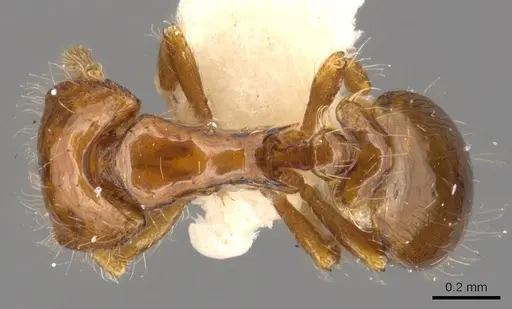
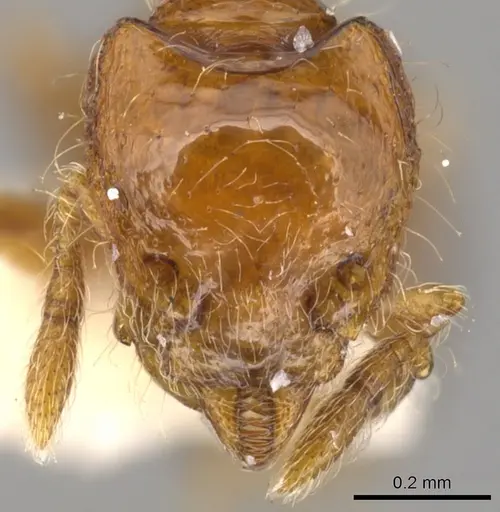
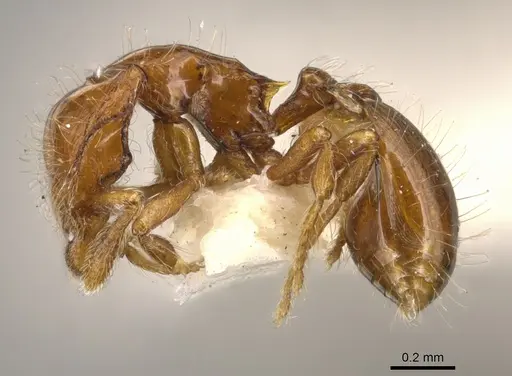
文献
分布マップを読み込み中...製品情報を読み込み中...