
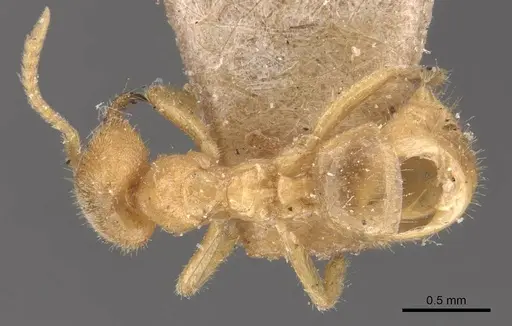
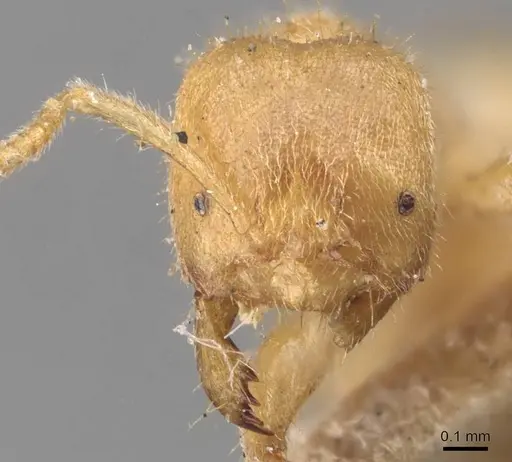
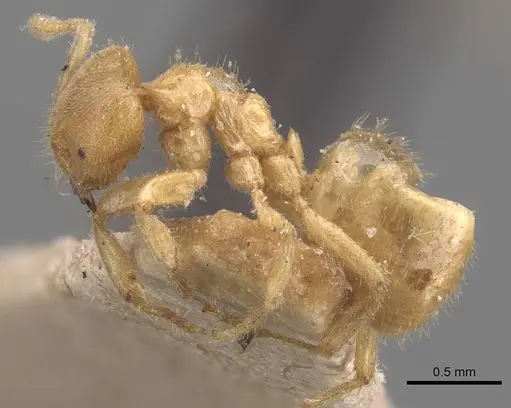
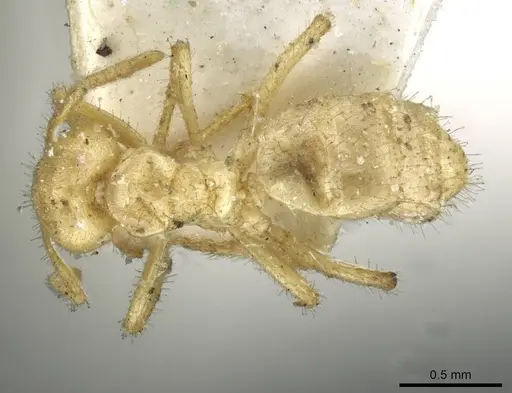
Pseudolasius risii
- 学名
- Pseudolasius risii
- 族
- Lasiini
- 亜科
- Formicinae
- 命名者
- Forel, 1894
- 分布
- 0 か国で発見
紹介
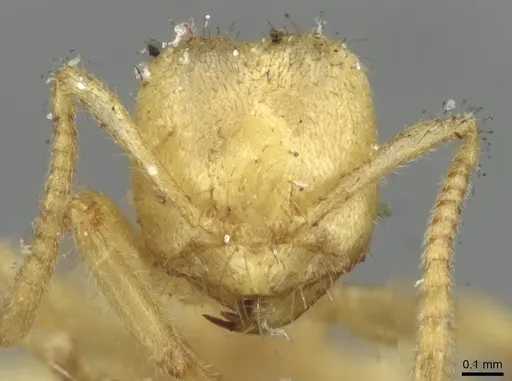
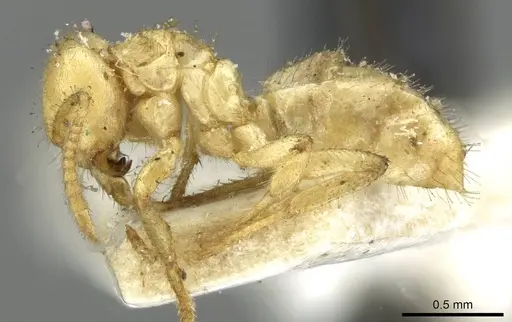
Pseudolasius risii is an ant species from the subfamily Formicinae, originally described from Hong Kong, China . It has been recorded in southern China, with a first confirmed occurrence in Macao in 2021,collected from leaf litter samples . This species lives in leaf litter and on the forest floor in subtropical environments . Biology and captive care data are undeveloped, making this a poorly understood ant.
Quick Summary
- Difficulty: Medium
- Origin & Habitat: Southern China (Hong Kong, Macao) and surrounding regions. They live in leaf litter and forest floor environments in subtropical climates [2][1].
- Colony Type: Colony structure is unconfirmed. The species has been collected from leaf litter samples, suggesting ground-nesting behavior.
- Size & Growth:
- Queen: size data unavailable
- Worker: size data unavailable
- Colony: Unknown, no colony size data available
- Growth: Unknown
- Development: Unknown, based on related Formicinae species, expect 6-10 weeks at warm temperatures (estimated). (Development timeline is unconfirmed. Related Lasius species typically take 6-8 weeks from egg to worker at optimal temperatures.)
- Antkeeping:
- Temperature: Keep at 22-26°C (estimated from subtropical origin). A slight gradient allowing workers to self-regulate is beneficial. Avoid temperatures below 18°C for extended periods.
- Humidity: Keep the nest substrate consistently moist but not waterlogged. Their leaf litter habitat [2] indicates a preference for damp conditions. Mist the outworld regularly or use a water reservoir.
- Diapause: Unknown, likely not required due to subtropical origin. Activity may slow in cooler months, but true hibernation is unlikely.
- Nesting: Natural nesting occurs in leaf litter and soil [2]. In captivity, a naturalistic setup with moist substrate and Y-tong/plaster nests works well. Provide chambers scaled to their size.
- Behavior: Behavior is not well-documented. Based on their leaf litter habitat [2], they are likely non-aggressive and timid. Escape prevention should be adequate for their size, ensure enclosures have tight-fitting lids as standard practice.
- Common Issues: limited availability, this species is rarely available in the antkeeping hobby., no established care protocols, keepers will need to experiment with conditions., growth rate is unknown, making colony development planning difficult., humidity management is critical, dry conditions can quickly kill the colony., lack of captive breeding means most colonies are wild-caught.
Natural History and Distribution
Pseudolasius risii was originally described by Forel in 1894 from specimens collected in Hong Kong, China [1]. The species has since been documented across southern China, with a first recorded occurrence in Macao reported in 2021 [2]. This represents a relatively limited distribution compared to some other ant species. The 2021 record in Macao was obtained through leaf litter extraction, a method that involves collecting leaf litter from forest floors and extracting ants using specialized funnels [2]. This indicates that Pseudolasius risii is a litter-dwelling species that lives in moist, decomposing organic material on the forest floor [2]. The subtropical climate of their range (Hong Kong and southern China) features warm temperatures year-round and high humidity, conditions that should be replicated in captivity.
Housing and Nest Setup
Based on their leaf litter habitat [2], Pseudolasius risii should be kept in setups that provide moist substrate and hiding spaces. A naturalistic terrarium-style setup with a layer of moist soil or coco fiber works well, decorated with leaf litter, moss, and small pieces of bark for cover. Alternatively, a Y-tong nest with moist plaster or soil chambers can work, provided humidity is maintained. The key is preventing the substrate from drying out completely, these ants are adapted to the consistently damp forest floor. A water reservoir or misting system helps maintain humidity. Because this species is rarely kept, start with conditions typical for subtropical ants and adjust based on colony behavior.
Feeding and Diet
Specific dietary preferences for Pseudolasius risii have not been documented. As a Formicinae species, they likely have a typical ant diet: honeydew or sugar sources from aphids, and small protein sources like insects. Offer sugar water or honey water as a constant carbohydrate source. For protein, small insects like fruit flies, small mealworms, or cricket pieces work well. Feed protein 2-3 times per week, removing any uneaten prey after 24 hours. Fresh water should always be available. Because this species is not well-studied in captivity, be prepared to experiment with food acceptance.
Temperature and Seasonal Care
Maintain temperatures between 22-26°C, reflecting their subtropical Hong Kong/Macao origin [1]. Room temperature in most homes (20-24°C) should be suitable, but a small heating cable on one side of the nest can provide a gradient if needed. Avoid temperatures below 18°C for extended periods. Unlike temperate species, they likely do not require a true hibernation period. Activity may slow during cooler months, but this is normal seasonal variation rather than deep diapause. Monitor colony behavior, if workers become sluggish, a slight temperature increase may help.
Challenges and Considerations
The primary challenge with Pseudolasius risii is the lack of captive breeding in the hobby. Most colonies available are likely wild-caught, which carries risks including parasites, disease, and stress from collection and transport. Quarantine new colonies and monitor for signs of illness. Additionally, because this species is rarely kept, there are no established care protocols, keepers may need to experiment to find optimal conditions. Start with standard subtropical ant care and adjust based on colony health and activity levels. Patience is essential, as growth rates are unknown and may be slow.
Frequently Asked Questions
How long does it take for Pseudolasius risii to produce first workers?
The egg-to-worker development time is unknown for this species. Based on related Formicinae ants, expect 6-10 weeks at optimal warm temperatures (estimated). However, actual development may be faster or slower.
What do Pseudolasius risii ants eat?
They likely accept standard ant foods: sugar water or honey for carbohydrates, and small insects like fruit flies or mealworms for protein. Specific acceptance is unconfirmed due to limited captive keeping history.
Can I keep Pseudolasius risii in a test tube setup?
A test tube setup can work for founding colonies, but their leaf litter habitat [2] suggests they prefer more space and substrate. Consider transitioning to a naturalistic setup once the colony grows beyond 20-30 workers.
Are Pseudolasius risii good for beginners?
This species is not ideal for beginners due to limited availability, unknown care requirements, and likely slow growth. Experienced antkeepers interested in unusual species may find them more suitable.
Do Pseudolasius risii need hibernation?
Hibernation is unlikely required. As a subtropical species from Hong Kong and Macao [1], they experience mild winters rather than cold periods. Reduced activity in cooler months is normal.
How big do Pseudolasius risii colonies get?
Colony size is unknown. Based on related Lasius species, colonies may reach several hundred to a few thousand workers over several years (estimated).
Why is my Pseudolasius risii colony dying?
Common causes include: too dry conditions (they need consistent moisture [2]), temperature stress (too cold or too hot), poor nutrition, or stress from wild capture. Review humidity, temperature, and food offerings.
Can I keep multiple Pseudolasius risii queens together?
Colony structure is unconfirmed. Combining unrelated queens is not recommended due to lack of data on their social structure.
What temperature is best for Pseudolasius risii?
Aim for 22-26°C, based on their subtropical origin [1]. Room temperature is often suitable.
Report an Issue
The current care sheet is based fully on literature. See inconsistencies, or something that's incorrect? Please , it will be resolved after review from an admin. Contributing to the blogs tab also helps providing information, to make us be able to further improve the caresheets. Thank you for your support!
References

この飼育シートのライセンスは: CC BY-SA 4.0 .
コミュニティブログ
文献
分布マップを読み込み中...製品情報を読み込み中...