
Pseudolasius badius
- 学名
- Pseudolasius badius
- 族
- Lasiini
- 亜科
- Formicinae
- 命名者
- Viehmeyer, 1916
- 分布
- 0 か国で発見
紹介
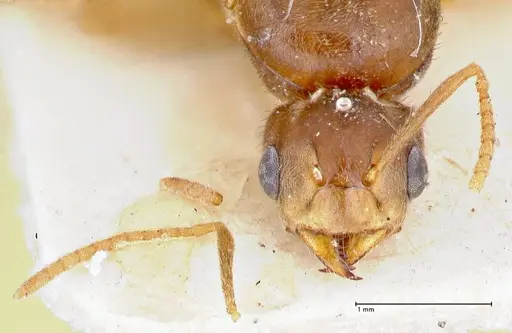
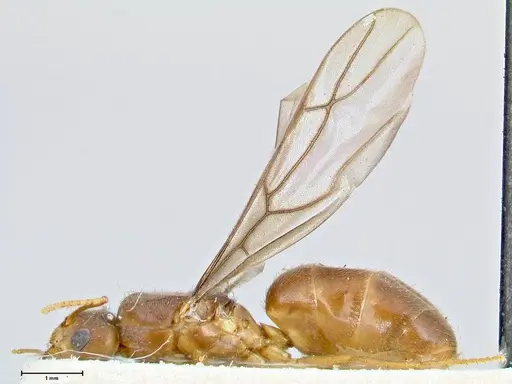
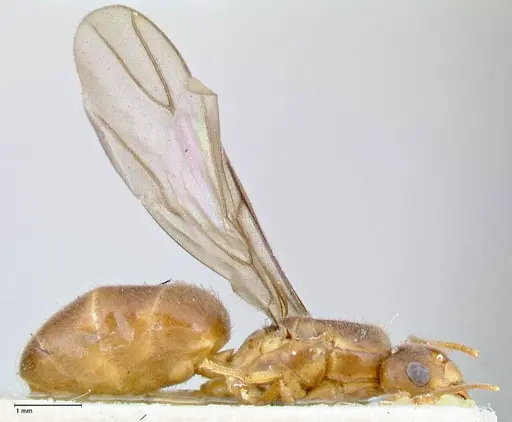
Pseudolasius badius is a small to medium-sized ant species native to Singapore . Workers are typically yellowish to light brown in color. As a member of the Formicinae subfamily, they lack a functional stinger and defend themselves by spraying formic acid. The species was first described by Viehmeyer in 1916 from a queen collected in Singapore . This species is notable for being attracted to artificial light sources, with historical records of specimens caught at lamps . This suggests nocturnal or crepuscular foraging behavior. Very little is known about the natural history of this species; most records come from early 20th-century surveys.
Quick Summary
- Difficulty: Medium
- Origin & Habitat: Singapore (Indomalaya Region) – tropical rainforest environment with consistently high humidity [1]
- Colony Type: Unconfirmed – based on patterns in the Lasiini tribe, likely single-queen (monogyne) colonies, but no specific data exists for this species
- Size & Growth:
- Queen: Size data unavailable – inferred from Pseudolasius genus (~6–7 mm, but unconfirmed)
- Worker: Size data unavailable – inferred from Pseudolasius genus (~3–5 mm, but unconfirmed)
- Colony: Unknown – likely several hundred workers based on related Pseudolasius species, but unconfirmed
- Growth: Moderate – estimated based on tropical Formicinae patterns (no species-specific data)
- Development: Estimated 6–8 weeks at 24–28°C based on similar Lasiini species (specific data unavailable) (Development time is inferred – no direct observations recorded)
- Antkeeping:
- Temperature: Keep at 24–28°C year-round – being a tropical species from Singapore, they require stable warm conditions [1]
- Humidity: Maintain high humidity (substrate damp but not waterlogged) – mimic the moist tropical forest floor environment of Singapore [1]
- Diapause: No – tropical species, no winter rest needed
- Nesting: Prefers humid setups: Y-tong (AAC) or plaster nests with moisture retention. Likely nests in soil or decaying wood in nature – provide a compact, moist nesting space.
- Behavior: Generally peaceful and non-aggressive. Workers are small and fast-moving. They may spray formic acid when threatened but pose no serious danger to keepers. Their small size (workers ~3–5 mm) means escape prevention is critical – use fine mesh barriers. Nocturnal/crepuscular activity suggested by light attraction [2][3].
- Common Issues: tropical species requires year-round heating – room temperature may be insufficient in cooler climates, high humidity needs can lead to mold issues if ventilation is poor, small worker size makes escape prevention critical – standard barriers may not suffice, limited scientific data means care requirements are largely inferred from genus patterns, wild–caught colonies may have parasites or diseases that can wipe out captive colonies
Housing and Nest Setup
Pseudolasius badius needs a warm, humid environment that replicates its native Singapore habitat. A Y-tong (AAC) nest works well because it retains moisture while letting you monitor the colony. Alternatively, a naturalistic setup with moist soil substrate can mimic their likely natural nesting conditions. The nest should maintain high humidity – keep the substrate damp but not waterlogged. Connect a water reservoir to maintain moisture. Since workers are small, use fine mesh on all outworld connections and barriers to prevent escapes. [1]
Feeding and Diet
Like other Lasiini, Pseudolasius badius likely has a mixed diet. Offer a constant carbohydrate source (sugar water, honey, or diluted maple syrup). Provide protein from small insects such as fruit flies, pinhead crickets, or small mealworms. In nature, they probably tend aphids or scale insects for honeydew. Feed protein 2–3 times per week, remove uneaten prey after 24–48 hours to prevent mold in the humid setup.
Temperature and Seasonal Care
As a tropical species from Singapore, Pseudolasius badius requires warm temperatures year-round. Keep the nest at 24–28°C for normal activity and brood development [1]. A small heating cable or mat on one side can create a gentle temperature gradient. No diapause is needed – they remain active all year. Avoid temperatures below 22°C for extended periods, as this may slow colony growth. Room temperature in heated homes often suffices, but monitor with a thermometer.
Behavior and Handling
Pseudolasius badius workers are small, fast, and generally peaceful. When threatened, they may spray formic acid – harmless to humans in small amounts but avoid eyes. They rarely bite. Their attraction to light [2][3] suggests they are active in the evening, observe at different times to understand their rhythms. Their small size means they can squeeze through tiny gaps – use fluon or fine mesh on all openings.
Colony Growth Expectations
Starting from a single queen, first workers (nanitics) likely emerge after about 6–8 weeks at optimal temperature (based on similar Lasiini species). These first workers will be smaller than mature ones. Colony growth is moderate – expect 50–100 workers within the first year under good conditions. Maximum colony size is unknown but likely several hundred workers (inferred from related species). Growth depends heavily on temperature, feeding, and humidity.
Frequently Asked Questions
How long does it take for Pseudolasius badius to raise first workers?
At optimal temperatures (24–28°C), expect first workers in about 6–8 weeks after the queen lays eggs. This is estimated from related Lasiini species – specific data for this species is not available.
Do Pseudolasius badius ants need hibernation?
No – they are a tropical species from Singapore and do not require hibernation. Keep them warm year-round at 24–28°C [1].
Can I keep multiple Pseudolasius badius queens together?
Not recommended – this species has not been documented to accept multiple queens. Based on typical Lasiini behavior, they likely form single-queen colonies. House foundresses separately.
What do Pseudolasius badius ants eat?
They likely eat a mixed diet similar to other Lasiini. Offer constant carbohydrates (sugar water, honey, maple syrup) and protein from small insects like fruit flies, pinhead crickets, or small mealworms.
Are Pseudolasius badius ants dangerous?
No – they are harmless to humans. As Formicinae, they lack a functional stinger but may spray formic acid, which causes only minor irritation.
What temperature do Pseudolasius badius need?
Keep them at 24–28°C year-round. This tropical species requires stable warmth – room temperature in heated homes often works, but always monitor with a thermometer [1].
How big do Pseudolasius badius colonies get?
The maximum colony size is unknown for this species, but based on related Pseudolasius species, colonies likely reach several hundred workers.
Why are my Pseudolasius badius dying?
Common causes: temperatures below 22°C, low humidity, mold from over-wetting, or escape through small gaps. Wild-caught colonies may also carry parasites. Verify temperature, humidity, and barrier security.
Are Pseudolasius badius good for beginners?
They are rated medium difficulty. They need warm, humid conditions year-round. Beginners must be prepared to maintain tropical conditions and prevent escapes of these small ants.
When should I move Pseudolasius badius to a formicarium?
Move them when the test tube becomes crowded – typically when the colony reaches 30–50 workers. Make sure the new setup can maintain the high humidity they need.
Report an Issue
The current care sheet is based fully on literature. See inconsistencies, or something that's incorrect? Please , it will be resolved after review from an admin. Contributing to the blogs tab also helps providing information, to make us be able to further improve the caresheets. Thank you for your support!
References

この飼育シートのライセンスは: CC BY-SA 4.0 .
コミュニティブログ
FOCOL2677
AntWebで見る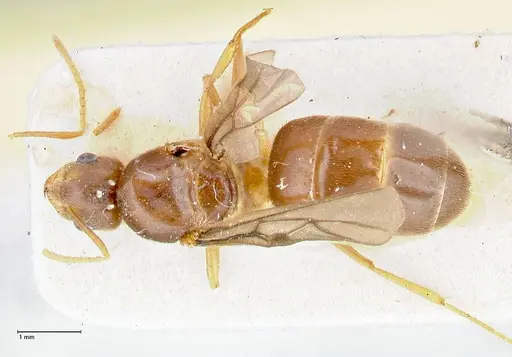
文献
分布マップを読み込み中...製品情報を読み込み中...