
Proformica caucasea
- 学名
- Proformica caucasea
- 族
- Formicini
- 亜科
- Formicinae
- 命名者
- Santschi, 1925
- 分布
- 0 か国で発見
紹介
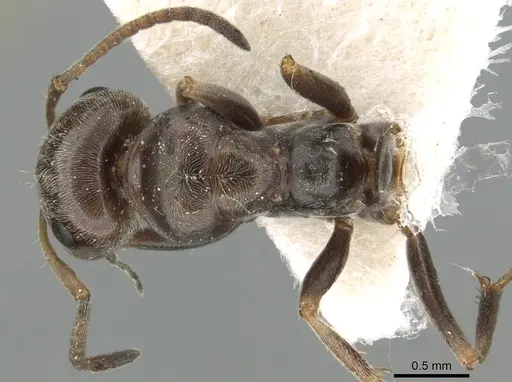
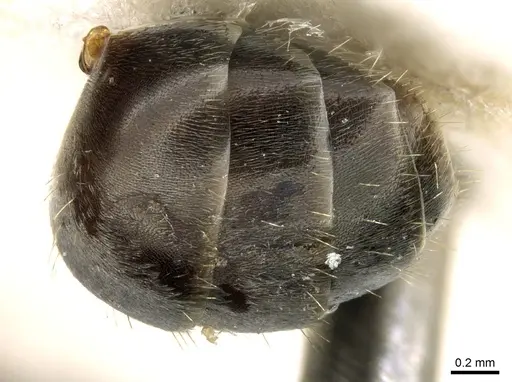
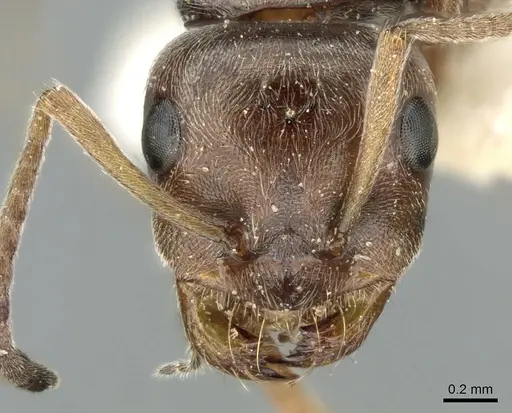
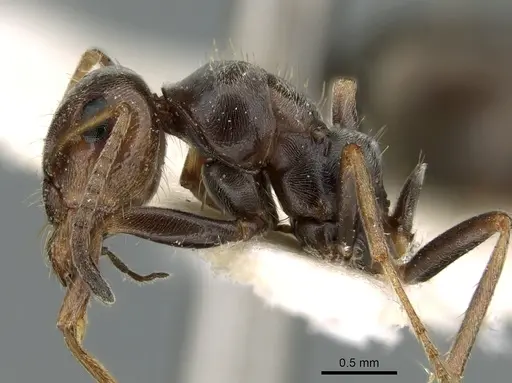
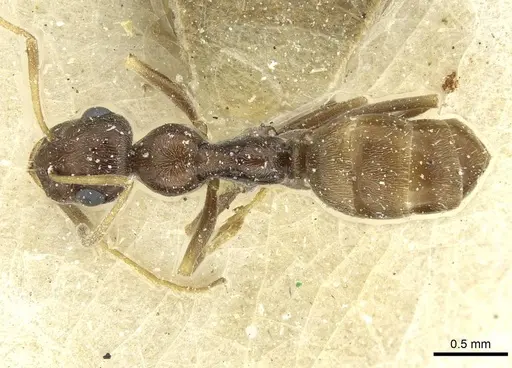
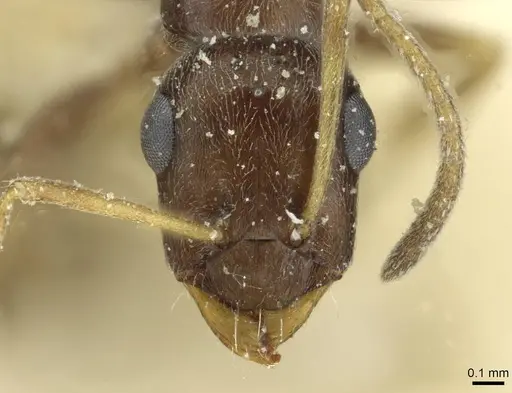
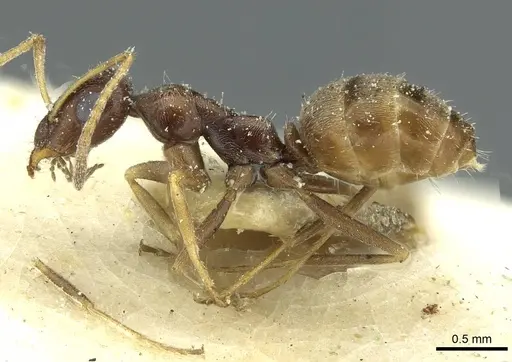
Proformica caucasea is a small to medium-sized ant species native to the Caucasus region, specifically found in Georgia around the Tbilisi area at altitudes between 350-800 meters . Workers belong to the Formicinae subfamily, related to common genera like Formica and Polyergus. The species was first described by Santschi in 1925 from the Caucasus region . Size data is unavailable as no body measurements are provided in the research. This species has limited scientific documentation, with most information coming from distribution records. Based on its mountainous habitat, it likely adapts to cooler temperatures and seasonal changes typical of the Caucasus region.
Quick Summary
- Difficulty: Hard
- Origin & Habitat: Georgia (Caucasus region), specifically the Tbilisi area at 350-800m altitude [1][2]. Found in mountainous terrain with temperate climate.
- Colony Type: Unconfirmed colony structure. Based on Formicinae patterns, likely single-queen colonies, but not documented.
- Size & Growth:
- Queen: size data unavailable
- Worker: size data unavailable
- Colony: Unknown, no colony size data available
- Growth: Unknown
- Development: Unknown, no development data available. Based on related Formicinae species, estimate 6-10 weeks at optimal temperature. (Development timeline is unconfirmed. Related Formica species typically take 6-8 weeks from egg to worker at warm temperatures.)
- Antkeeping:
- Temperature: Based on altitude (350-800m) in Caucasus, aim for room temperature around 18-22°C with a gradient [1]. Adjust based on colony activity.
- Humidity: Provide a humidity gradient, keep nest substrate consistently moist but not waterlogged [3].
- Diapause: Based on geographic range in temperate Caucasus, likely requires winter dormancy. Keep at 5-10°C for 2-3 months during winter [1].
- Nesting: Based on altitude and terrain, likely nests under stones or in soil. In captivity, use test tube setups or Y-tong nests for humidity control [1].
- Behavior: Based on Formicinae patterns, typically non-aggressive with moderate foraging activity. Escape risk is moderate, use barriers like Fluon. Defense mechanism is formic acid spray, as typical for Formicinae.
- Common Issues: limited documentation makes care requirements uncertain, be prepared to experiment, winter dormancy requirements are inferred but not confirmed, monitor colony response, growth rate is unknown so patience may be needed, wild-caught colonies may have parasites given limited captive breeding, escape prevention should still be used despite unknown behavior
Nest Preferences and Housing
The natural nesting behavior of Proformica caucasea has not been documented in scientific literature. Based on the type locality in the Caucasus mountains at 350-800m altitude, these ants likely nest in shaded, cooler locations under stones or in soil [1]. The mountainous terrain suggests they prefer protected microhabitats away from direct sunlight and extreme heat.
For captive care, standard test tube setups work well for founding colonies and small groups. As the colony grows, a Y-tong nest or plaster nest provides appropriate humidity control. Like most Formicinae, they do well with moderate humidity and should have access to both moist and slightly drier areas within the nest. Avoid placing nests in direct sunlight or near heating elements that could cause overheating.
Feeding and Diet
Specific dietary preferences for Proformica caucasea have not been studied. As a member of the Formicinae subfamily, these ants likely have omnivorous habits similar to related Formica species. They probably consume honeydew from aphids, small insects, and occasional sugar sources.
In captivity, offer a varied diet including sugar water or honey as an energy source, and protein sources such as small insects (fruit flies, small crickets, mealworms). Feed protein roughly twice weekly and provide constant access to sugar water. Remove uneaten prey after 24-48 hours to prevent mold. Observe your specific colony's preferences and adjust feeding accordingly.
Temperature and Seasonal Care
Proformica caucasea originates from the Caucasus region where temperatures vary significantly with altitude and season. The type locality at 350-800m altitude suggests adaptation to cooler conditions than lowland tropical species [1]. Keep the nest at room temperature, ideally around 18-22°C, with a gentle thermal gradient allowing workers to choose their preferred temperature.
Given the temperate climate of their native range, these ants likely require a winter dormancy period. During late autumn/winter, reduce temperatures to approximately 5-10°C for 2-3 months. This mimics natural seasonal cycles and supports colony health. Do not feed during dormancy but ensure some moisture is available. Return to normal temperatures gradually in spring.
Behavior and Colony Dynamics
Detailed behavioral observations for Proformica caucasea are not available in the scientific literature. Based on genus placement in the Formicini tribe, these ants likely exhibit typical Formicinae behavior: relatively peaceful colonies, moderate foraging activity, and formic acid spray as a defense mechanism.
Colony structure is unconfirmed, but most Formicinae species form single-queen colonies. The colony likely grows gradually over several years, with founding queens producing their first workers (nanitics) alone before the colony expands. Be patient during the founding phase, related species typically take 6-10 weeks for first workers to emerge, and growth is slower than in tropical species.
Frequently Asked Questions
How long does it take for Proformica caucasea to produce first workers?
The exact development timeline is unknown for this species. Based on related Formicinae species, expect first workers (nanitics) approximately 6-10 weeks after the queen lays eggs, assuming optimal warm temperatures around 20-25°C. The founding phase requires patience as the colony grows slowly.
Do Proformica caucasea ants need hibernation?
Likely yes, based on their origin in the Caucasus mountains with cold winters, these ants probably require a winter dormancy period. Keep them at 5-10°C for 2-3 months during winter. This is an inference based on their geographic range, actual requirements may vary.
What temperature should I keep Proformica caucasea at?
Aim for room temperature around 18-22°C. This is based on their altitude preference (350-800m) in the Caucasus region. Provide a slight thermal gradient so workers can regulate their own temperature. Avoid temperatures above 28°C.
What do Proformica caucasea ants eat?
Specific dietary preferences are unconfirmed, but they likely accept standard ant foods: sugar water or honey for energy, and small insects (fruit flies, small crickets, mealworms) for protein. Feed protein roughly twice weekly with constant sugar water access.
Is Proformica caucasea good for beginners?
This species is not recommended for beginners due to limited documentation on its care requirements. The Caucasus climate differs significantly from typical room conditions, and specific needs (humidity, exact temperature, diet preferences) are not well understood. Consider starting with better-documented species like Lasius niger or Formica species.
How big do Proformica caucasea colonies get?
Colony size is unknown, no scientific data exists on maximum colony size for this species. Based on related Formicinae, colonies likely reach several hundred to a few thousand workers over several years. Growth is expected to be moderate and gradual.
Can I keep multiple Proformica caucasea queens together?
Colony structure is unconfirmed. Combining unrelated queens (pleometrosis) has not been documented for this species and is not recommended. Most Formicinae prefer single-queen colonies. If you obtain a wild colony, assume single-queen structure unless you observe multiple egg-laying queens.
When do Proformica caucasea have nuptial flights?
Nuptial flight timing is unconfirmed. Based on the Caucasus climate and related Formica species, flights likely occur during warm summer months (June-August). If you keep this species, research flight timing through observation or local antkeepers in the Caucasus region.
What type of nest should I use for Proformica caucasea?
Standard test tube setups work well for founding colonies. As the colony grows, Y-tong nests or plaster nests provide appropriate humidity control. Avoid nests that retain too much heat. Provide darkness and moderate humidity similar to their natural shaded, mountainous habitat.
Report an Issue
The current care sheet is based fully on literature. See inconsistencies, or something that's incorrect? Please , it will be resolved after review from an admin. Contributing to the blogs tab also helps providing information, to make us be able to further improve the caresheets. Thank you for your support!
References

この飼育シートのライセンスは: CC BY-SA 4.0 .
コミュニティブログ
文献
分布マップを読み込み中...製品情報を読み込み中...