
Procryptocerus petiolatus
- 学名
- Procryptocerus petiolatus
- 族
- Attini
- 亜科
- Myrmicinae
- 命名者
- Smith, 1853
- 分布
- 0 か国で発見
紹介
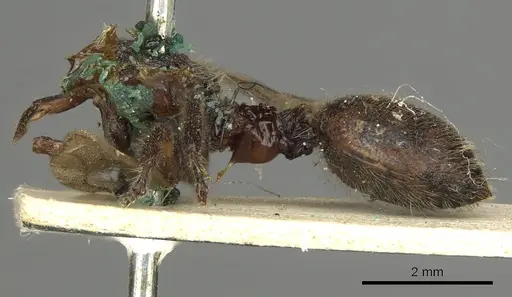
Procryptocerus petiolatus is a small to medium-sized ant species originally described as Meranoplus petiolatus in 1863,now classified in the genus Procryptocerus . The genus is known for its ability to fold the gaster accordion-like, giving these ants a unique appearance . Workers are typically dark in coloration with a somewhat flattened body shape adapted for their arboreal lifestyle . This species is found in Brazil , though specific habitat details are limited. This species is arboreal, spending most of its time in trees, which is common for Procryptocerus genus .
Quick Summary
- Difficulty: Expert
- Origin & Habitat: Brazil, specific habitat details unconfirmed, but Procryptocerus species are typically found in tropical forest canopies and margins, nesting in dead wood, hollow stems, or under bark [1][2]
- Colony Type: Based on Procryptocerus patterns, likely monogyne (single queen), but unconfirmed for this species [2]
- Size & Growth:
- Queen: Size data unavailable, inferred from Procryptocerus genus as approximately 8 mm [2]
- Worker: Size data unavailable, inferred from Procryptocerus genus as approximately 4-6 mm [2]
- Colony: Up to 500 workers [2], estimated based on related species
- Growth: Moderate, estimated based on genus patterns [2]
- Development: Estimated 6-10 weeks [2], based on genus patterns (Development timeline is unconfirmed for this specific species, estimates based on genus patterns)
- Antkeeping:
- Temperature: Keep at 24-28°C [2], these are tropical ants requiring warm, stable conditions.
- Humidity: Keep nest substrate consistently moist but not waterlogged [2], these arboreal ants prefer humid conditions.
- Diapause: Unknown, as a tropical species from Brazil, they likely do not require true hibernation but may have reduced activity during cooler periods [2]
- Nesting: Arboreal nesting preferences, in captivity they do well in Y-tong nests, plaster nests, or naturalistic setups with dead wood and bark pieces [2]. They prefer tight, enclosed chambers that mimic their natural hollow stem nesting.
- Behavior: Procryptocerus ants are generally calm and non-aggressive [2]. They are arboreal and spend most of their time in the canopy. Workers are slow-moving and deliberate. They feed on honeydew from aphids and scale insects, plus small insects [2]. Escape risk is high due to their small size and climbing ability, so ensure barriers are secure [2].
- Common Issues: maintaining high humidity can be challenging and may lead to desiccation if not managed properly [2], slow colony growth may result in long wait times for development, but proper care can mitigate this [2], wild-caught colonies may have parasites or diseases that can harm the colony [2], arboreal nature requires appropriate vertical space and nesting sites to prevent stress [2]
Species Background and Distribution
Procryptocerus petiolatus was originally described in 1863 by Julius Roger under the name Procryptocerus petiolatus before being reclassified to the genus Procryptocerus [1]. This species is found in Brazil, though the exact localities within Brazil are not specified in the original description. The genus Procryptocerus contains around 60 species distributed throughout Central and South America, with the highest diversity in the Amazon basin and surrounding tropical regions [2].
Natural History and Behavior
Procryptocerus species are arboreal or semi-arboreal ants that typically nest in dead wood, hollow stems, and under bark in tropical forest canopies [2]. They are not ground-nesting ants. Workers are generalist foragers that collect honeydew from sap-sucking insects and hunt small arthropods [2]. Colony sizes tend to be smaller than many ground-nesting species, typically reaching a few hundred workers at most [2]. They are generally non-aggressive and prefer to avoid confrontation, retreating into their nests when threatened [2].
Housing and Nest Setup
For captive care, Procryptocerus petiolatus does well in Y-tong nests or plaster nests that can maintain humidity [2]. Because they are arboreal, they appreciate some vertical space and will use elevated foraging areas. The nest chambers should be relatively tight-fitting, mimicking the hollow stems they use in nature. A naturalistic setup with pieces of dead wood, bark, or cork bark can provide enrichment and make the ants feel more at home. Ensure the nest has good humidity retention while allowing some ventilation to prevent mold. A water reservoir or moist substrate in the outworld helps maintain humidity [2].
Feeding and Nutrition
In captivity, Procryptocerus petiolatus should be fed a mix of sugar sources and protein [2]. Sugar water, honey, or diluted maple syrup can be offered as a carbohydrate source. For protein, provide small insects such as fruit flies, small crickets, or mealworms. They may also accept honeydew substitutes. Feed small amounts initially and remove uneaten food after 24-48 hours to prevent mold [2].
Temperature and Humidity Requirements
As a tropical species from Brazil, Procryptocerus petiolatus requires warm and humid conditions [2]. Maintain temperatures between 24-28°C for optimal colony health and brood development. Temperatures below 22°C may slow activity and development. Humidity should be maintained by keeping the nest substrate consistently moist but not waterlogged, which can be achieved with a water reservoir or moist substrate in the outworld [2].
Colony Development and Growth
Colony growth for Procryptocerus petiolatus is expected to be moderate, similar to other arboreal Myrmicinae species [2]. The queen lays eggs that develop through the typical ant life cycle of egg, larva, pupa, and adult worker. Based on genus patterns, the time from egg to worker is likely 6-10 weeks at optimal temperatures [2]. The first workers are typically smaller than mature workers. Colonies likely reach several hundred workers at maximum [2].
Frequently Asked Questions
How difficult is Procryptocerus petiolatus to keep?
This species is considered expert-level due to limited species-specific information available [2]. While Procryptocerus ants are generally hardy once established, the lack of detailed care guides for this specific species makes it challenging for beginners. Only experienced antkeepers should attempt this species.
What do Procryptocerus petiolatus ants eat?
They are generalist feeders that accept sugar sources like honey or sugar water, and protein from small insects such as fruit flies or mealworms [2].
What temperature and humidity do they need?
Keep them at 24-28°C with the nest substrate consistently moist but not waterlogged [2]. These tropical ants require warm, humid conditions to thrive.
How long does it take for the first workers to emerge?
Based on genus patterns, expect 6-10 weeks from egg to first worker at optimal temperatures [2]. This is an estimate as specific development data for this species is not available.
Can I keep multiple queens together?
The colony structure for this specific species is unconfirmed. Based on genus patterns, Procryptocerus species are typically monogyne (single queen) [2]. Combining multiple unrelated queens is not recommended without evidence they can coexist.
What type of nest should I use?
Y-tong nests or plaster nests work well [2]. They prefer tight chambers and appreciate some vertical space. A naturalistic setup with dead wood or bark pieces mimics their natural arboreal habitat.
Do they need hibernation?
As a tropical species from Brazil, they likely do not require true hibernation [2]. However, they may have reduced activity during cooler periods. Maintain stable warm temperatures year-round.
How big do colonies get?
Based on related species, colonies likely reach up to 500 workers at maximum [2]. Exact colony size for this species is unconfirmed.
Are Procryptocerus petiolatus good for beginners?
No, this species is not recommended for beginners [2]. The limited species-specific information and specific humidity/temperature requirements make it challenging. Start with more documented species like Lasius or Camponotus.
Report an Issue
The current care sheet is based fully on literature. See inconsistencies, or something that's incorrect? Please , it will be resolved after review from an admin. Contributing to the blogs tab also helps providing information, to make us be able to further improve the caresheets. Thank you for your support!
References

この飼育シートのライセンスは: CC BY-SA 4.0 .
コミュニティブログ
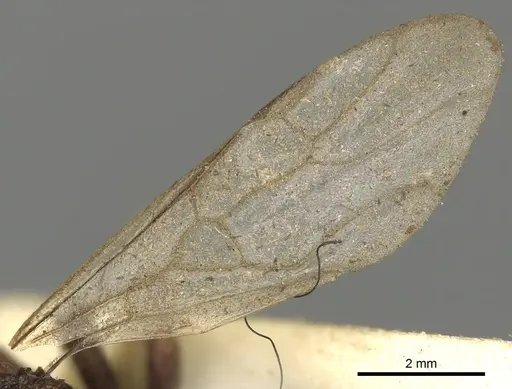
CASENT0900229
AntWebで見る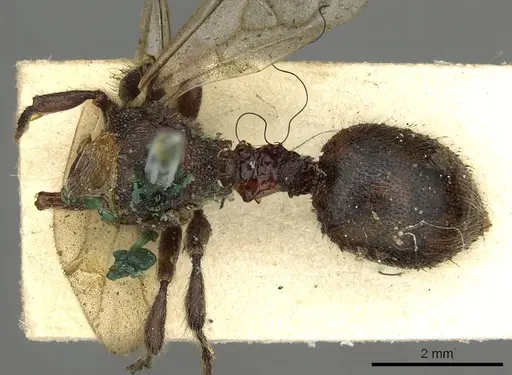
文献
分布マップを読み込み中...製品情報を読み込み中...