
Pristomyrmex profundus
- 学名
- Pristomyrmex profundus
- 族
- Crematogastrini
- 亜科
- Myrmicinae
- 命名者
- Wang, 2003
- 分布
- 0 か国で発見
紹介
Pristomyrmex profundus is a tiny ant species native to Southeast Asia, found in Borneo, Indonesia, Malaysia, and Vietnam . Workers measure 1.74-2.86 mm in total length, and queens are slightly larger at 3.48-3.92 mm . They have light yellow to yellow-brown coloration, long standing hairs, and deep antennal scrobes for storing their antennae. This species is the only member of the Pristomyrmex profundus group and lacks the typical denticles on the clypeus, which is unique within the genus . They inhabit leaf litter in lowland to mid-mountain rainforests at elevations of 500-700 meters .
Quick Summary
- Difficulty: Hard
- Origin & Habitat: Borneo, Indonesia, Malaysia, and Vietnam. Found in leaf litter in rainforests at 500-700m elevation [1][2].
- Colony Type: Colony structure is unconfirmed. No research has documented queen number or social structure for this species.
- Size & Growth:
- Queen: ~3.48-3.92 mm [2]
- Worker: ~1.74-2.86 mm [2]
- Colony: Unknown, no colony size data exists for this species
- Growth: Unknown, no development data exists
- Development: Estimated 4-8 weeks based on typical Myrmicinae patterns, but no direct measurements exist [2]. (Development may be faster in warm temperatures. No species-specific research has examined this.)
- Antkeeping:
- Temperature: Based on tropical rainforest origin, aim for 24-28°C with a gentle gradient [1].
- Humidity: Keep substrate consistently moist but not waterlogged, reflecting leaf-litter habitat [2].
- Diapause: Unknown, no research on seasonal behavior. Borneo has minimal temperature variation, so diapause may not be required [2].
- Nesting: In the wild, they live in leaf litter and rotting wood. In captivity, use Y-tong (AAC) or plaster nests with small chambers and moist substrate [2].
- Behavior: No behavioral studies exist. Based on genus patterns, they are likely docile and not aggressive. Their tiny size means escape prevention is critical, use fine mesh barriers [2]. Defense mechanism is smearing venom, typical for Myrmicinae, but no species-specific data exists.
- Common Issues: escape prevention is critical due to very small size, they can squeeze through standard mesh., humidity requirements are uncertain, monitor for drying or mold., growth rate is unknown, so new keepers may overfeed or lose patience., no documented nuptial flight timing, if you obtain a queen, research similar species for timing.
Understanding the Challenge: A Species with No Published Biology
Pristomyrmex profundus has no published biological research beyond morphology. The original description covers body measurements and features, but nothing about diet, founding, or daily habits [2]. This means care recommendations are educated guesses based on related Pristomyrmex species and general Myrmicinae biology. You'll need to observe your colony closely to learn what works. This makes it interesting for advanced keepers who enjoy documenting unstudied species.
Housing and Nest Setup
Workers are tiny (under 3 mm), so provide small-scale spaces. Use Y-tong (AAC) or plaster nests with narrow chambers and moist substrate [1]. Avoid large open areas. Escape prevention is critical: use fine mesh (0.5 mm or smaller) on ventilation holes and ensure tight lids [2].
Temperature and Humidity
Aim for nest temperature around 24-28°C with a slight gradient, based on tropical origin [1]. Humidity is key, keep substrate damp but not flooded. A water tube or moist moss in the outworld helps maintain conditions [2].
Feeding and Diet
No species-specific diet data, but Pristomyrmex are generally omnivorous. Offer small insects like flightless fruit flies or pinhead crickets, and occasional sugar water [2]. Feed small amounts 2-3 times weekly and remove uneaten prey to prevent mold.
Colony Development Expectations
No research on development, but based on typical Myrmicinae patterns, queens may seal themselves in for claustral founding. First workers might appear in 4-8 weeks under warm conditions [2]. Growth rate is unknown, likely moderate. Be patient and avoid disturbing the founding chamber.
Handling and Temperament
No behavioral studies, but Pristomyrmex are generally docile and lack a functional sting. Their tiny size makes them fragile, avoid handling directly. Minimize disturbances to the nest [2].
Frequently Asked Questions
How difficult is Pristomyrmex profundus to keep?
Hard due to lack of published care data and tiny size, which challenges escape prevention. Best suited for experienced keepers [2].
What do Pristomyrmex profundus eat?
No species-specific data, but Pristomyrmex are omnivorous. Offer small insects and sugar water [2].
How long does it take for the first workers to emerge?
Unknown, no research. Based on typical Myrmicinae patterns, estimate 4-8 weeks at warm temperatures [2].
Do Pristomyrmex profundus ants sting?
Pristomyrmex species lack a functional sting and are docile. Their tiny size cannot penetrate human skin [2].
What temperature do they need?
Based on tropical origin, aim for 24-28°C with a gradient [1].
Do they need hibernation or diapause?
Unknown, no research. From tropical Borneo, they likely do not require diapause [2].
How big do colonies get?
Colony size is unknown, no research exists [2].
Can I keep multiple queens together?
Unknown, colony structure is unconfirmed. Most Pristomyrmex are single-queen, so do not combine queens without evidence [2].
What nest type is best?
Y-tong or plaster nests with small chambers and moist substrate work well [2].
Why are my ants dying?
Common issues include escapes, low humidity, or temperature stress. Review conditions and observe colony behavior [2].
Where is Pristomyrmex profundus found in the wild?
Native to Southeast Asia: Borneo, Indonesia, Malaysia, and Vietnam, in leaf litter at 500-700m elevation [1][2].
Is this species suitable for beginners?
No, due to lack of data and tiny size, it is not recommended for beginners [2].
Report an Issue
The current care sheet is based fully on literature. See inconsistencies, or something that's incorrect? Please , it will be resolved after review from an admin. Contributing to the blogs tab also helps providing information, to make us be able to further improve the caresheets. Thank you for your support!
References

この飼育シートのライセンスは: CC BY-SA 4.0 .
コミュニティブログ
CASENT0901710
AntWebで見る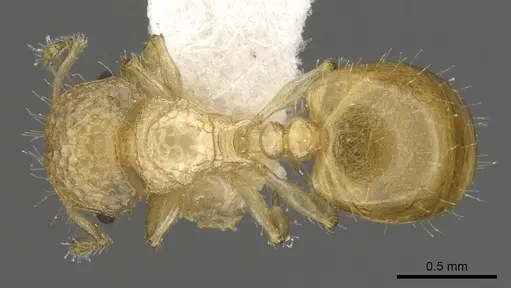
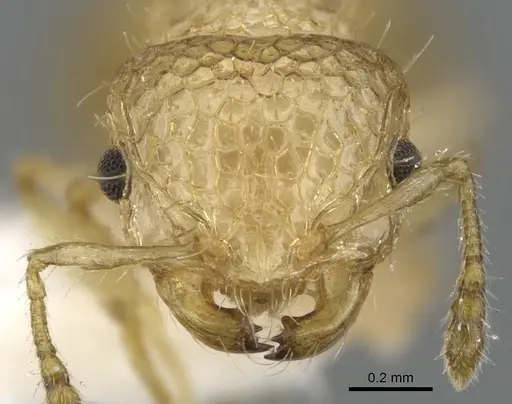
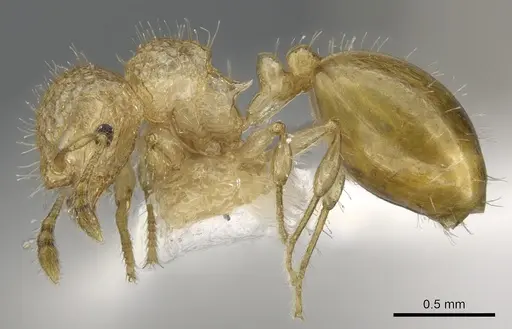
文献
分布マップを読み込み中...製品情報を読み込み中...