
Ponera xantha
- 学名
- Ponera xantha
- 族
- Ponerini
- 亜科
- Ponerinae
- 命名者
- Xu, 2001
- 分布
- 0 か国で発見
紹介
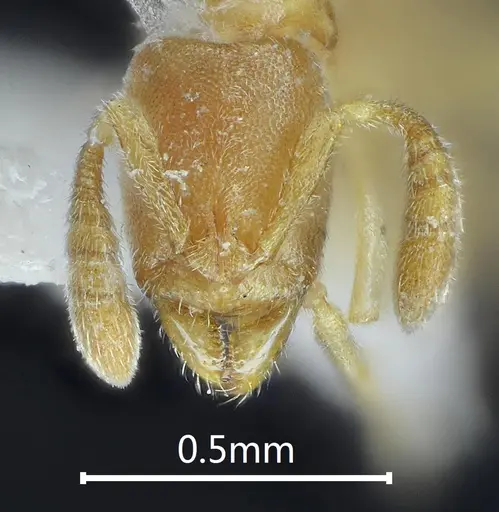
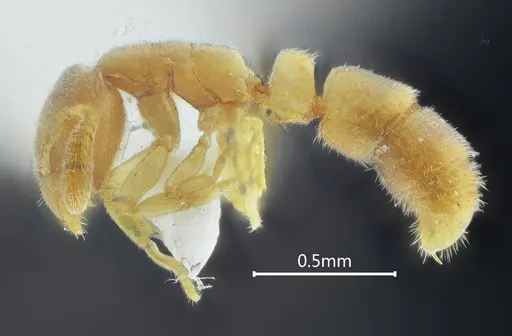
Ponera xantha is a tiny yellow ant from the Ponerinae subfamily, native to Yunnan Province in southern China. Workers measure 1.9 mm in total length , with a yellow body and brownish-yellow gaster. This species was described in 2001 from specimens collected at 2000 m elevation in subalpine moist evergreen broadleaf forest . Like other Ponera species, these ants are predatory hunters that likely prey on small soil micro-arthropods. They are cryptic nesters, typically found in moist soil or under stones in shaded forest environments.
Quick Summary
- Difficulty: Medium
- Origin & Habitat: Yunnan Province, China, subalpine moist evergreen broadleaf forest at 2000 m elevation [2][1]
- Colony Type: Unconfirmed, based on genus patterns, likely single-queen colonies
- Size & Growth:
- Antkeeping:
- Temperature: Keep around 20-24°C, based on their cool subalpine habitat [2]. Avoid temperatures above 28°C.
- Humidity: Keep nest substrate consistently moist but not waterlogged, as they live in moist forests [2][1]
- Diapause: Likely requires winter diapause given high-altitude origin [2]. Reduce temperature to 10-15°C for 2-3 months during winter.
- Nesting: Prefers moist nest materials. Test tube setups work for founding colonies, Y-tong or plaster nests with small chambers for established colonies.
- Behavior: Ponera xantha workers are slow-moving and cryptic. They forage individually on the substrate, hunting small prey. As small ponereine ants, their sting is unlikely to be painful to humans. They are not aggressive and will retreat when disturbed. Their small size means they can squeeze through tiny gaps, so escape prevention is critical.
- Common Issues: escape prevention is critical despite small size, they can squeeze through gaps that seem impossible., colonies are slow to grow and beginners may lose patience or overfeed, causing mold., high humidity requirements can lead to mold outbreaks if ventilation is poor., test tube setups can flood if water reservoirs are overfilled., wild-caught colonies may have parasites that can wipe out the colony in captivity.
Nest Preferences and Setup
Ponera xantha is a cryptic species that prefers dark, moist nesting environments. In the wild, they nest in soil or under stones in moist forest habitats [2][1]. For captivity, test tube setups work excellently for founding colonies, use a small test tube with a water reservoir sealed with a cotton plug, providing humidity through evaporation. The tube should be wrapped in dark material to simulate their natural nests. For established colonies, Y-tong (AAC) nests or plaster nests with small, tight chambers work well. The chambers should be appropriately sized for their tiny 1.9 mm workers. Keep the nest in a shaded area away from direct light.
Feeding and Diet
As a Ponerine ant, Ponera xantha is predatory and needs live small prey. Their primary food should be live springtails, which are an ideal size for their tiny workers. They will also accept other micro-arthropods including small mites and fruit fly larvae. Feed small prey items 2-3 times per week, removing any uneaten prey within 24 hours to prevent mold. Sugar sources are not typically accepted by Ponera species, they are obligate predators. Fresh water should always be available. [1]
Temperature and Seasonal Care
This species comes from a cool subalpine environment at 2000 m elevation in Yunnan, China [2]. They prefer temperatures in the range of 20-24°C, with 20-22°C being ideal. Avoid overheating, temperatures above 28°C are likely harmful. Room temperature is often perfect for this species. If your room is cooler than 18°C, use a heating cable on only one side of the nest to create a gentle gradient. For winter care, a diapause period is recommended given their high-altitude origin. Reduce temperature to 10-15°C for 2-3 months during winter, mimicking natural seasonal cycles.
Behavior and Colony Dynamics
Ponera xantha workers are slow-moving and cryptic by nature. They forage individually rather than in groups, hunting small prey on the substrate surface. Workers are not aggressive and will retreat when threatened. The colony will remain small, colony size is unknown but related species may reach up to 200 workers. Colonies grow slowly, so patience is essential. Queens are likely claustral founders, but this is unconfirmed. The first workers (nanitics) will be smaller than mature workers, but development timeline is unknown. [1]
Frequently Asked Questions
How long does it take for Ponera xantha to produce first workers?
No specific data is available for this species. Development timeline likely depends on temperature and is inferred from genus patterns.
Can I keep Ponera xantha in a test tube?
Yes, test tubes work excellently for this species. Use a small test tube with a water reservoir, keep it wrapped in dark material, and maintain high humidity. Transfer to a larger setup only when the colony has several workers.
What do Ponera xantha eat?
They are predatory ants that need live small prey. Feed live springtails as a primary food source. They may also accept small mites and fruit fly larvae. Sugar sources are generally not accepted.
Do Ponera xantha ants sting?
As small ponereine ants, their sting is unlikely to be painful to humans. They are generally harmless to handle.
Are Ponera xantha good for beginners?
This is a medium-difficulty species. Their small size, high humidity needs, and slow growth require some experience. Beginners should start with more established species.
Do Ponera xantha need hibernation?
Likely yes, given their high-altitude origin. A winter diapause at 10-15°C for 2-3 months is recommended [2].
How big do Ponera xantha colonies get?
Colony size is unknown for this species. Related Ponera species may reach up to 200 workers, but this is not confirmed.
Why are my Ponera xantha dying?
Common causes include: too dry conditions (they need high humidity), temperatures too high (keep below 28°C), mold from overwatering or poor ventilation, or stress from disturbance during founding. Check humidity levels first.
When should I move Ponera xantha to a formicarium?
Wait until the colony has several workers and the test tube humidity is difficult to maintain. A Y-tong or plaster nest with small chambers works well for transition.
Can I keep multiple Ponera xantha queens together?
This is not recommended. Ponera species are typically single-queen colonies. Combining unrelated queens has not been documented and likely results in aggression.
Report an Issue
The current care sheet is based fully on literature. See inconsistencies, or something that's incorrect? Please , it will be resolved after review from an admin. Contributing to the blogs tab also helps providing information, to make us be able to further improve the caresheets. Thank you for your support!
References

この飼育シートのライセンスは: CC BY-SA 4.0 .
コミュニティブログ
ANTWEB1060525
AntWebで見る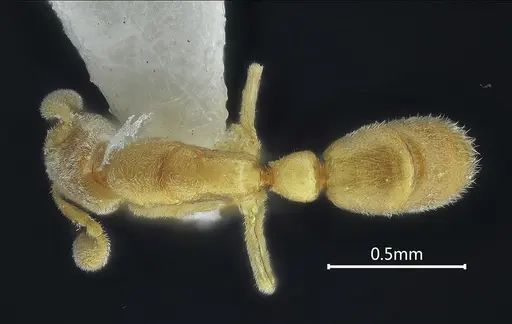
文献
分布マップを読み込み中...製品情報を読み込み中...