
Ponera bawana
- 学名
- Ponera bawana
- 族
- Ponerini
- 亜科
- Ponerinae
- 命名者
- Xu, 2001
- 分布
- 0 か国で発見
紹介
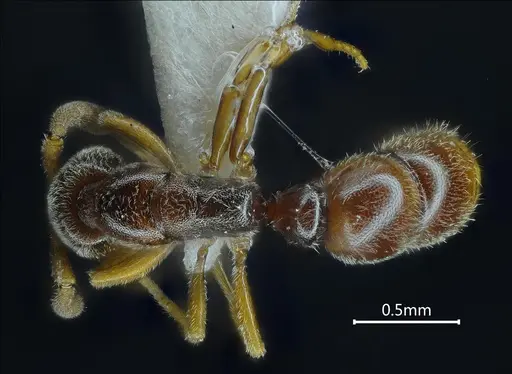
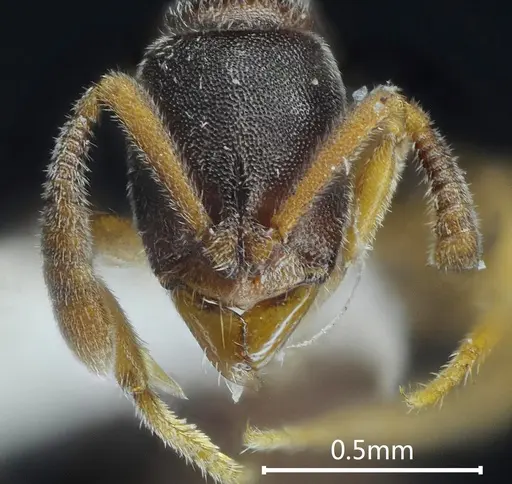
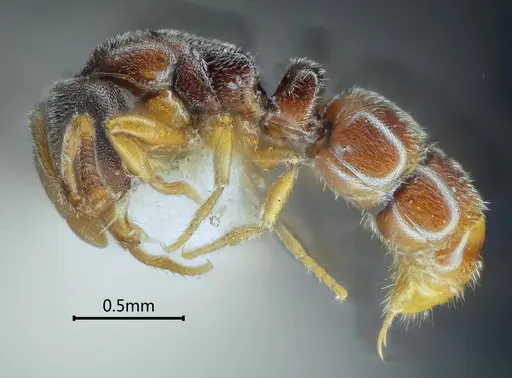
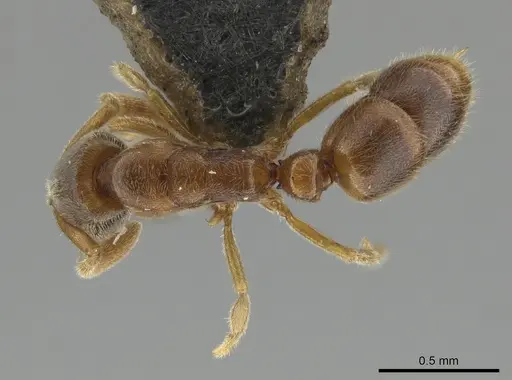
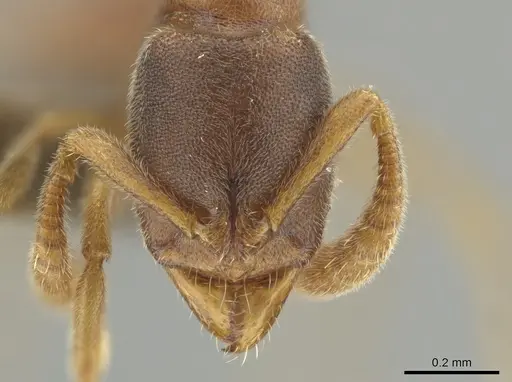
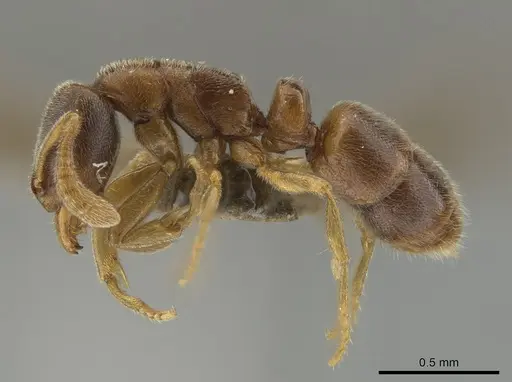
Ponera bawana is a tiny ant native to Yunnan Province, China. Workers measure 2.8mm in total length and queens measure 3.5-3.6mm in total length . This species was collected in pine forest at 1500 meters elevation and additional specimens were found in the Gaoligong Shan mountains . It belongs to the Ponera genus, which consists of small, ground-dwelling ants. This species was described in 2001 and remains poorly studied. It is cryptic and often overlooked due to its small size and forest habitat.
Quick Summary
- Difficulty: Medium
- Origin & Habitat: Yunnan Province, China, collected in pine forest at 1500m elevation [1] and in Gaoligong Shan mountains [2]. This is a high-altitude subtropical to temperate mountain region.
- Colony Type: Based on typical Ponera genus patterns, likely monogyne (single queen colonies).
- Size & Growth:
- Antkeeping:
- Temperature: Keep in cool range, roughly 20-24°C, based on mountain habitat
- Humidity: Keep substrate moist but not waterlogged, as they are forest floor ants
- Diapause: Likely required due to mountain origin, but specific timing unknown
- Nesting: Prefer tight, humid chambers, test tube setup or small nest
- Behavior: Shy and non-aggressive, flee rather than fight. Sting is present but mild due to small size.
- Common Issues: high humidity needs can lead to mold if ventilation poor, small colonies are vulnerable to stress, limited species-specific data requires careful observation, diapause timing needs to be determined, predatory diet requires live prey
Housing and Nest Setup
Ponera bawana is a tiny ant that needs appropriately scaled housing. A test tube setup works well for founding colonies, use a small tube with a cotton ball reservoir for humidity. For established colonies, a small nest with tight chambers scaled to their 2.8mm worker size is ideal [1]. These ants prefer darkness and will nest in shadier portions of setups. Avoid large, open formicaria to prevent stress. Escape prevention should be standard, as tiny workers can slip through gaps.
Feeding and Diet
These ants are predatory and need protein-rich food. Offer small live prey such as fruit flies or springtails. Feed them 2-3 times per week, removing uneaten prey after 24 hours. Sugar water may be accepted occasionally but should not be the primary food. Fresh water should always be available.
Temperature and Seasonal Care
This species comes from mountain forests, so keep temperatures around 20-24°C. Avoid overheating above 28°C. During winter, a diapause period is likely, but specific timing is unknown. Reduce feeding during cooler periods. [2]
Colony Development
Founding behavior is unconfirmed. Based on genus patterns, queens may seal themselves in chambers, but this is not documented for this species. Development from egg to worker is estimated at 6-10 weeks at optimal temperature. Colony growth is moderate, but maximum size is unknown.
Behavior and Temperament
Ponera bawana is shy and non-aggressive. Workers flee rather than fight when disturbed. Their sting is present but mild due to tiny size. Activity levels are moderate, with quiet foraging.
Frequently Asked Questions
How long does it take for Ponera bawana to have first workers?
Expect 6-10 weeks from egg to first worker at optimal temperature, based on genus patterns. Be patient with founding colonies.
What do Ponera bawana ants eat?
They are predatory and need live small prey like fruit flies or springtails. Offer protein 2-3 times per week.
What temperature do Ponera bawana ants need?
Keep them around 20-24°C, based on their mountain habitat. Avoid temperatures above 28°C.
Do Ponera bawana ants need hibernation?
Likely yes, due to their mountain origin, but specific timing is unknown. A winter rest period may be required.
How big do Ponera bawana colonies get?
Colony size is unknown, no data on maximum size [1].
Are Ponera bawana good for beginners?
They are moderate difficulty due to humidity needs and predatory diet. Not recommended for absolute beginners.
Can I keep multiple Ponera bawana queens together?
This hasn't been studied. Based on genus patterns, single-queen colonies are common. Combining queens is not recommended without evidence.
What humidity do Ponera bawana ants need?
Keep substrate moist but not waterlogged, as they are forest floor ants.
When should I move Ponera bawana to a formicarium?
Wait until the colony has active foraging and is crowded in the test tube. For small colonies, test tubes can be used long-term.
Report an Issue
The current care sheet is based fully on literature. See inconsistencies, or something that's incorrect? Please , it will be resolved after review from an admin. Contributing to the blogs tab also helps providing information, to make us be able to further improve the caresheets. Thank you for your support!
References

この飼育シートのライセンスは: CC BY-SA 4.0 .
コミュニティブログ
文献
分布マップを読み込み中...製品情報を読み込み中...