
Polyrhachis sukarmani
- 学名
- Polyrhachis sukarmani
- 亜属
- Campomyrma
- 族
- Camponotini
- 亜科
- Formicinae
- 命名者
- Kohout, 2007
- 分布
- 0 か国で発見
紹介
Polyrhachis sukarmani is a medium-large ant species belonging to the subgenus Campomyrma, found across Southeast Asia including Borneo, Thailand, and Indonesia . Workers measure 6.30-6.80 mm with a distinctive black body and dark reddish-brown legs and antennae . They have a scale-like petiole without distinct dorsolateral spines , and their head and mesosoma feature characteristic longitudinal striations . Queens are larger at around 8.52 mm . This species inhabits lowland evergreen forests where it nests in the ground . Most specimens have been collected from high canopy fogging at around 30 meters above ground level , suggesting these ants are highly arboreal foragers despite their ground-nesting habits. This combination of ground nesting with canopy foraging makes them somewhat unusual among Southeast Asian ants .
Quick Summary
- Difficulty: Medium
- Origin & Habitat: Lowland evergreen forests of Southeast Asia (Borneo, Thailand, Indonesia, Malaysia) [1]. Most specimens collected from high canopy at ca. 30m above ground, with some from lower vegetation 1.5-2.0m [1].
- Colony Type: Colony structure is unconfirmed. Ground-nesting species with type series specimens hand collected from ground nests [2].
- Size & Growth:
- Antkeeping:
- Temperature: Based on their lowland evergreen forest habitat in tropical Southeast Asia, keep them warm at 24-28°C [1]. A gentle gradient allowing them to choose their preferred temperature is ideal.
- Humidity: Moderate to high humidity suits their forest floor origins. Keep the nest substrate consistently moist but not waterlogged [1].
- Diapause: Unknown, no specific data on overwintering requirements. As a tropical species from lowland forests, they likely do not require true hibernation but may show reduced activity during cooler periods.
- Nesting: Ground-nesting species [2]. A naturalistic setup with soil or a Y-tong/plaster nest works well. Given their arboreal foraging habits, include some vertical space or climbing structures in the outworld [1].
- Behavior: These ants are relatively calm and not particularly aggressive based on typical Polyrhachis patterns. Workers are moderately active and will forage both on the ground and up vertical surfaces [1]. Their small size (around 6mm for workers) means escape prevention should be taken seriously, use tight-fitting lids and appropriate barriers. They appear to be generalist foragers based on their canopy collection records [1].
- Common Issues: escape risk due to small size, ensure tight lids and barriers to prevent colony loss., temperature sensitivity, keep above 20°C to avoid cold stress and mortality., limited care data may lead to husbandry mistakes, research related species for guidance.
Housing and Nest Setup
Polyrhachis sukarmani is a ground-nesting species that benefits from a naturalistic setup or a Y-tong/plaster formicarium with a soil chamber [2]. Since they are arboreal foragers, include climbing structures, branches, or cork bark in the outworld to allow natural foraging behavior [1]. A deep soil area in a naturalistic setup mimics their natural ground-nesting habits. Test tube setups work for founding colonies but will need upgrading as the colony grows. Ensure the nest has some vertical space or multiple levels to accommodate their foraging activity.
Feeding and Diet
No specific dietary data is available for this species in the research context. Based on general Polyrhachis habits and their canopy foraging behavior, they are likely generalist foragers. Offer sugar sources (honey, sugar water) and protein (small insects like fruit flies, mealworms) [1]. Feed protein 2-3 times per week and ensure sugar water is always available once the colony has workers. Remove uneaten prey after 24-48 hours to prevent mold.
Temperature and Humidity
As a lowland tropical species from Southeast Asia, P. sukarmani requires warm conditions. Maintain temperatures between 24-28°C with a gentle gradient allowing the ants to self-regulate [1]. Humidity should be moderate to high, keep the nest substrate consistently moist but avoid waterlogging [1]. Given their forest floor origin, they prefer stable conditions without dramatic temperature or humidity swings.
Colony Development and Growth
Specific development timelines for P. sukarmani have not been documented in scientific literature. Based on typical Polyrhachis genus patterns, expect the first workers to emerge around 8-12 weeks after the queen lays eggs, assuming optimal temperature around 26°C. Colony growth is likely moderate, these are not fast-growing species. Queens are chunky at 8.5mm with substantial fat reserves, suggesting they can sustain founding without additional food. Once the first workers arrive, growth should steady as the colony transitions from claustral founding to active foraging. Patience is essential, especially during the founding phase. [2]
Behavior and Temperament
Polyrhachis sukarmani workers are relatively calm and not particularly aggressive based on typical Polyrhachis patterns. They are moderately active foragers that will explore both the ground and vertical surfaces in search of food [1]. Their distinctive black coloration with reddish-brown legs makes them visually striking in the formicarium. Workers communicate through chemical trails and can recruit nestmates to food sources. Despite their moderate size, escape prevention should be taken seriously, check that all connections are secure and use appropriate barriers.
Seasonal Care
As a tropical lowland species, P. sukarmani does not require true hibernation. However, they may show reduced activity during cooler periods, which in captivity might correspond to winter months if your room temperature drops. There is no documented diapause requirement for this species. Simply maintain normal care conditions year-round, ensuring temperature remains in their preferred range. If you notice reduced foraging activity in winter, this is normal, do not overheat the colony to compensate.
Frequently Asked Questions
How long does it take for Polyrhachis sukarmani to produce first workers?
The exact development timeline has not been scientifically documented for this species. Based on typical Polyrhachis patterns, expect 8-12 weeks from egg to first worker at optimal temperature (around 26°C). This is an estimate, actual timing may vary.
What do Polyrhachis sukarmani ants eat?
No specific dietary data is available, but they are likely generalist foragers. Offer sugar water or honey as a constant energy source, and protein (small insects like fruit flies, mealworms) 2-3 times per week [1].
Are Polyrhachis sukarmani good for beginners?
This species is rated as Medium difficulty. While not as challenging as some exotic species, the lack of documented care information means you will need to adapt care based on related species. They are not commonly available in the antkeeping hobby.
What temperature do Polyrhachis sukarmani need?
Keep them warm at 24-28°C [1]. This matches their natural habitat in lowland evergreen forests of Southeast Asia. A gentle temperature gradient allows them to self-regulate.
How big do Polyrhachis sukarmani colonies get?
Colony size data is not available for this species. Based on their worker size (6.3-6.8mm) and related species, colonies likely reach several hundred workers at maturity, but this is unconfirmed.
Can I keep multiple Polyrhachis sukarmani queens together?
Colony structure (monogyne vs polygyne) has not been documented for this species. It is not recommended to combine unrelated foundresses as this has not been studied.
Do Polyrhachis sukarmani need hibernation?
As a tropical lowland species from Southeast Asia, they likely do not require true hibernation. There is no documented diapause requirement. Simply maintain normal warm conditions year-round.
What type of nest is best for Polyrhachis sukarmani?
Ground-nesting species do well with naturalistic setups (soil-filled setups with flat stones or cork) or Y-tong/plaster nests with soil chambers [2]. Include climbing structures in the outworld since they forage in vegetation [1].
Where is Polyrhachis sukarmani found in the wild?
They inhabit lowland evergreen forests in Southeast Asia, specifically Borneo (Malaysia and Indonesia), Thailand, and likely surrounding areas [1]. Most specimens have been collected from high canopy (ca. 30m) using fogging methods [1].
Report an Issue
The current care sheet is based fully on literature. See inconsistencies, or something that's incorrect? Please , it will be resolved after review from an admin. Contributing to the blogs tab also helps providing information, to make us be able to further improve the caresheets. Thank you for your support!
References

この飼育シートのライセンスは: CC BY-SA 4.0 .
コミュニティブログ
CASENT0903306
AntWebで見る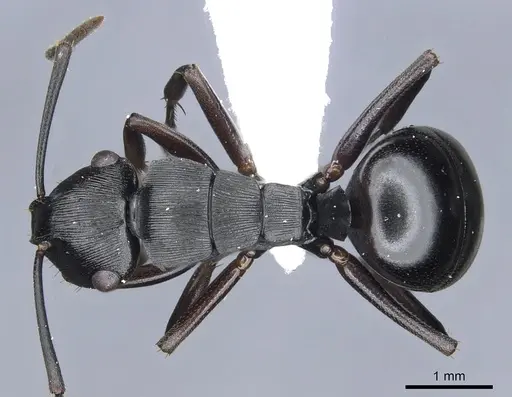
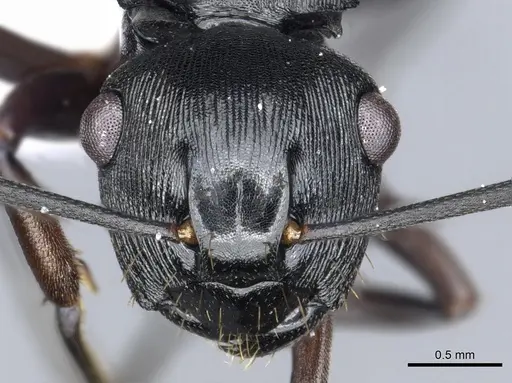
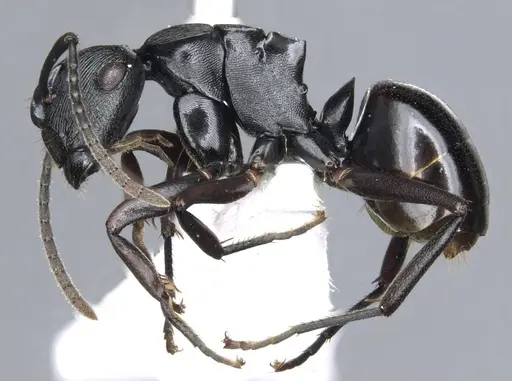
文献
分布マップを読み込み中...製品情報を読み込み中...