
Polyrhachis procera
- 学名
- Polyrhachis procera
- 亜属
- Myrma
- 族
- Camponotini
- 亜科
- Formicinae
- 命名者
- Emery, 1897
- 分布
- 0 か国で発見
紹介
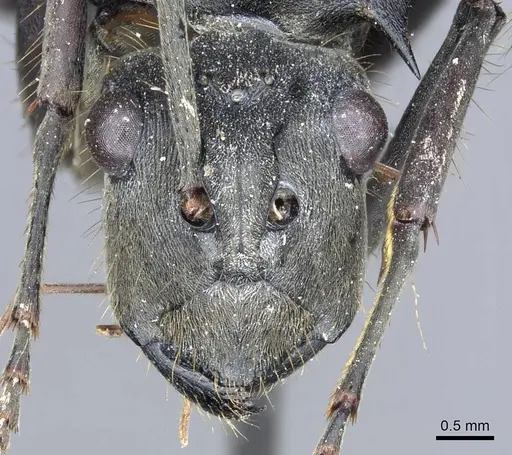
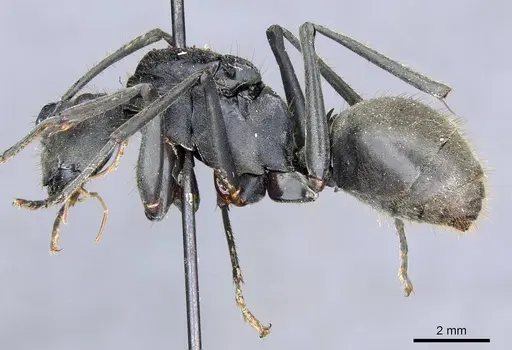
Polyrhachis procera is a large ant species from New Guinea, part of the subgenus Myrma. Workers measure 11.89–12.85 mm in total length, with queens around 12.70 mm . The head and thorax have pronounced striation, and the gaster has only a few short hairs . Queens closely resemble workers but have shorter pronotal and petiolar spines and denser pilosity on the antennal scapes and mesosomal dorsum . This species was separated from the similar Polyrhachis continua by its larger size and more pronounced body sculpturing . Found in montane forests at elevations of 1200–1260 m in Papua New Guinea and West Irian, Indonesia . Male and immature stages have not been described . Little is known about its nesting habits or colony structure, making it a challenging species for antkeepers.
Quick Summary
- Difficulty: Hard
- Origin & Habitat: New Guinea (Papua New Guinea and West Irian, Indonesia). Collected at 1200–1260 m elevation in montane forest habitats including Star Mountains and Sibil Valley [1].
- Colony Type: Unconfirmed. Based on typical Polyrhachis patterns, likely single-queen (monogyne) colonies, though this has not been directly documented for this species.
- Size & Growth:
- Queen: ~12.70 mm [1]
- Worker: ~11.89–12.85 mm [1]
- Colony: Unknown, no colony size data available for this species
- Growth: Unknown
- Development: Unknown, no direct measurements available. Male and immature stages unknown [1]. (Development timeline has not been studied. Based on tropical origin, estimated 6–10 weeks at warm temperatures, but this is a rough inference.)
- Antkeeping:
- Temperature: Temperature requirements are unknown. As a tropical montane species, keep warm (24–28°C is a reasonable starting point). Avoid sustained temperatures below 20°C.
- Humidity: High humidity is likely essential given their forest habitat. Keep nest substrate consistently moist but not waterlogged. Outworld should have a water source.
- Diapause: No, this tropical species from near the equator does not require hibernation.
- Nesting: Nesting preferences unknown. Provide a versatile setup with both soil/substrate areas and vertical surfaces (cork bark, branches) as many Polyrhachis are semi-arboreal. Y-tong or plaster nests with large chambers suitable.
- Behavior: Defense mechanism: spray formic acid from the acidopore (typical of Formicinae subfamily). Temperament not formally documented but likely not aggressive toward keepers. Escape risk is moderate due to large size and climbing ability, ensure secure enclosure.
- Common Issues: unknown founding behavior means queens may fail to start colonies without specific conditions, high humidity requirements can lead to mold problems if ventilation is poor, very limited availability in the hobby, wild-caught colonies may carry parasites, no established care guidelines, keepers must experiment carefully
Housing and Nest Setup
Polyrhachis procera workers are over 12 mm long, so provide a nest with chambers large enough for them to move comfortably. A Y-tong (AAC) or plaster formicarium works well – these hold humidity and allow observation. Since natural nesting habits are unknown, give a versatile setup: include both horizontal substrate areas and vertical climbing structures like cork bark or branches. Keep the nest substrate consistently moist (damp but not soggy) to maintain high humidity. The outworld should have a shallow water dish and climbing enrichment.
Feeding and Diet
Like most Polyrhachis, these ants are likely omnivorous. Offer a constant source of sugar (sugar water or honey) and replace it every 2–3 days to prevent spoilage. For protein, provide small live insects such as fruit flies, small crickets, or mealworms 2–3 times per week. Adjust feeding based on colony size and consumption. Remove uneaten prey after 24 hours to avoid mold. Their specific dietary preferences are undocumented, so observe your colony and adjust.
Temperature and Seasonal Care
Exact temperature requirements are not known for this species. As a tropical montane ant from New Guinea, it likely needs warm, stable conditions. A reasonable target is 24–28°C during the active season. Use a small heating cable on one side of the nest to create a gradient (never directly on the nest to avoid drying or condensation). Avoid prolonged temperatures below 20°C. This species does not require hibernation – keep conditions stable year-round.
Behavior and Colony Dynamics
Defense mechanism: Polyrhachis procera belongs to the subfamily Formicinae and lacks a functional sting. When threatened, workers bite and spray formic acid from the acidopore. They are unlikely to be aggressive toward keepers but may raise their abdomen in warning. Colony dynamics are largely unknown: single-queen colonies are assumed based on typical Polyrhachis patterns, but this is unconfirmed. Workers are active foragers and likely scavenge for honeydew and small prey.
Frequently Asked Questions
How long does it take for Polyrhachis procera to produce first workers?
The development timeline is unknown – no studies have documented egg-to-worker duration. Based on tropical Polyrhachis species, a rough estimate is 6–10 weeks at warm temperatures, but this is speculative. Actual times may vary significantly.
What temperature do Polyrhachis procera ants need?
Exact temperatures are not documented. As a tropical species, aim for a stable 24–28°C. Avoid sustained temperatures below 20°C or above 32°C. Provide a thermal gradient so workers can self-regulate.
Do Polyrhachis procera ants need hibernation?
No – this species comes from the equatorial tropics and does not require winter diapause. Keep conditions warm and stable all year.
What do Polyrhachis procera ants eat?
They are likely omnivorous. Provide a constant source of sugar (sugar water or honey) and offer small insects like fruit flies, crickets, or mealworms 2–3 times per week for protein. Remove uneaten prey after 24 hours.
Are Polyrhachis procera ants good for beginners?
No. This species is not recommended for beginners due to unknown care requirements, specific high humidity needs, and very limited availability. Experienced keepers familiar with tropical species may find it manageable, but the lack of documented information makes it challenging.
How big do Polyrhachis procera colonies get?
Maximum colony size is unknown. Based on the large worker size (12+ mm), colonies may reach several hundred workers, but this is an estimate. No data exists.
Can I keep multiple queens together?
Colony structure is unconfirmed. Many Polyrhachis species are monogyne, but some are polygyne. Without data for this species, it is not recommended to combine unrelated queens – fighting may occur.
What type of nest is best for Polyrhachis procera?
A Y-tong (AAC) or plaster formicarium with large chambers works well. These hold humidity and allow observation. A naturalistic setup with both substrate and climbing structures is recommended given their likely semi-arboreal nature.
Where is Polyrhachis procera found?
This species is native to New Guinea (Papua New Guinea and West Irian, Indonesia). It has been collected at elevations of 1200–1260 m in montane forest habitats [1].
Report an Issue
The current care sheet is based fully on literature. See inconsistencies, or something that's incorrect? Please , it will be resolved after review from an admin. Contributing to the blogs tab also helps providing information, to make us be able to further improve the caresheets. Thank you for your support!
References

この飼育シートのライセンスは: CC BY-SA 4.0 .
コミュニティブログ
CASENT0905617
AntWebで見る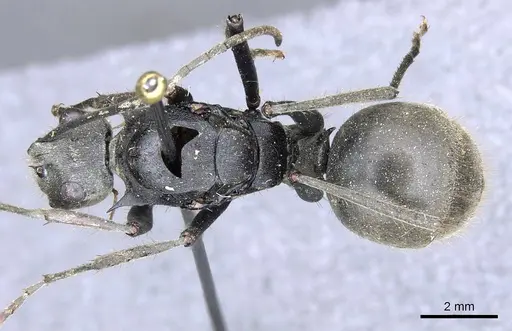
文献
分布マップを読み込み中...製品情報を読み込み中...