
Polyrhachis neptunus
- 学名
- Polyrhachis neptunus
- 亜属
- Myrmothrinax
- 族
- Camponotini
- 亜科
- Formicinae
- 命名者
- Smith, 1865
- 分布
- 0 か国で発見
紹介
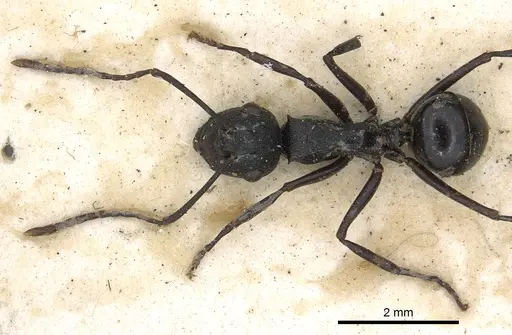
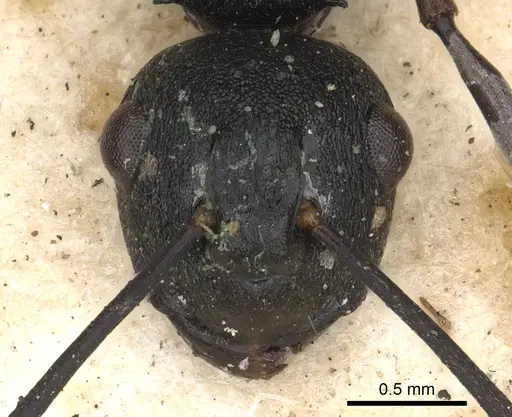
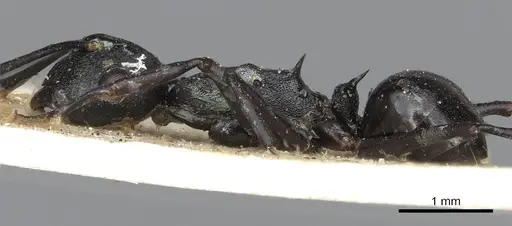
Polyrhachis neptunus is a spiny ant species native to New Guinea and the Philippines . Workers have distinctive spines on the mesosoma and are arboreal, living and foraging in trees . Research shows this species is the second most common native ant in secondary forest habitats in New Guinea, with 90 nests and 60 foragers recorded, and it does not occur in primary forest plots .
Quick Summary
- Difficulty: Medium
- Origin & Habitat: New Guinea and Philippines, found exclusively in secondary (disturbed/regenerating) forest habitats [1][3]
- Colony Type: Colony structure is unconfirmed. Polyrhachis species are typically monogyne (single queen) but some can be polygyne, no specific data for this species.
- Size & Growth:
- Queen: Size data unavailable, no total length measurements in literature
- Worker: Size data unavailable, no total length measurements in literature
- Colony: Unknown, no colony size data available
- Growth: Unknown
- Development: Estimated 6-10 weeks based on typical Polyrhachis genus patterns at tropical temperatures [2] (Development time is inferred from genus-level data, no species-specific studies available.)
- Antkeeping:
- Temperature: Keep warm, roughly 24-28°C, based on tropical genus patterns. Avoid temperatures below 22°C.
- Humidity: Keep substrate consistently moist but not waterlogged, as they come from tropical forest environments.
- Diapause: No, tropical species from near the equator do not require hibernation. Keep conditions stable year-round.
- Nesting: Arboreal setup recommended. Use wood, bark, or plants for climbing, Y-tong nests with narrow chambers can work. Avoid ground-based setups.
- Behavior: Polyrhachis neptunus is an active arboreal forager. Workers are not particularly aggressive but may defend their nest. Defense mechanism: lacks a functional sting, bites and sprays formic acid from an acidopore (based on subfamily Formicinae, tribe Camponotini) [2]. Escape risk is moderate due to small size, use standard barriers.
- Common Issues: maintaining high humidity can be challenging in captivity, arboreal housing requires vertical space and climbing structures, lack of species-specific care data means adapting from genus knowledge, secondary forest origin suggests tolerance of disturbance, but stable conditions are needed for colony health
Natural History and Distribution
Polyrhachis neptunus is native to New Guinea and the Philippines [1]. A study in New Guinea found it to be the second most common arboreal ant in secondary forest, with 90 nests and 60 foragers recorded, and it was absent from primary forest plots [3]. This species thrives in disturbed or regenerating forest environments, nesting in trees and woody vegetation such as hollow branches or bark crevices [2].
Housing and Nest Preferences
As an arboreal species, Polyrhachis neptunus needs housing that mimics tree-dwelling habitats. Use wood pieces, bark, or live plants for climbing, and provide vertical space. Y-tong nests with narrow chambers can be adapted if connected to an outworld with climbing routes. Avoid ground-based setups, as these ants are not ground-nesters [2].
Temperature and Humidity Requirements
This tropical species requires warm conditions, roughly 24-28°C, based on genus patterns. Maintain high humidity by keeping the nest substrate moist but not waterlogged. No specific temperature or humidity data is available from research, so observe ant behavior to adjust conditions.
Feeding and Diet
Polyrhachis ants are omnivorous, feeding on honeydew, nectar, and insects in the wild. In captivity, offer sugar water or honey constantly, and protein sources like fruit flies or small crickets 2-3 times per week. Remove uneaten prey to prevent mold [2].
Behavior and Colony Dynamics
Workers are active foragers along branches and foliage. They are not aggressive toward keepers but may defend the nest. The spines on the mesosoma may serve a defensive function, and the species uses formic acid spray as a defense mechanism based on subfamily traits [2]. Colony growth is unknown, but arboreal environments require enrichment with climbing structures.
Frequently Asked Questions
What is Polyrhachis neptunus?
Polyrhachis neptunus is a spiny, arboreal ant native to New Guinea and the Philippines, found exclusively in secondary forest habitats [1][3].
How do I house Polyrhachis neptunus?
Use an arboreal setup with climbing structures like wood or bark. Avoid ground-based formicariums, Y-tong nests with climbing routes to an outworld are suitable [2].
What temperature do Polyrhachis neptunus need?
Keep them warm at roughly 24-28°C, based on tropical genus patterns. No species-specific data is available.
What humidity level is best for Polyrhachis neptunus?
Maintain a moist substrate without waterlogging, as they come from tropical forest environments. No specific percentage is documented.
What do Polyrhachis neptunus eat?
Offer sugar water or honey constantly, plus protein sources like small insects 2-3 times per week [2].
How long does it take for Polyrhachis neptunus to develop from egg to worker?
Estimated 6-10 weeks based on typical Polyrhachis genus patterns at tropical temperatures [2].
Are Polyrhachis neptunus good for beginners?
This species is rated Medium difficulty due to arboreal housing and tropical condition requirements. Better suited for keepers with some experience.
Where is Polyrhachis neptunus found in the wild?
In New Guinea and the Philippines, exclusively in secondary forest habitats [1][3].
Do Polyrhachis neptunus need hibernation?
No, as a tropical species, they do not require hibernation. Keep temperatures stable year-round.
How big do Polyrhachis neptunus colonies get?
Colony size data is unavailable for this species.
Why is Polyrhachis neptunus found only in secondary forest?
Research shows it is absent from primary forest but common in secondary forest, suggesting a preference for disturbed habitats [3].
Report an Issue
The current care sheet is based fully on literature. See inconsistencies, or something that's incorrect? Please , it will be resolved after review from an admin. Contributing to the blogs tab also helps providing information, to make us be able to further improve the caresheets. Thank you for your support!
References

この飼育シートのライセンスは: CC BY-SA 4.0 .
コミュニティブログ
CASENT0901860
AntWebで見る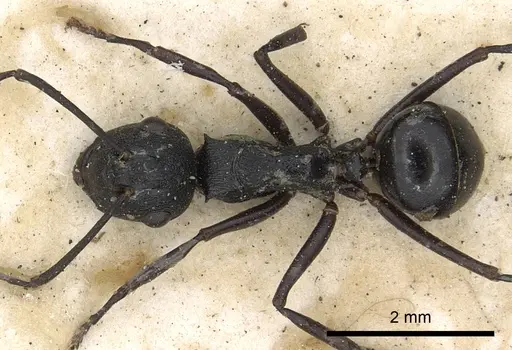
文献
分布マップを読み込み中...製品情報を読み込み中...