
Polyrhachis lauta
- 学名
- Polyrhachis lauta
- 亜属
- Myrma
- 族
- Camponotini
- 亜科
- Formicinae
- 命名者
- Santschi, 1910
- 分布
- 0 か国で発見
紹介
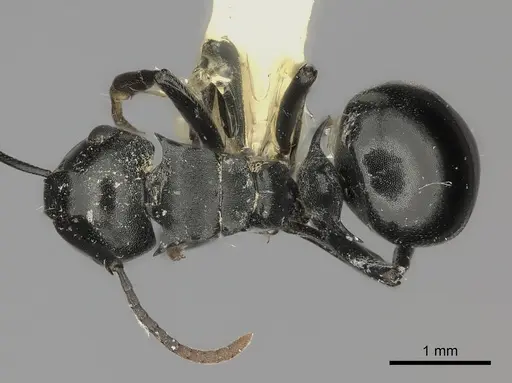
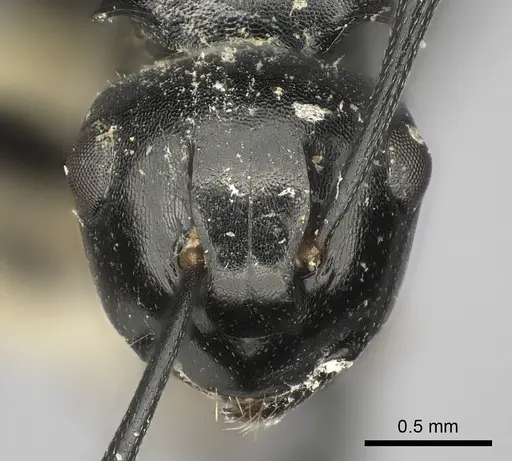
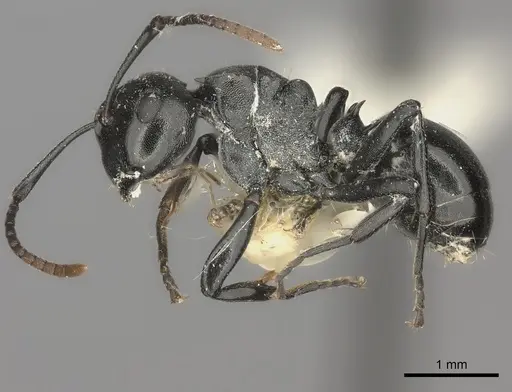
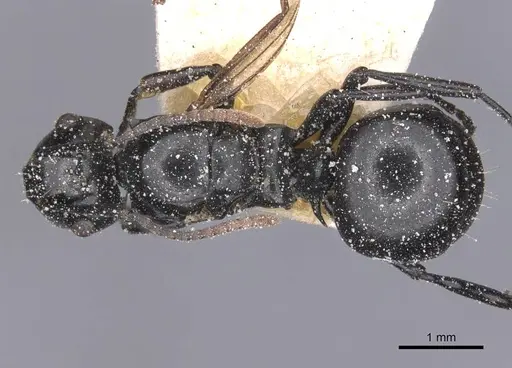
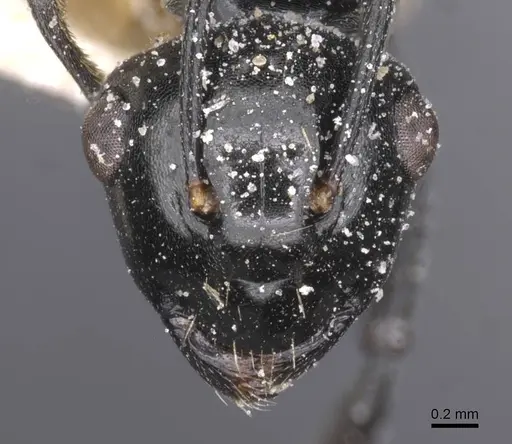
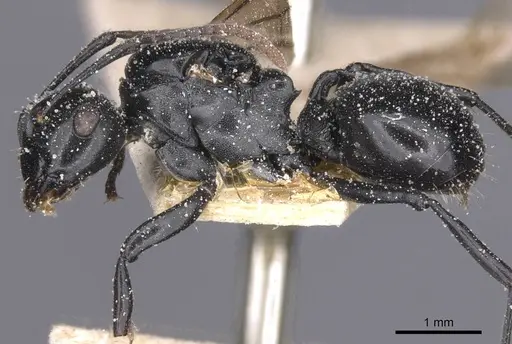
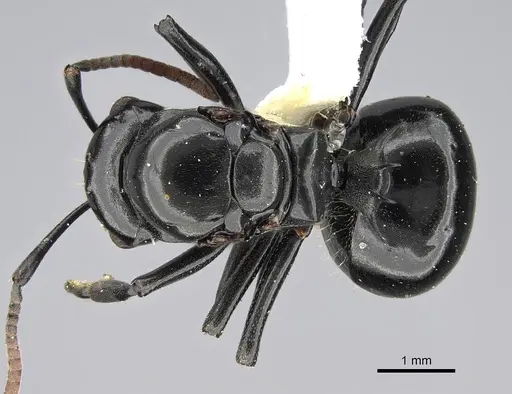
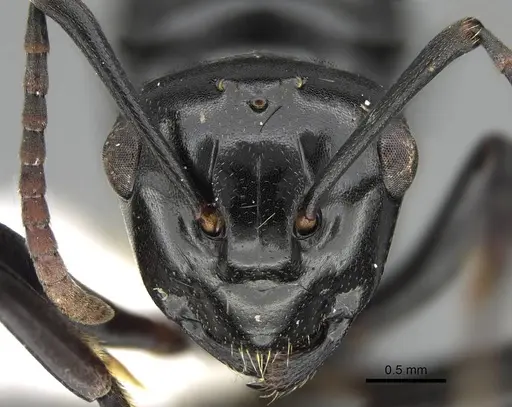
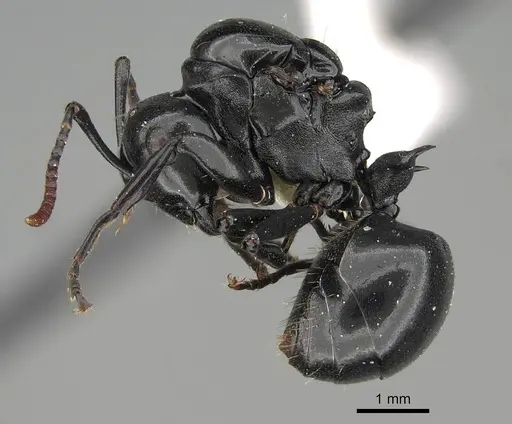
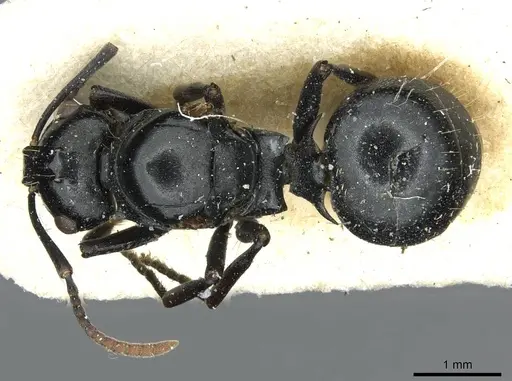
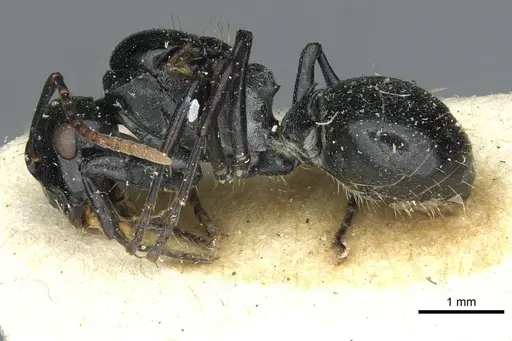
Polyrhachis lauta is a spiny ant native to the Democratic Republic of Congo in Central Africa . Like other Polyrhachis species, it has distinctive spines on the thorax and is part of a tropical genus known for arboreal nesting habits. Workers are active foragers, but specific size and behavior data are limited. Due to scarce scientific documentation, care guidelines are inferred from general Polyrhachis genus patterns .
Quick Summary
- Difficulty: Medium
- Origin & Habitat: Democratic Republic of Congo, tropical forest regions [1]
- Colony Type: Based on Polyrhachis genus patterns, likely monogyne (single queen), but unconfirmed for this species [2]
- Size & Growth:
- Queen: Inferred from Polyrhachis genus: ~10-12 mm [2]
- Worker: Inferred from Polyrhachis genus: ~6-9 mm [2]
- Colony: Up to several hundred workers [2]
- Growth: Moderate, inferred from genus patterns [2]
- Development: Estimated 6-8 weeks at 24-28°C, inferred from Polyrhachis genus [2] (Development time may vary with temperature conditions.)
- Antkeeping:
- Temperature: Keep warm at 24-28°C, inferred from tropical genus patterns [2]
- Humidity: Maintain moderate to high humidity, keep substrate slightly moist but not waterlogged [2]
- Diapause: No, as a tropical species, hibernation is not required [2]
- Nesting: Semi-arboreal, use Y-tong, plaster, or naturalistic setups with vertical surfaces [2]
- Behavior: Generally peaceful and active foragers, moderate escape risk due to size, so ensure proper containment [2]
- Common Issues: temperatures below 22°C can weaken the colony, low humidity can cause dehydration or mold growth, insufficient protein food can stunt colony development, escape risk if gaps are too large for their size
Housing and Nest Setup
Polyrhachis lauta does well in Y-tong (AAC) nests, plaster nests, or naturalistic setups with vertical surfaces, as inferred from Polyrhachis genus preferences [2]. Provide small twigs or cork bark to simulate arboreal habitat. The outworld should be simple with easy access to food and water. Ensure nest chambers are appropriately sized for the colony [2].
Feeding and Diet
Polyrhachis lauta is omnivorous, accepting varied diet based on genus patterns [2]. Offer protein sources like small insects 2-3 times per week and sugar sources like honey water constantly. Remove uneaten prey after 24-48 hours to prevent mold [2].
Temperature and Heating
As a tropical species, maintain temperatures between 24-28°C for optimal health, inferred from genus patterns [2]. Use a heating cable on one side of the nest to create a gradient. Avoid temperatures below 22°C [2].
Humidity and Water
Keep humidity moderate to high, substrate should feel slightly moist but not waterlogged [2]. Provide a water source in the outworld and mist occasionally, ensuring good ventilation to prevent mold [2].
Colony Founding
Founding behavior is unconfirmed for this species. If semi-claustral, queens may need to forage during founding, provide small food sources near the chamber [2]. Keep founding colonies warm and undisturbed [2].
Behavior and Temperament
Workers are generally peaceful and active foragers, with moderate escape risk due to their size [2]. They are not aggressive and lack a functional sting, instead spraying formic acid as a defense mechanism typical of Formicinae.
Frequently Asked Questions
How long does it take for Polyrhachis lauta to produce first workers?
Based on genus patterns, expect first workers in approximately 6-8 weeks at 24-28°C, inferred from Polyrhachis species [2].
What temperature do Polyrhachis lauta ants need?
Keep them warm at 24-28°C, as inferred from tropical genus patterns [2].
Do Polyrhachis lauta ants need hibernation?
No, hibernation is not required for this tropical species [2].
What do Polyrhachis lauta ants eat?
They are omnivorous, feed small insects for protein and sugar sources like honey water constantly, based on genus patterns [2].
Are Polyrhachis lauta good for beginners?
They are rated medium difficulty due to lack of species-specific data, some experience with tropical ants is helpful [2].
How big do Polyrhachis lauta colonies get?
Colonies likely reach up to several hundred workers, inferred from related Polyrhachis species [2].
Can I keep multiple Polyrhachis lauta queens together?
This species is likely monogyne, so combining queens is not recommended as they may fight [2].
What type of nest is best for Polyrhachis lauta?
Y-tong, plaster, or naturalistic setups with vertical surfaces work well, based on genus preferences [2].
Why is my Polyrhachis lauta colony declining?
Common causes include temperatures below 22°C, low humidity, or insufficient protein, ensure warm, humid conditions and regular feeding [2].
Report an Issue
The current care sheet is based fully on literature. See inconsistencies, or something that's incorrect? Please , it will be resolved after review from an admin. Contributing to the blogs tab also helps providing information, to make us be able to further improve the caresheets. Thank you for your support!
References

この飼育シートのライセンスは: CC BY-SA 4.0 .
コミュニティブログ
文献
分布マップを読み込み中...製品情報を読み込み中...