
Pogonomyrmex propinquus
- 学名
- Pogonomyrmex propinquus
- 族
- Pogonomyrmecini
- 亜科
- Myrmicinae
- 命名者
- Johnson, 2021
- 分布
- 0 か国で発見
紹介
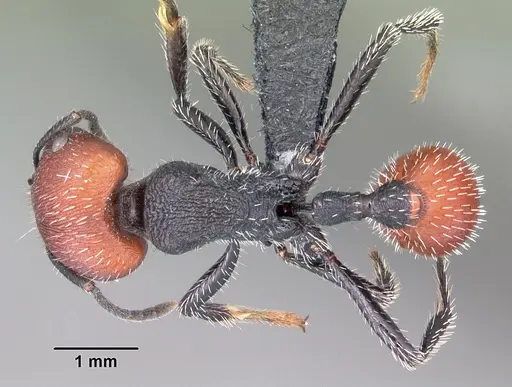
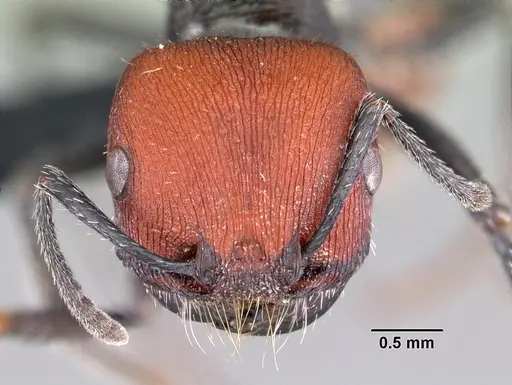
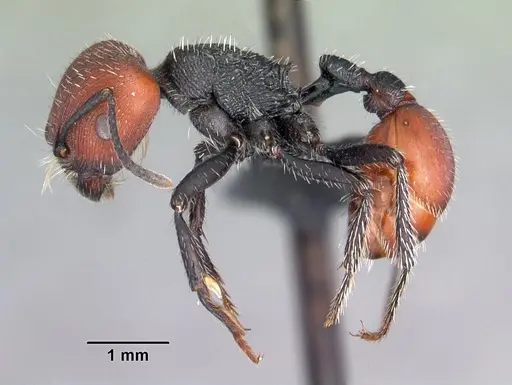
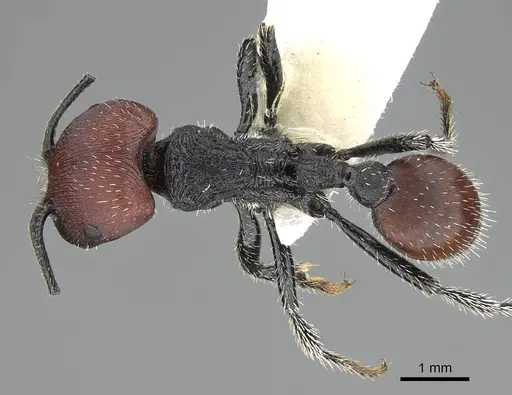
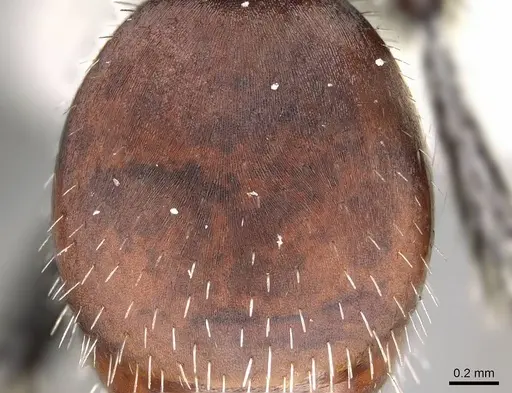
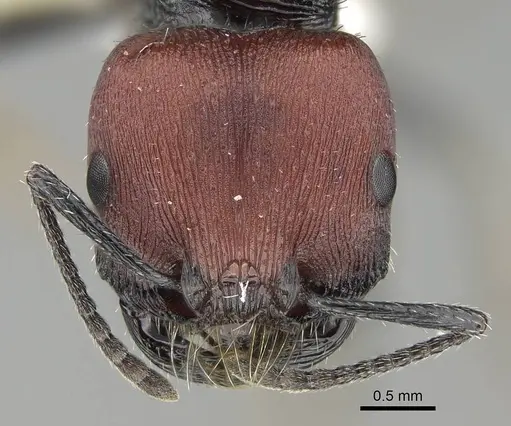
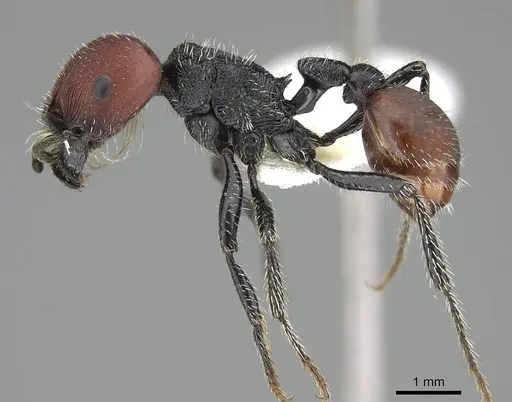
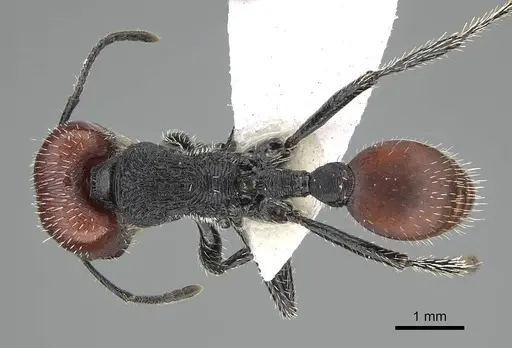
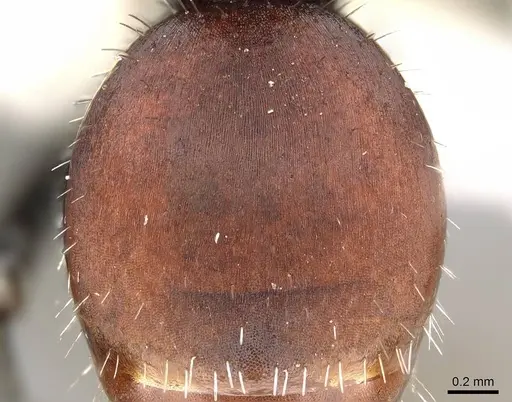
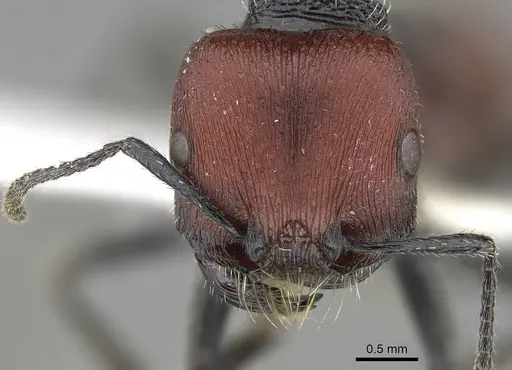
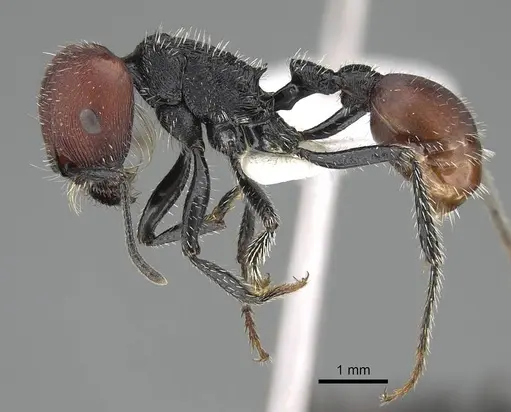
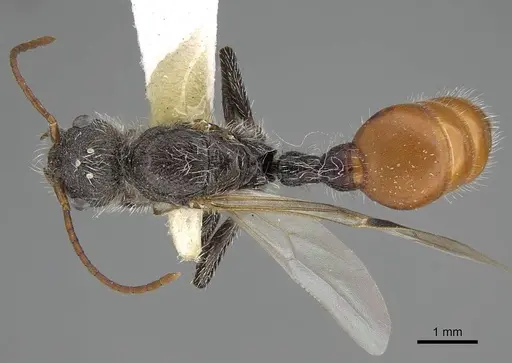
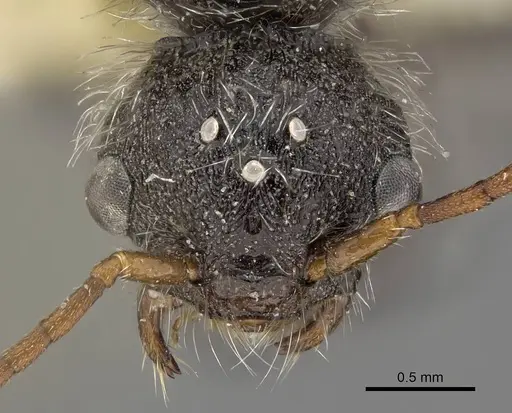
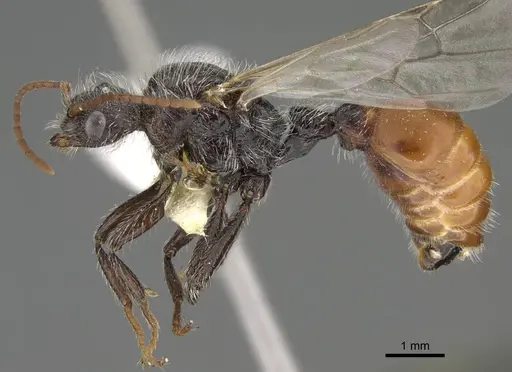
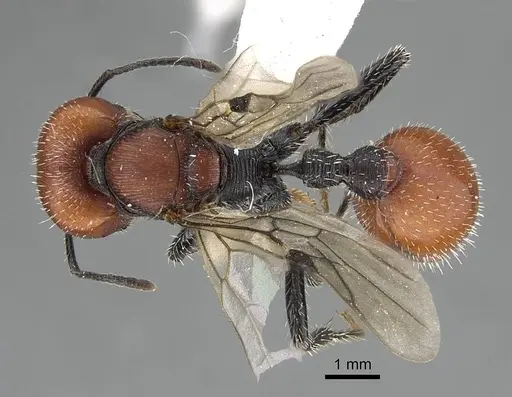
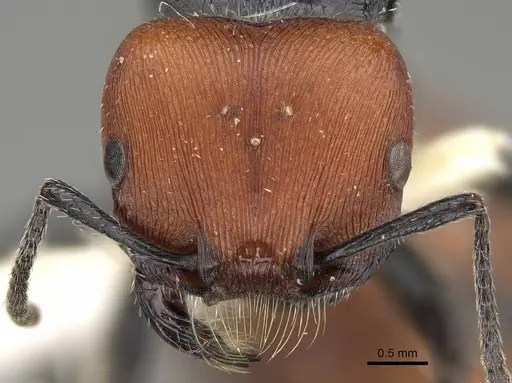
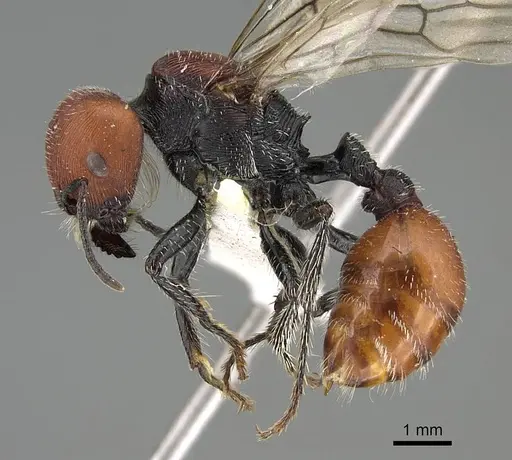
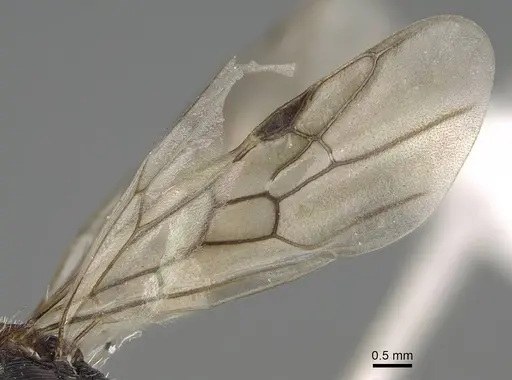
Pogonomyrmex propinquus is a seed-harvester ant native to central-western Argentina. Workers have a distinctive color pattern with the head and gaster ferruginous orange and the mesosoma black . Queens are larger than workers . This species inhabits elevations from 30-2135m in the Lower Monte and Dry Chaco ecoregions, specifically in San Luis and Mendoza provinces . Colonies average around 1000 workers plus larvae and pupae .
Quick Summary
- Difficulty: Medium
- Origin & Habitat: San Luis and Mendoza Provinces, Argentina (Lower Monte and Dry Chaco ecoregions,30-2135m elevation) [1]
- Colony Type: Colony structure is unconfirmed, but based on Pogonomyrmex genus patterns, likely monogyne (single-queen colonies)
- Size & Growth:
- Queen: Size data unavailable, no total length measurements provided in research
- Worker: Size data unavailable, no total length measurements provided in research
- Colony: Up to ~1000 workers [1]
- Growth: Moderate
- Development: Unknown, no specific data available for this species (Development time may vary with temperature and conditions)
- Antkeeping:
- Temperature: Keep warm and stable, roughly 24-30°C, based on native arid habitat [1]
- Humidity: Keep nest relatively dry with occasional moist areas, reflecting arid native habitat [1]
- Diapause: Based on genus patterns, likely requires winter diapause, provide cooler temperatures for 2-3 months during austral winter
- Nesting: Use dry, sandy substrate nests, Y-tong or plaster nests work well, inferred from genus preferences
- Behavior: Workers are active foragers with a moderate escape risk due to small size. Colonies are defensive when disturbed, but specific sting data is not available for this species.
- Common Issues: Overfeeding seeds can lead to mold in the nest, remove uneaten seeds regularly [1], Arid-adapted species is prone to fungal issues if kept too humid [1], Slow founding phase, queens may take months before first workers emerge, based on genus patterns, Winter dormancy is required for long-term colony health, inferred from genus patterns
Nest Preferences
Pogonomyrmex propinquus naturally nests in arid soil in the Monte and Dry Chaco regions of Argentina [1]. In captivity, these ants do well in Y-tong or plaster nests with a sandy substrate. Keep the nest relatively dry, excessive moisture leads to fungal problems. Provide a separate outworld for foraging and seed processing. The colony will create seed caches in the nest, so ensure some dry substrate is available for this behavior.
Feeding and Diet
As seed-harvester ants, Pogonomyrmex propinquus primarily collects and consumes seeds [1]. Offer a variety of small seeds such as grass seeds, millet, or commercial ant seed mixes. They will also accept small amounts of protein like crushed insects or mealworm pieces. Remove uneaten seeds regularly to prevent mold. Provide a constant water source.
Temperature and Seasonal Care
Maintain warm temperatures reflecting their native arid habitat [1]. A temperature gradient allows workers to choose their preferred zone. During the austral summer (December-February in their native range), reproductive flights occur and colonies are most active [1]. For overwintering, provide 2-3 months of cooler temperatures during what would be the austral winter (June-August), based on genus patterns.
Behavior and Temperament
Pogonomyrmex propinquus workers are active foragers that venture out to collect seeds [1]. They are defensive when threatened, but specific sting data is not available for this species. Handle colonies with care and use appropriate protective equipment when necessary. Workers are small, so standard escape prevention measures work well. Colonies maintain clear foraging trails and will establish seed-processing areas in the outworld.
Colony Founding
Founding behavior is unconfirmed for this species. Based on Pogonomyrmex genus patterns, queens may be claustral, sealing themselves in a chamber to raise the first brood alone using stored fat reserves. The founding process may take several months before the first workers emerge. During this time, the queen requires complete darkness and minimal disturbance.
Reproduction and Nuptial Flights
Mating flights occur during the austral summer, typically from late December through early February, and appear to be triggered by rainfall [1]. Reproductives (alates) are produced in nests from late December through early February [1]. If keeping colonies in the Northern Hemisphere, adjust expectations accordingly, flights may occur during local summer months if the colony's seasonal cycle is maintained.
Frequently Asked Questions
How long does it take for Pogonomyrmex propinquus to produce first workers?
No specific data is available for this species. Based on Pogonomyrmex genus patterns, it may take several months from founding to first workers, but this is unconfirmed.
What do Pogonomyrmex propinquus eat?
They are seed-harvesters, offer various small seeds (grass, millet, commercial seed mixes) [1]. They also accept small protein sources like crushed insects. Remove uneaten seeds to prevent mold.
Can I keep multiple Pogonomyrmex propinquus queens together?
Colony structure is unconfirmed, but based on genus patterns, this species is likely monogyne (single-queen). Keeping multiple queens together is not recommended without confirmation.
What temperature do Pogonomyrmex propinquus need?
Keep them warm at roughly 24-30°C, based on their native arid habitat [1].
Do Pogonomyrmex propinquus need hibernation?
Based on genus patterns, likely yes, provide a winter dormancy period of 2-3 months at cooler temperatures during austral winter.
How big do Pogonomyrmex propinquus colonies get?
Colonies average around 1000 workers in established nests [1].
Are Pogonomyrmex propinquus good for beginners?
They are intermediate difficulty. The founding phase may take patience, and their seed-harvesting behavior is interesting to observe, but specific care data is limited.
When do Pogonomyrmex propinquus have nuptial flights?
Mating flights occur during austral summer (December-February) and are triggered by rainfall [1].
What humidity level do Pogonomyrmex propinquus need?
Keep them relatively dry with occasional moist areas, reflecting their arid native habitat [1].
Report an Issue
The current care sheet is based fully on literature. See inconsistencies, or something that's incorrect? Please , it will be resolved after review from an admin. Contributing to the blogs tab also helps providing information, to make us be able to further improve the caresheets. Thank you for your support!
References

この飼育シートのライセンスは: CC BY-SA 4.0 .
コミュニティブログ
文献
分布マップを読み込み中...製品情報を読み込み中...