
Pogonomyrmex lagunabravensis
- 学名
- Pogonomyrmex lagunabravensis
- 族
- Pogonomyrmecini
- 亜科
- Myrmicinae
- 命名者
- Johnson, 2021
- 分布
- 0 か国で発見
紹介
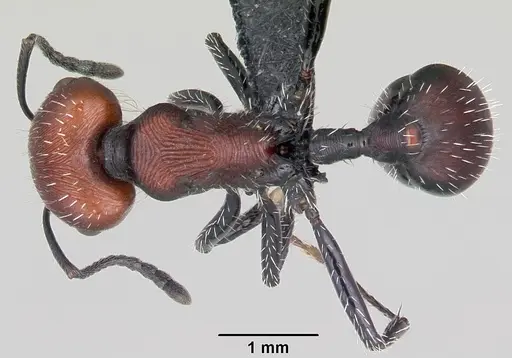
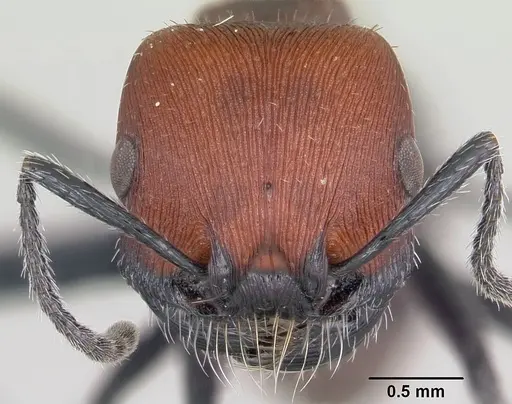
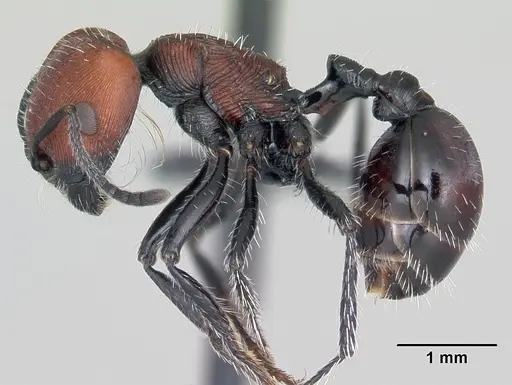
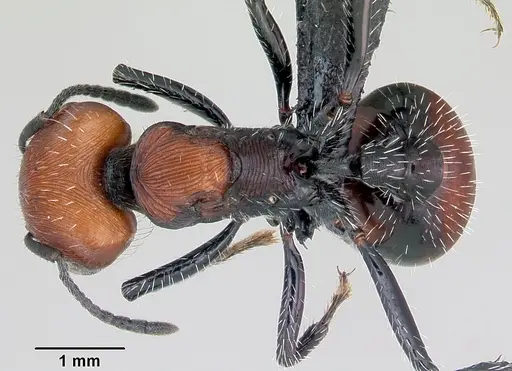
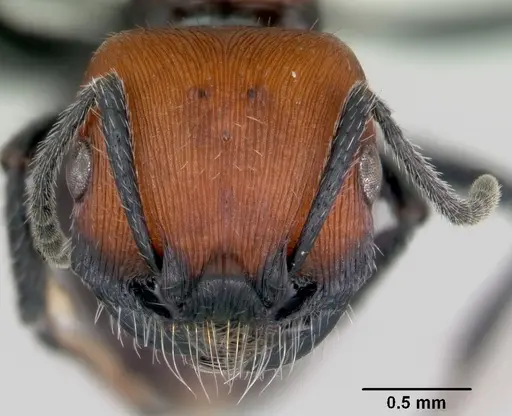
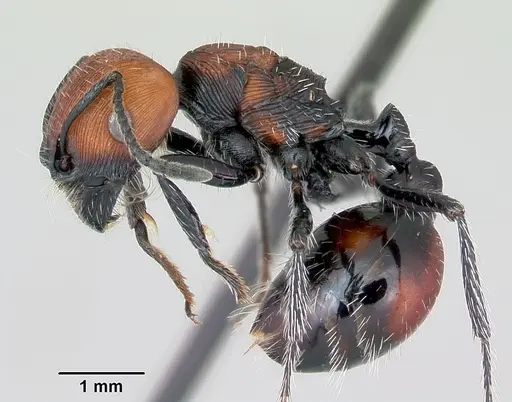
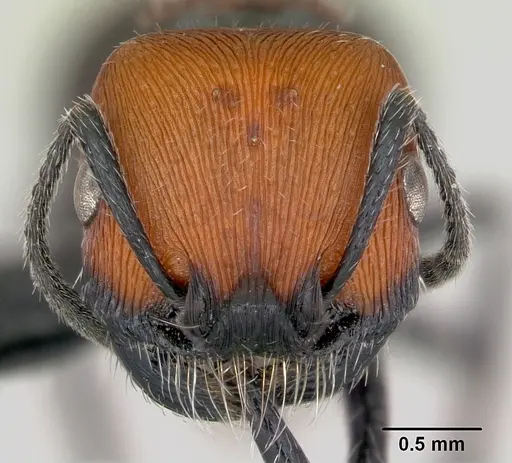
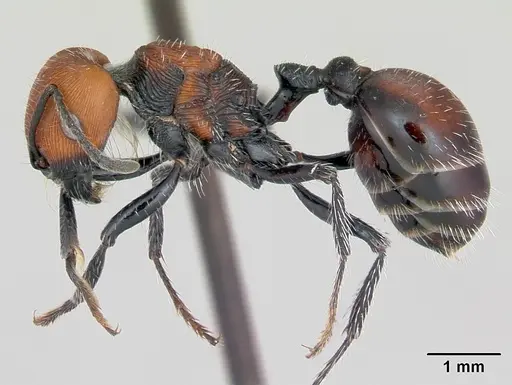
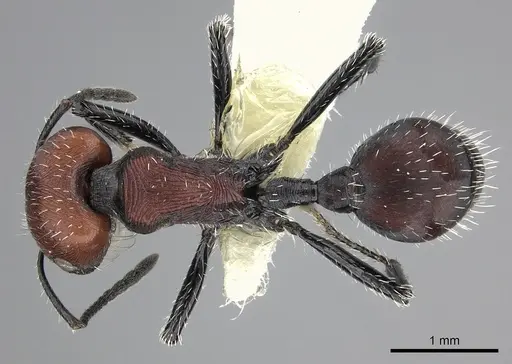
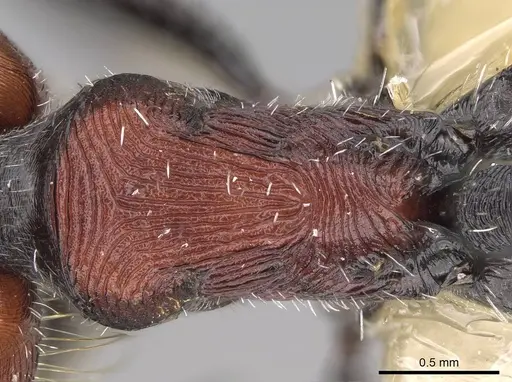
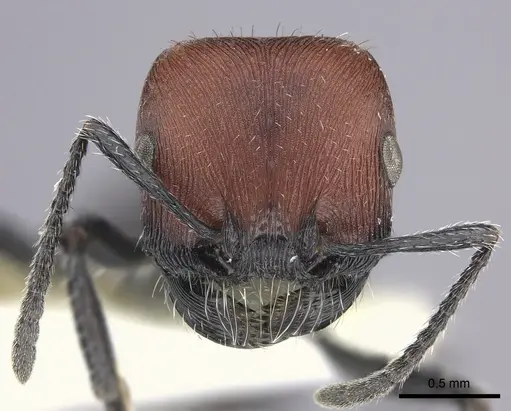
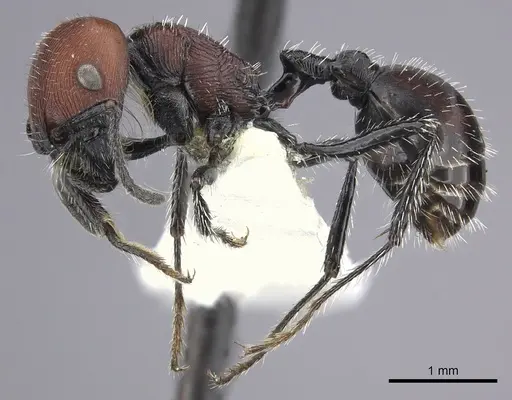
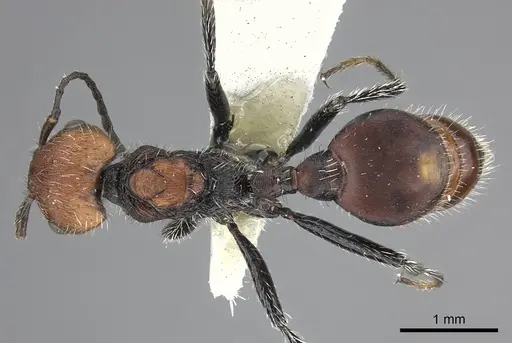
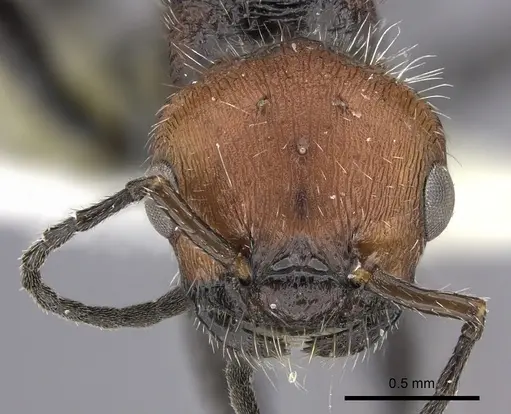
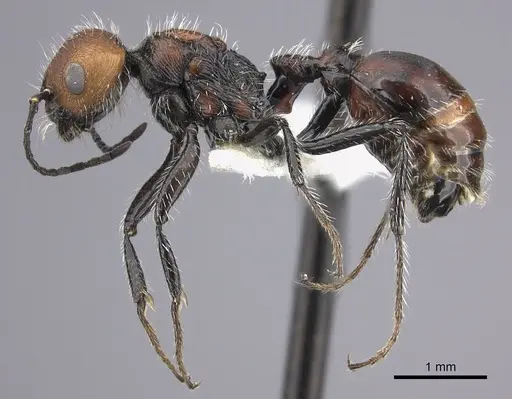
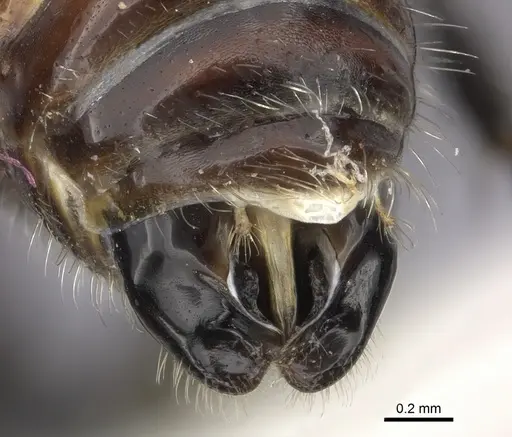
Pogonomyrmex lagunabravensis is a seed-harvester ant from high-altitude regions of Argentina. This species is one of only two known ants where both queens and males are ergatoid (permanently wingless) . Queens have fine longitudinal striae on the first abdominal segment . They inhabit the Central Andean puna ecoregion at elevations between 3465-3910 meters .
Quick Summary
- Difficulty: Medium
- Origin & Habitat: Argentina (La Rioja) in the Central Andean puna ecoregion at elevations of 3465-3910m [1]. The puna is a high-altitude desert-like plateau with sparse vegetation and extreme temperature fluctuations.
- Colony Type: Based on Pogonomyrmex patterns, likely monogyne with ergatoid queens [1].
- Size & Growth:
- Queen: Size data unavailable for this species [1].
- Worker: Size data unavailable for this species [1].
- Colony: Colony size data unavailable for this species.
- Growth: Moderate, inferred from Pogonomyrmex genus patterns [1].
- Development: Estimated 6-10 weeks based on related Pogonomyrmex species [1]. (Development is likely temperature-dependent.)
- Antkeeping:
- Temperature: Keep at cooler temperatures, around 18-24°C, based on their high-altitude origin [1].
- Humidity: Keep substrate relatively dry, as they inhabit arid puna regions [1].
- Diapause: Yes, likely required based on high-altitude origin, reduce temperatures to 10-15°C for 2-3 months during winter [1].
- Nesting: Y-tong or test tube setups work well, provide dry foraging areas [2].
- Behavior: Workers are active foragers and have a painful sting [2]. Escape risk is moderate due to their small size, use standard barrier methods.
- Common Issues: overheating is a major risk, their high-altitude origin makes them poorly adapted to heat, colonies may fail if humidity is too high, they prefer drier conditions, slow growth can frustrate beginners who overfeed and cause mold, test tube setups must have proper water reserves without flooding, seed-harvester ants need dry foraging areas
The Ergatoid Trait - What Makes This Species Unique
Pogonomyrmex lagunabravensis is one of only two known ant species where both sexual castes are ergatoid (permanently wingless) [1]. This means queens and males cannot fly and mate on foot instead of in aerial nuptial flights [1]. For antkeepers, colony reproduction occurs locally rather than through dispersing alates [1].
Housing and Nest Setup
For this high-altitude species, keep temperatures on the cooler side, a range of 18-24°C is ideal [1]. A Y-tong nest or test tube setup with dirt substrate works well [2]. Provide a dry foraging area since they come from arid puna conditions [1]. Use standard escape prevention methods [2].
Feeding and Diet
As seed-harvester ants, the primary food source is seeds [1]. Offer small seeds like millet or sesame, and supplement with protein sources like small insects [2]. Feed seeds continuously and remove uneaten seeds to prevent mold [2].
Temperature and Seasonal Care
This species is adapted to high-altitude conditions, meaning they prefer cooler temperatures [1]. Keep them at room temperature and avoid heat sources [1]. During winter, simulate natural dormancy by reducing temperatures to 10-15°C for 2-3 months [1].
Behavior and Defense
Pogonomyrmex ants have a painful sting due to alkaloid venom [2]. Workers are moderately aggressive when defending the nest [2]. They are diurnal foragers, active during cooler parts of the day [2].
Frequently Asked Questions
Are Pogonomyrmex lagunabravensis good for beginners?
This species is rated as medium difficulty. Beginners should understand their need for cooler temperatures and drier conditions [1][2].
How long does it take for the first workers to hatch?
Based on related species, expect 6-10 weeks from egg to first worker at optimal temperatures [1].
Do Pogonomyrmex lagunabravensis queens fly?
No, both queens and males are ergatoid (permanently wingless) and mate on foot [1].
What temperature do they need?
Keep them at 18-24°C, as they prefer cooler conditions due to their high-altitude origin [1].
Do they need hibernation or diapause?
Yes, they likely require a winter dormancy period, reduce temperatures to 10-15°C for 2-3 months [1].
What do Pogonomyrmex lagunabravensis eat?
They are seed-harvester ants, so seeds should be their primary food, supplemented with protein [1][2].
Can I keep multiple queens together?
Pogonomyrmex species are typically monogyne, but research on this species is unconfirmed [1]. Combining queens is not recommended.
When should I move them to a formicarium?
Keep new colonies in a test tube setup for several months until they have more workers [2].
Why are my ants dying?
Common causes include overheating, excessive humidity, mold from overfeeding, or disturbing the queen during founding [1][2].
Report an Issue
The current care sheet is based fully on literature. See inconsistencies, or something that's incorrect? Please , it will be resolved after review from an admin. Contributing to the blogs tab also helps providing information, to make us be able to further improve the caresheets. Thank you for your support!
References

この飼育シートのライセンスは: CC BY-SA 4.0 .
コミュニティブログ

文献
分布マップを読み込み中...製品情報を読み込み中...