
Plagiolepis rogeri
- 学名
- Plagiolepis rogeri
- 族
- Plagiolepidini
- 亜科
- Formicinae
- 命名者
- Forel, 1894
- 分布
- 0 か国で発見
紹介
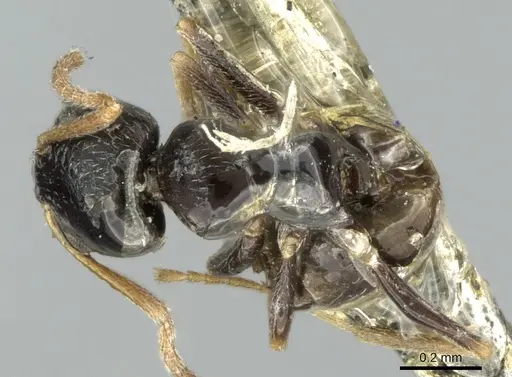
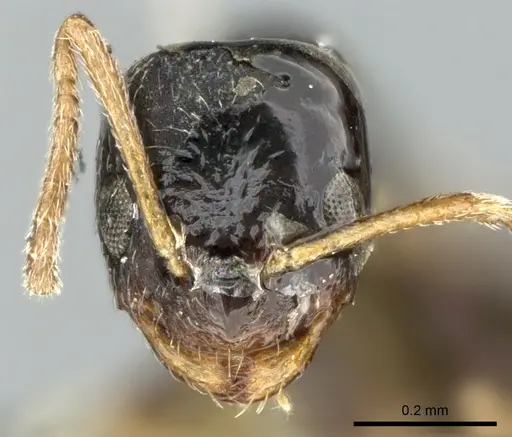
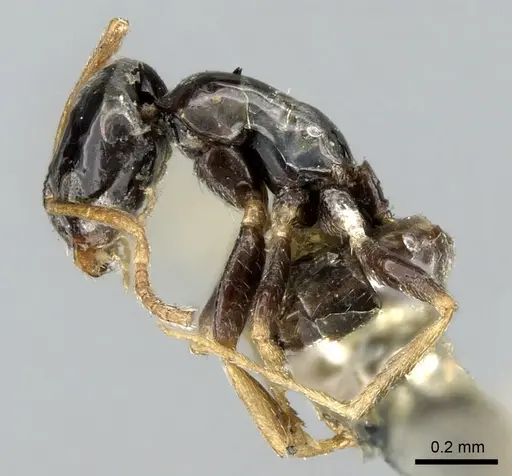
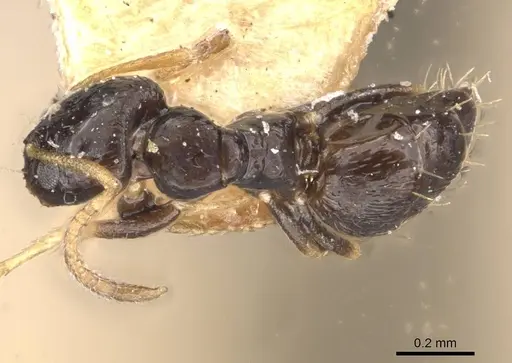
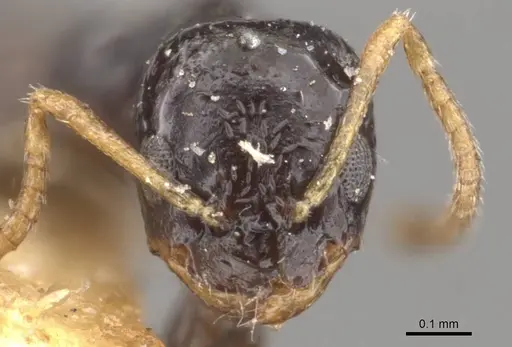
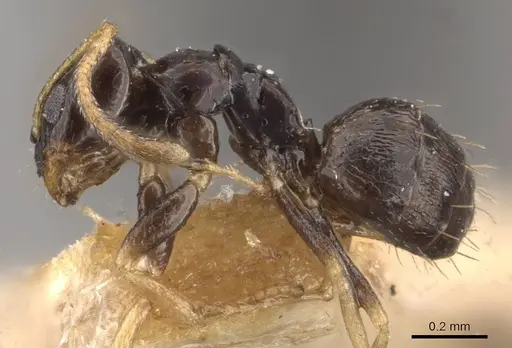
Plagiolepis rogeri is a tiny ant species native to India, with workers measuring 1.5 mm . They belong to the Formicinae subfamily and are closely related to Plagiolepis jerdonii, with similar yellowish coloration but distinguished by their finely striated head and more abundant body hairs . These ants are recorded from Karnataka and West Bengal in India . Their small size and docile nature make them suitable for antkeepers, but escape prevention is critical due to their tiny dimensions.
Quick Summary
- Difficulty: Easy
- Origin & Habitat: India, specifically Karnataka and West Bengal, in tropical and subtropical regions [2].
- Colony Type: Colony structure is unconfirmed. No specific data on queen number or social structure is available.
- Size & Growth:
- Queen: Size data unavailable, no total length measurements provided for queens.
- Worker: 1.5 mm [1]
- Colony: Estimated up to 500 workers at maturity, based on typical Plagiolepis patterns.
- Growth: Moderate
- Development: Estimated 6-8 weeks at optimal temperature, based on related Formicinae species. (Timeline is inferred, this species has not been directly studied for development times.)
- Antkeeping:
- Temperature: Keep at 22-26°C, inferred from their tropical Indian habitat [1].
- Humidity: Keep substrate lightly moist but allow some drying between waterings, based on typical moderate humidity needs [1].
- Diapause: Unknown, tropical species may not require hibernation, but no specific data exists.
- Nesting: Small chambers work best for their tiny size. Test tubes with cotton stops or Y-tong nests with fine chambers are suitable.
- Behavior: Workers are docile and non-aggressive, with no known stinging ability. Their tiny size (1.5 mm) makes escape prevention critical, they can squeeze through small gaps [1].
- Common Issues: escape prevention is critical due to their tiny 1.5 mm size., small colony size means slower population growth, patience is required., test tube setups need careful water management to avoid flooding., wild-caught colonies may have parasites affecting survival., overfeeding can lead to mold issues in small nests.
Housing and Nest Setup
Because Plagiolepis rogeri workers are only 1.5 mm, they need appropriately scaled housing. Test tube setups work well with small-diameter tubes and cotton stops for water reservoirs. For formicariums, choose nests with small chambers and narrow tunnels, such as Y-tong nests with fine chambers. Avoid large open spaces. Escape prevention is critical, use fine mesh (0.5 mm or tighter) on all openings and apply fluon barriers [1].
Feeding and Diet
These ants are omnivorous with a preference for sweet liquids. Offer sugar water, honey, or diluted honeydew regularly. For protein, provide small prey like fruit flies or pinhead crickets, sized appropriately for their 1.5 mm workers. Feed protein every 2-3 days and keep sugar sources available constantly.
Temperature and Seasonal Care
Plagiolepis rogeri originates from warm climates in India, so keep temperatures at 22-26°C. Room temperature within this range is usually sufficient. If cooler, use a heating cable on one side to create a gradient. In winter, a slight reduction to 18-20°C may be appropriate if the colony shows reduced activity, but hibernation is unlikely for this tropical species.
Colony Development and Growth
This species has not been directly studied for development times. Based on related Formicinae ants, expect first workers to emerge roughly 6-8 weeks after egg laying at optimal temperature. Initial growth is slow, then accelerates once workers emerge. Colonies likely max out at a few hundred workers.
Behavior and Temperament
Plagiolepis rogeri is peaceful and non-aggressive. Workers are active foragers but pose no threat due to their small size. They lack painful stings or chemical defenses. The main concern is escape ability, excellent prevention is mandatory [1].
Frequently Asked Questions
How long does it take for Plagiolepis rogeri to produce first workers?
Based on related Formicinae species, expect first workers approximately 6-8 weeks after eggs are laid at optimal temperature. This is an estimate since this species has not been directly studied.
What do Plagiolepis rogeri ants eat?
They are omnivorous. Offer sugar water, honey, or honeydew regularly and small protein sources like fruit flies every 2-3 days, sized for their 1.5 mm workers.
How big do Plagiolepis rogeri colonies get?
Colony size is estimated up to 500 workers at maturity based on typical Plagiolepis patterns.
What temperature do Plagiolepis rogeri need?
Keep them at 22-26°C, inferred from their tropical Indian habitat [1].
Are Plagiolepis rogeri good for beginners?
Yes, they are considered easy to keep due to their docile nature. The main challenge is escape prevention due to their tiny size [1].
Do Plagiolepis rogeri need hibernation?
Unknown, as a tropical species, hibernation is unlikely, but no specific data exists.
How do I prevent Plagiolepis rogeri from escaping?
Use fine mesh (0.5 mm or tighter) on all openings and apply fluon barriers to container rims [1].
Can I keep multiple Plagiolepis rogeri queens together?
This has not been documented. Most Plagiolepis species are single-queen, and combining unrelated queens is not recommended.
When should I move Plagiolepis rogeri to a formicarium?
Move them when the test tube setup becomes crowded, typically around 50+ workers. Ensure the new nest has small chambers suited to their size.
Report an Issue
The current care sheet is based fully on literature. See inconsistencies, or something that's incorrect? Please , it will be resolved after review from an admin. Contributing to the blogs tab also helps providing information, to make us be able to further improve the caresheets. Thank you for your support!
References

この飼育シートのライセンスは: CC BY-SA 4.0 .
コミュニティブログ
文献
分布マップを読み込み中...製品情報を読み込み中...