
Pheidole mutisi
- 学名
- Pheidole mutisi
- 族
- Attini
- 亜科
- Myrmicinae
- 命名者
- Fernández & Wilson, 2008
- 分布
- 0 か国で発見
紹介
Pheidole mutisi is a Neotropical ant species belonging to the Pheidole diligens group, native to montane humid forests in Colombia . It was described in 2008 and named after José Celestino Mutis, an 18th-century naturalist . The species is distinguished by very long propodeal spines that surpass the petiole length and a smooth, shining body lacking pilosity in major workers . Major workers are light brown with dark brown mandibles, while minor workers are entirely light brown . Worker size is approximately 2-4 mm, inferred from Pheidole genus patterns . The species is known only from the type locality in Nariño, Colombia, at 1200m elevation, with additional reports from French Guiana .
Quick Summary
- Difficulty: Medium
- Origin & Habitat: Native to montane humid forests in Nariño, Colombia, at 1200m elevation [1]. Also reported in French Guiana [2][3][4].
- Colony Type: Unconfirmed, queen has not been described [1]. Based on Pheidole patterns, likely monogyne (single queen colonies).
- Size & Growth:
- Queen: Unknown, queen has not been described in scientific literature [1]
- Worker: ~2-4 mm, inferred from Pheidole genus [1]
- Colony: Unknown, no colony size data available
- Growth: Moderate, inferred from typical Pheidole development
- Development: Estimated 6-8 weeks based on typical Pheidole patterns (Development timeline not directly studied, temperature affects speed, warmer conditions accelerate growth.)
- Antkeeping:
- Temperature: Keep at 22-26°C. As a montane species, they prefer cooler conditions]
- Humidity: Keep nest substrate consistently moist but not waterlogged]
- Diapause: Unknown, no specific data on overwintering requirements [1]
- Nesting: Standard test tube setups work for founding. Once established, Y-tong nests, plaster nests, or soil nests are suitable
- Behavior: Pheidole mutisi is part of the Attini tribe, which are seed-harvesting ants. They likely forage for seeds and small insects. Major workers have a functional stinger but are not aggressive, pain is mild. Escape risk is moderate due to small size.
- Common Issues: queen identification is difficult since the queen has never been described, ensure you have a correctly identified founding queen [1], limited distribution data means conditions are estimates, monitor colony response and adjust accordingly, humidity control is important, too dry and brood dies, too wet and mold becomes a problem, test tube flooding can kill founding colonies, keep water reservoirs appropriately sized
Housing and Setup
For a newly caught queen, a simple test tube setup works well for the founding stage. Fill a test tube about one-third with water, plug with a cotton ball, then introduce the queen. Cover the setup with a dark cloth to reduce stress, queens prefer dark, quiet conditions while sealed in their founding chamber. Once the first workers emerge and the colony grows, transition to a proper formicarium. Y-tong nests, plaster nests, or soil nests work well for Pheidole species. Ensure the nest has moist chambers for brood development but also some drier areas so workers can self-regulate humidity. An outworld area allows for foraging and waste disposal. Standard escape prevention with fluon on container edges works adequately for this species. [1]
Feeding and Diet
Pheidole mutisi belongs to the Attini tribe, meaning they are primarily seed-harvesting ants. In captivity, offer a variety of seeds such as millet, chia, or flax. Crush larger seeds to make them easier for majors to process. They also need protein sources like small insects (e.g., fruit flies or mealworm pieces). Sugar water or honey can be offered occasionally, though Pheidole species focus more on seeds. Feed seeds continuously and offer protein every 2-3 days. Remove uneaten food promptly to prevent mold.
Temperature and Seasonal Care
As a montane forest species from 1200m elevation in Colombia, Pheidole mutisi likely prefers temperatures in the 22-26°C range]. Room temperature within this range works well. If your room is cooler, a heating cable on one side of the nest can create a beneficial gradient. Place heating on top of the nest to avoid evaporating moisture too quickly. Monitor colony activity to adjust temperature. Regarding diapause, no specific data exists, as a Colombian ant from moderate elevation, they may not require true hibernation but could benefit from a slight cooldown period during cooler months.
Colony Development and Growth
Pheidole colonies grow through defined stages. After the queen seals herself in, she survives on stored fat reserves and lays eggs. Eggs develop through larva and pupa stages before workers emerge. This process takes approximately 6-8 weeks under optimal conditions, though it varies with temperature. Once workers emerge, the queen resumes egg-laying, and the colony enters a growth phase. Major workers appear as the colony reaches several dozen workers. Colony growth is moderate, and healthy colonies can reach several hundred workers within a year under good conditions.
Frequently Asked Questions
How long does it take for Pheidole mutisi to raise first workers?
Estimated 6-8 weeks from egg to first worker under optimal conditions (around 24°C), based on typical Pheidole patterns. Cooler temperatures will slow development.
What do Pheidole mutisi ants eat?
They are seed-harvesting ants. Offer various small seeds (e.g., millet, chia) and protein sources like small insects. Crush larger seeds for easier processing by major workers.
What temperature is best for Pheidole mutisi?
Keep them at 22-26°C. As a montane species from 1200m elevation in Colombia, they prefer slightly cooler conditions].
How big do Pheidole mutisi colonies get?
Colony size is not documented for this specific species. Typical Pheidole colonies can reach several hundred workers.
Can I keep multiple queens together?
Not recommended. Pheidole mutisi is likely a single-queen species. Combining unrelated queens has not been documented and typically results in fighting.
Do Pheidole mutisi need hibernation?
Unknown for this specific species. As a Colombian ant from moderate elevation, they may not require true hibernation but could benefit from a slight cooldown period.
What type of nest is best for Pheidole mutisi?
Standard test tubes work for founding. Once established, Y-tong nests, plaster nests, or soil nests are suitable. Ensure moist substrate for brood chambers.
Why is my colony not growing?
Common causes include temperatures too low, humidity issues, poor nutrition, or stress from disturbance. Check all parameters and ensure the queen is healthy.
Are Pheidole mutisi good for beginners?
They are moderate difficulty. The main challenge is that this is a poorly-documented species, so you may need to adjust conditions based on colony response.
Report an Issue
The current care sheet is based fully on literature. See inconsistencies, or something that's incorrect? Please , it will be resolved after review from an admin. Contributing to the blogs tab also helps providing information, to make us be able to further improve the caresheets. Thank you for your support!
References

この飼育シートのライセンスは: CC BY-SA 4.0 .
コミュニティブログ
ECOFOG-CSG15-0307-02
AntWebで見る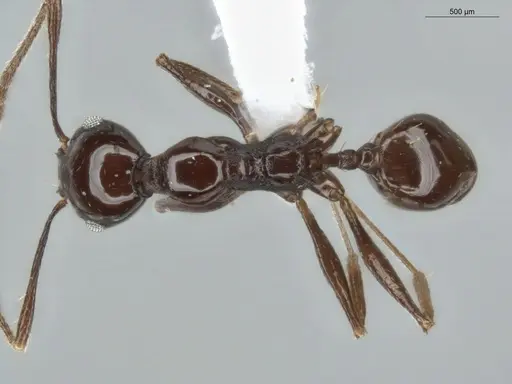
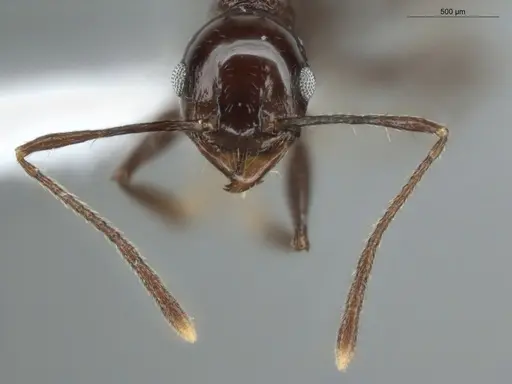
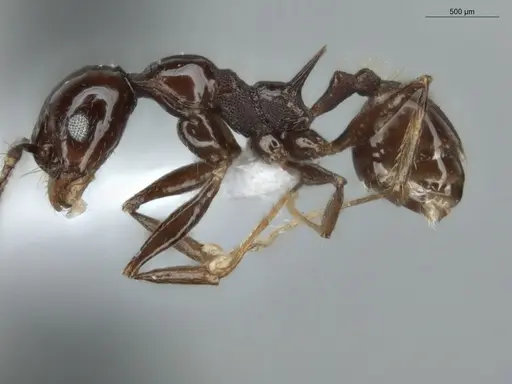
文献
分布マップを読み込み中...製品情報を読み込み中...