
Pheidole malinsii
- 学名
- Pheidole malinsii
- 族
- Attini
- 亜科
- Myrmicinae
- 命名者
- Forel, 1902
- 分布
- 0 か国で発見
紹介
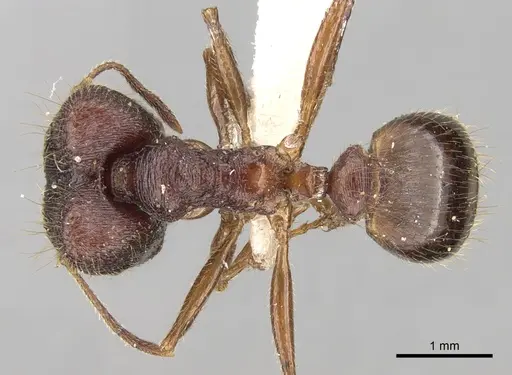
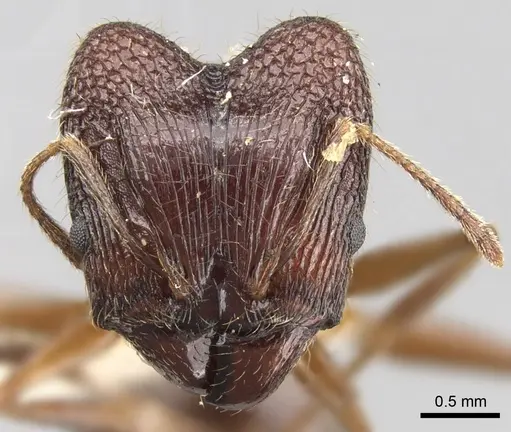
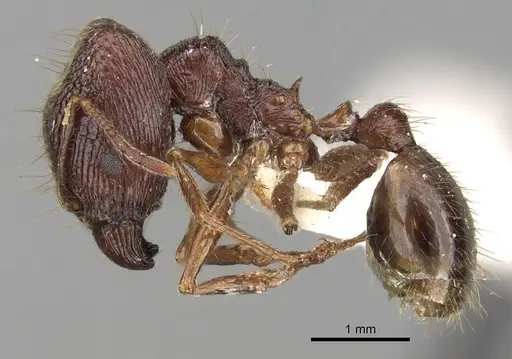
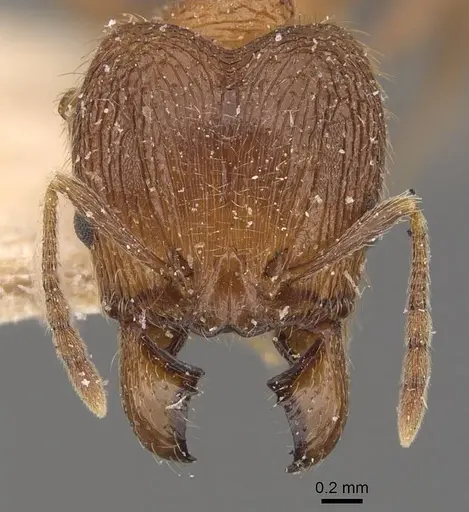
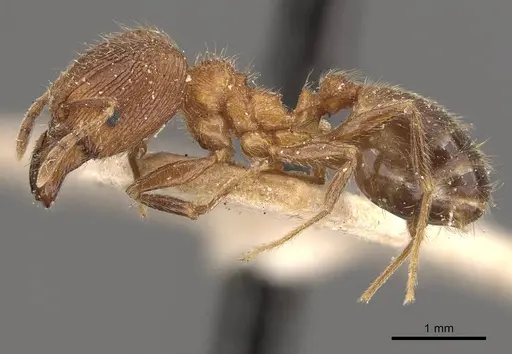
Pheidole malinsii is a small ant species with dark brown workers measuring 4.5-5 mm in length . It has distinct minor and major castes, with majors having enlarged heads for seed processing. Originally described from Sri Lanka in 1902,this species is found across the Indomalayan region including India, Sri Lanka, and southern China . In India, it is recorded in states like Haryana, Meghalaya, Sikkim, Tamil Nadu, and West Bengal . These ants inhabit mountainous areas at elevations between 1000-3000 meters .
Quick Summary
- Difficulty: Medium
- Origin & Habitat: Mountainous regions of India, Sri Lanka, and southern China at 1000-3000m elevation [4][3]. They prefer cooler, temperate conditions.
- Colony Type: Colony structure is unconfirmed. Pheidole species are typically monogyne (single queen colonies), but no specific data exists for P. malinsii.
- Size & Growth:
- Queen: Size data unavailable, no total length measurements in research
- Worker: 4.5-5 mm [1]
- Colony: Up to a few thousand workers, estimated from genus patterns
- Growth: Moderate, estimated from genus patterns
- Development: 6-10 weeks, estimated based on typical Pheidole development (Development time is estimated as no specific data exists for this species.)
- Antkeeping:
- Temperature: Keep at room temperature around 23-25°C, with a slight heat gradient if needed. Avoid temperatures above 28°C due to their high-altitude origin [4].
- Humidity: Keep the nest substrate consistently moist but not waterlogged. Provide a humidity gradient if possible.
- Diapause: Unknown, no specific data on winter diapause requirements.
- Nesting: Use nests with chambers scaled to their size, such as Y-tong (AAC) or plaster nests. Provide connecting tubes to an outworld. Based on typical Pheidole habitat, they likely nest in soil or rotting wood.
- Behavior: Based on genus patterns, Pheidole species are typically docile and non-aggressive. They are seed-harvesters with majors that process hard seeds. Minor sting risk due to small size. Escape prevention should be moderate for their 4-5 mm size.
- Common Issues: temperatures above 28°C can be lethal due to their high-altitude origin [4], overfeeding can lead to mold and colony decline, wild-caught colonies may have parasites that are hard to detect, inadequate humidity can cause brood desiccation
Nest Preferences
In the wild, Pheidole malinsii likely nests in soil or rotting wood in mountainous forest habitats. For captive care, use Y-tong (AAC) or plaster nests with appropriate humidity control. Connect the nest to an outworld using tubing. Keep the nest area dark and undisturbed, especially during founding.
Feeding and Diet
Pheidole species are typically seed-harvesters. Offer seeds like millet, chia, or bird seed, and supplement with protein sources like fruit flies or mealworm pieces. Sugar water can be offered occasionally. Remove uneaten food to prevent mold.
Temperature and Seasonal Care
Maintain temperatures around 23-25°C, avoiding above 28°C due to their high-altitude origin [4]. Room temperature is ideal. If the colony slows in winter, reduce temperatures to 15-20°C for a few months, but diapause requirements are unknown.
Behavior and Colony Structure
Pheidole malinsii has minor workers for foraging and majors with enlarged heads for seed processing. Colonies are not aggressive and rarely sting. Workers use chemical trails for communication. Expect active foraging, especially in evenings.
Frequently Asked Questions
How long does it take for Pheidole malinsii to produce first workers?
Estimated 6-10 weeks from egg to first worker based on typical Pheidole development patterns. No specific data exists for this species.
What do Pheidole malinsii ants eat?
They are seed-harvesters, offer small seeds and protein sources like fruit flies or mealworm pieces.
Can I keep multiple Pheidole malinsii queens together?
Not recommended. Pheidole species are typically single-queen colonies, and combining unrelated queens may result in fighting.
What temperature is best for Pheidole malinsii?
Keep them at 23-25°C, avoiding above 28°C due to their high-altitude origin [4].
Are Pheidole malinsii good for beginners?
Moderate difficulty, they require attention to cooler temperatures and have slow colony growth.
When should I move Pheidole malinsii to a formicarium?
Wait until the colony has 50-100 workers and the test tube is crowded. Use a small nest with connected outworld.
How big do Pheidole malinsii colonies get?
Up to a few thousand workers, estimated from genus patterns. Growth is moderate and takes patience.
Do Pheidole malinsii need hibernation?
Unknown. If the colony slows in winter, you can reduce temperatures, but specific requirements are unconfirmed.
Why are my Pheidole malinsii dying?
Common causes: temperatures above 28°C, overfeeding leading to mold, or parasites from wild-caught colonies. Ensure proper temperature and remove uneaten food.
Report an Issue
The current care sheet is based fully on literature. See inconsistencies, or something that's incorrect? Please , it will be resolved after review from an admin. Contributing to the blogs tab also helps providing information, to make us be able to further improve the caresheets. Thank you for your support!
References

この飼育シートのライセンスは: CC BY-SA 4.0 .
コミュニティブログ
文献
分布マップを読み込み中...製品情報を読み込み中...