
Ooceraea papuana
- 学名
- Ooceraea papuana
- 亜科
- Dorylinae
- 命名者
- Emery, 1897
- 分布
- 0 か国で発見
紹介
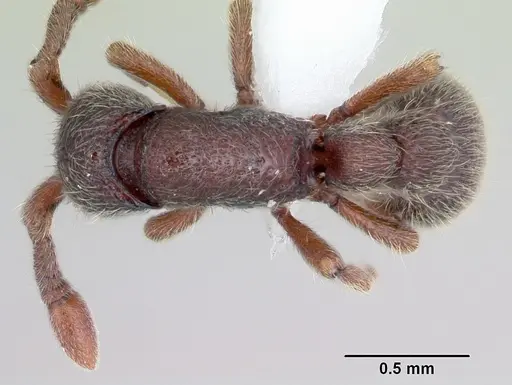
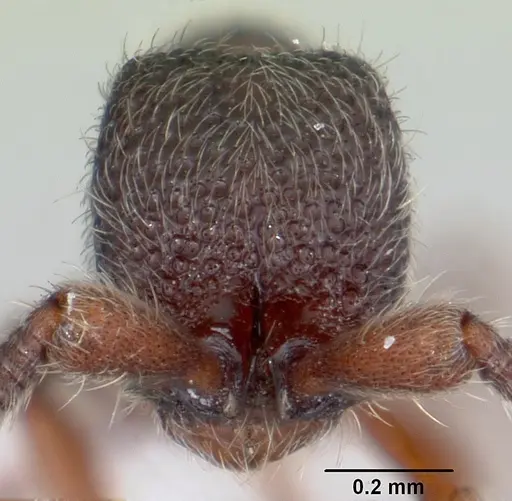
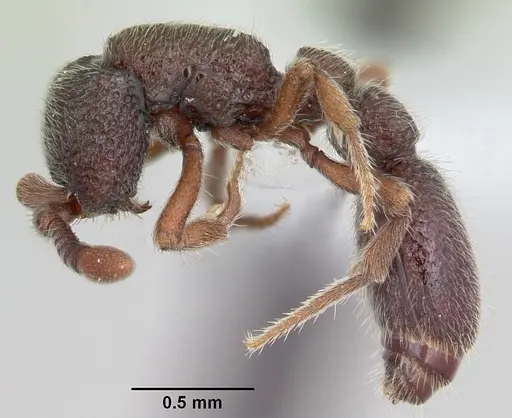
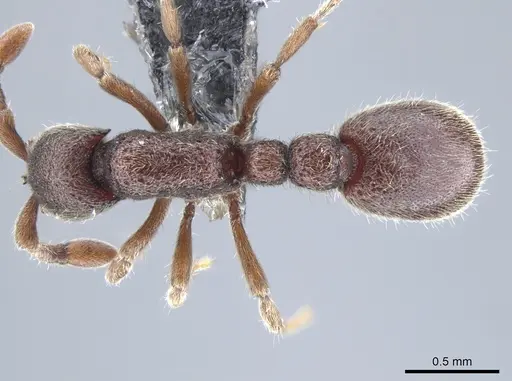
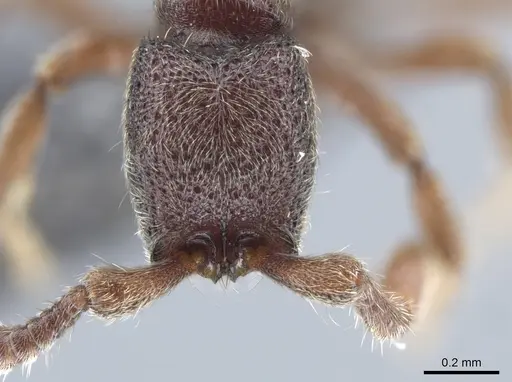
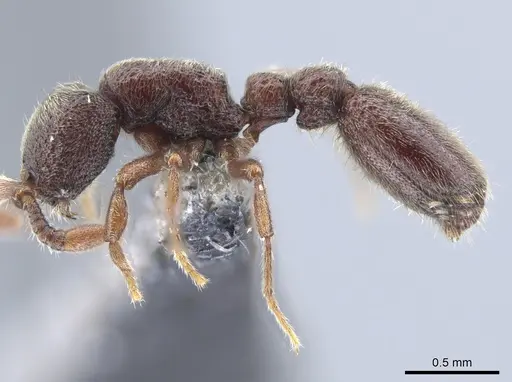
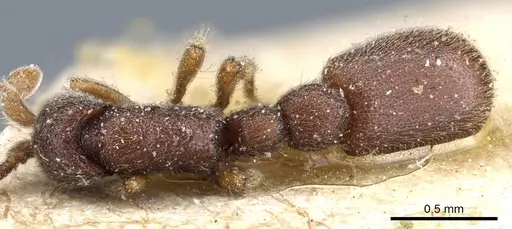
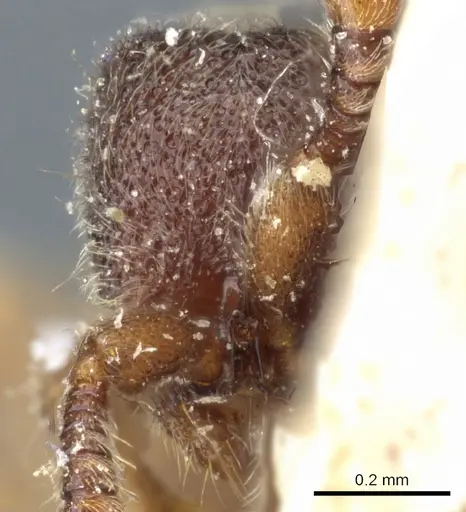
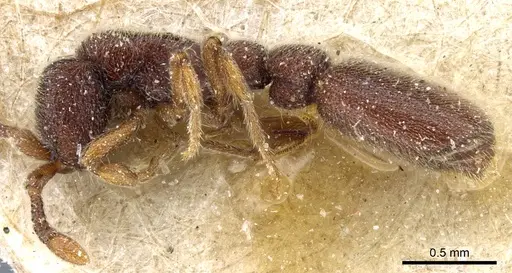
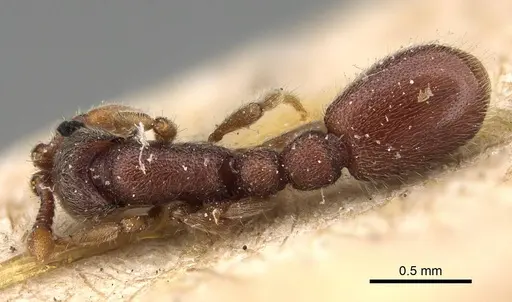
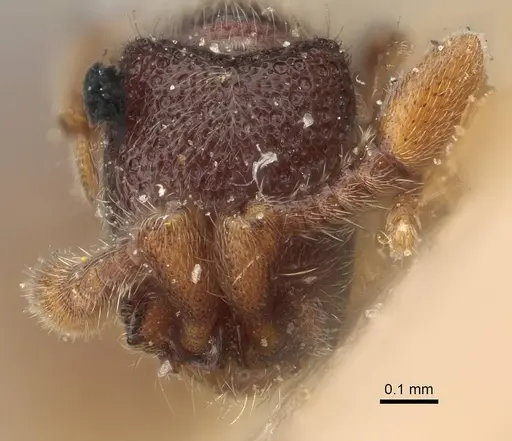
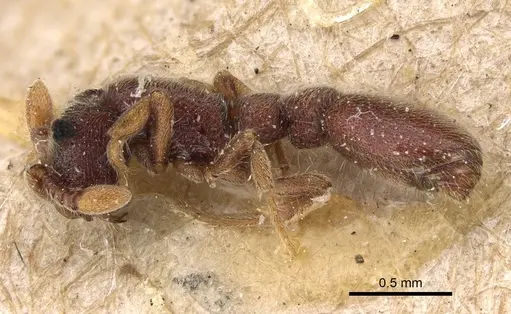
Ooceraea papuana is a small army ant species native to Papua New Guinea, part of the Dorylinae subfamily. Workers have 9-segmented antennae, a predominantly punctate body surface, and a postpetiole that is broader than long . Size data is unavailable for this species. It was originally described by Emery in 1897 from specimens collected in the Hansemann Mountains and Berlinhafen areas of Papua New Guinea . The genus Ooceraea contains several cryptic species that were only recently separated through detailed morphological analysis, highlighting how little is known about many tropical army ants in this region .
Quick Summary
- Difficulty: Hard
- Origin & Habitat: Papua New Guinea, specifically the Hansemann Mountains and Aitepe (Berlinhafen) regions [2].
- Colony Type: Unconfirmed, colony structure has not been documented
- Size & Growth:
- Queen: size data unavailable
- Worker: size data unavailable
- Colony: size data unavailable
- Growth: Unknown
- Development: Unknown (No direct observations of founding or development exist)
- Antkeeping:
- Temperature: Unknown, no direct studies exist for this species
- Humidity: Unknown, no direct studies exist for this species
- Diapause: Unknown, tropical species from Papua New Guinea may not require formal hibernation, but seasonal activity changes are possible
- Nesting: Unknown, no specific nesting data exists
- Behavior: Behavior is largely unstudied. Escape risk is unknown but likely moderate given their small size, use standard barrier precautions. No data exists on aggression levels or sting potency for this species.
- Common Issues: no documented care information makes this species very risky for beginners, colony failure is likely without proper protein prey availability, humidity requirements are unknown and mold/drying issues are possible, temperature needs are unconfirmed and inappropriate conditions may kill colonies, no information on nuptial flight timing makes captive breeding uncertain
Species Identification and Taxonomy
Ooceraea papuana was originally described as Ooceraea papuana by Emery in 1897 and has undergone several reclassifications, moving through Cerapachys (Cysias), then Cerapachys (Syscia), before being placed in Ooceraea in 2016 [2]. The species can be identified by its 9-segmented antennae, punctate body surface, and postpetiole that is broader than long [1]. This species is part of the Cerapachyini tribe within Dorylinae. Type specimens were collected by L. Biró and are deposited in the Hungarian Natural History Museum (HNHM) and Museo di Storia Naturale di Genova (MSNG).
Distribution and Habitat
Ooceraea papuana is known only from Papua New Guinea, specifically from two historical collection sites: the Hansemann Mountains and Berlinhafen (now Aitepe) on the northern coast [2]. The species is part of the Australasian Region ant fauna. No specific ecological data exists regarding elevation, forest type, or microhabitat preferences for this species. The broader genus Ooceraea has species distributed across tropical Asia and Australasia, with some species recently described from India and China [3][4].
Known Biology
Direct biological observations for Ooceraea papuana are extremely limited. The genus Ooceraea contains cryptic species that were only recently distinguished through detailed morphological analysis, highlighting how little ecological information exists for many of these tropical ants [3][4]. The 9-segmented antennae is a distinguishing feature that separates this species from some related Ooceraea species with 8 or 10 segments.
Keeping Considerations
The scientific literature provides no information on captive care for Ooceraea papuana [2][3][4][1]. Keeping this species would be experimental and carry a high risk of colony failure. No species-specific husbandry data exists.
Research Gaps
Ooceraea papuana represents a significant knowledge gap in ant biology. No published information exists regarding queen size and morphology, worker measurements, colony size, founding behavior, development timeline, temperature preferences, humidity needs, or any aspect of captive husbandry. Even basic natural history observations from the wild are absent from the scientific literature [2][3][4][1].
Frequently Asked Questions
How do I care for Ooceraea papuana ants?
There is no documented care information for this species. Keeping Ooceraea papuana would require experimental husbandry with no established protocols, making it extremely risky. This species cannot be recommended for antkeepers.
What do Ooceraea papuana ants eat?
Diet is unknown for this species. Based on Dorylinae patterns, they are likely predatory, but no species-specific data exists.
What size are Ooceraea papuana workers?
Worker measurements have not been documented in the scientific literature. The species is described from museum specimens without detailed morphometric data.
How big do Ooceraea papuana colonies get?
Colony size is unknown. No field studies have documented colony sizes for this species.
Where is Ooceraea papuana found?
This species is known only from Papua New Guinea, specifically the Hansemann Mountains and Aitepe (Berlinhafen) areas.
What temperature do Ooceraea papuana ants need?
Temperature requirements are unconfirmed. Based on their tropical New Guinea habitat, they likely need warm conditions, but this is an estimate only.
Are Ooceraea papuana good for beginners?
No. This species has no documented care information and keeping it successfully would be extremely difficult with high failure risk. Beginners should choose species with established care protocols.
How long does it take for Ooceraea papuana to develop from egg to worker?
The development timeline has not been studied. No data exists on egg-to-worker development time for this species.
Can I keep multiple Ooceraea papuana queens together?
Colony structure is unconfirmed. No information exists on whether this species is single-queen or multi-queen, or whether combining unrelated queens is viable.
Report an Issue
The current care sheet is based fully on literature. See inconsistencies, or something that's incorrect? Please , it will be resolved after review from an admin. Contributing to the blogs tab also helps providing information, to make us be able to further improve the caresheets. Thank you for your support!
References

この飼育シートのライセンスは: CC BY-SA 4.0 .
コミュニティブログ
文献
分布マップを読み込み中...製品情報を読み込み中...