
Nesomyrmex itinerans
- 学名
- Nesomyrmex itinerans
- 族
- Crematogastrini
- 亜科
- Myrmicinae
- 命名者
- Kempf, 1959
- 分布
- 0 か国で発見
紹介
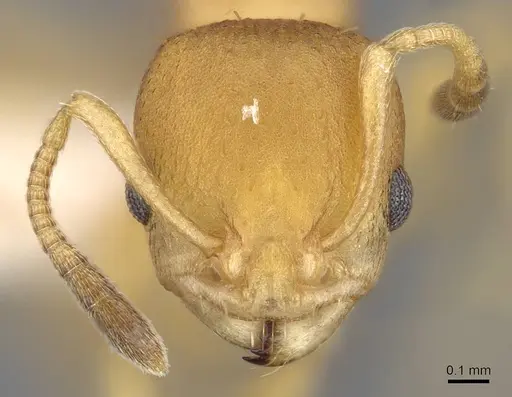
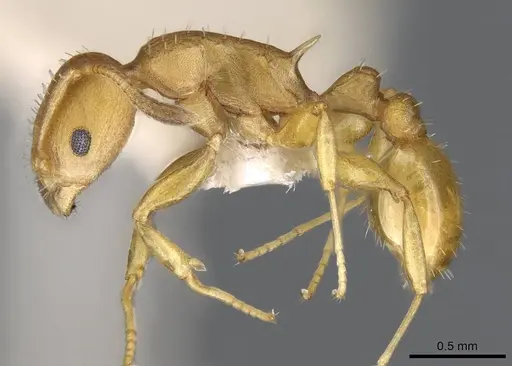
Nesomyrmex itinerans is a small myrmicine ant native to Venezuela in the Neotropical region . Workers, queens, and males were originally described by Kempf in 1959,with specimens collected from orchid flowers (Cattleya) . The genus Nesomyrmex belongs to the Crematogastrini tribe and contains relatively small ants often associated with arboreal habitats or plant cavities . This species is poorly documented in scientific literature, with limited information available beyond the original type specimens.
Quick Summary
- Difficulty: Unknown, limited documented care information available
- Origin & Habitat: Venezuela, Neotropical region. Original specimens collected from Cattleya orchid flowers [1].
- Colony Type: Unconfirmed, no specific data on colony structure
- Size & Growth:
- Queen: Size data unavailable, no measurements recorded in type specimens
- Worker: Size data unavailable, no measurements recorded in type specimens
- Colony: Unknown, no data available
- Growth: Unknown
- Development: Unknown, no development data available for this species (Direct development data unavailable for this species)
- Antkeeping:
- Temperature: Keep at 24-28°C, condition-based recommendation for tropical Venezuelan species
- Humidity: Maintain moderate to high humidity (60-80%), condition-based recommendation matching tropical forest origin
- Diapause: No, tropical species from Venezuela does not require diapause
- Nesting: Based on orchid collection, likely arboreal or associated with vegetation. Provide naturalistic setup with cork, twigs, or wooden sections. Test tubes work for founding but adding plant material simulates natural habitat.
- Behavior: Behavior is unstudied for this species. Nesomyrmex species are generally calm and non-aggressive. They likely forage in vegetation given their orchid association. Small size suggests moderate escape risk, use standard barriers.
- Common Issues: lack of documented care information makes successful keeping uncertain, tropical species may decline if kept too cool or dry, wild-caught colonies difficult to find since rarely collected, colony growth rate is unknown, arboreal nature may require specialized setups
Nest Preferences and Housing
Nesomyrmex itinerans was originally collected from orchid flowers, suggesting association with vegetation [1]. In captivity, a naturalistic setup with cork bark, twigs, or wooden sections works well. These ants likely prefer nesting in pre-existing cavities rather than excavating soil. Y-tong (AAC) nests with narrow chambers or plaster nests with plant material included are suitable. Test tubes work for founding colonies, but adding small organic material like twigs or cork pieces simulates their likely arboreal habitat.
Feeding and Diet
Diet is unstudied for this specific species. Nesomyrmex species are typically omnivorous like most Myrmicinae ants. They likely accept sugar sources (honey water, sugar water) and protein (small insects like fruit flies, pinhead crickets, mealworms). Their collection from orchids suggests they may forage in vegetation, possibly collecting honeydew from aphids or scale insects. Offer sugar water constantly, and protein prey 2-3 times per week. Remove uneaten prey after 24-48 hours to prevent mold. [1]
Temperature and Seasonal Care
As a tropical species from Venezuela, Nesomyrmex itinerans requires warm conditions. Keep the nest area at 24-28°C. Use a heating cable on one side of the nest to create a gentle gradient, but avoid overheating. Room temperature in most homes may be too cool. Unlike temperate species, they do not require winter diapause. Maintain stable temperatures year-round. Sudden temperature drops should be avoided.
Defense Mechanism
Nesomyrmex belongs to the Myrmicinae subfamily and Crematogastrini tribe. Members of this tribe typically have a modified, flattened spatulate stinger used to wipe or smear venom onto enemies rather than piercing flesh. This is a general taxonomic characteristic of the tribe.
Frequently Asked Questions
How long does it take for Nesomyrmex itinerans to produce first workers?
Unknown, no development data exists for this species. Estimate 6-10 weeks based on typical Myrmicinae development at tropical temperatures, but this is unconfirmed.
What do Nesomyrmex itinerans ants eat?
Likely accepts standard ant foods: sugar water or honey for carbohydrates, and small insects like fruit flies or mealworms for protein. Their collection from orchids suggests they may also forage for honeydew.
Can I keep Nesomyrmex itinerans in a test tube?
Yes, test tubes work for founding colonies. Since they may be arboreal, adding small pieces of cork or twig to the test tube may help simulate their natural habitat. Consider transitioning to a naturalistic setup as the colony grows.
Do Nesomyrmex itinerans ants need hibernation?
No, being a tropical species from Venezuela, they do not require hibernation. Keep them at warm temperatures (24-28°C) year-round.
Are Nesomyrmex itinerans good for beginners?
This species is not recommended for beginners due to lack of documented care information. Consider starting with better-documented species.
How big do Nesomyrmex itinerans colonies get?
Unknown, no colony size data is available for this species.
Do Nesomyrmex itinerans ants sting?
Stinging behavior is not documented for this species. Most Nesomyrmex species are small and not known for painful stings. They are likely harmless to humans.
What temperature is best for Nesomyrmex itinerans?
Keep nest temperatures between 24-28°C. This matches their Venezuelan tropical origin. Provide a temperature gradient so ants can choose their preferred zone.
When should I move Nesomyrmex itinerans to a formicarium?
Move from test tube to a formicarium when the colony reaches roughly 50-100 workers, or when the test tube shows signs of stress (condensation issues, mold, ants avoiding the wet end). A naturalistic setup with cork or wood sections is recommended.
Why is my Nesomyrmex itinerans colony declining?
Common causes include: temperature too low (below 24°C), humidity too low or too high, poor nutrition, or stress from disturbance. Carefully document your conditions and adjust gradually.
Report an Issue
The current care sheet is based fully on literature. See inconsistencies, or something that's incorrect? Please , it will be resolved after review from an admin. Contributing to the blogs tab also helps providing information, to make us be able to further improve the caresheets. Thank you for your support!
References

この飼育シートのライセンスは: CC BY-SA 4.0 .
コミュニティブログ
CASENT0914992
AntWebで見る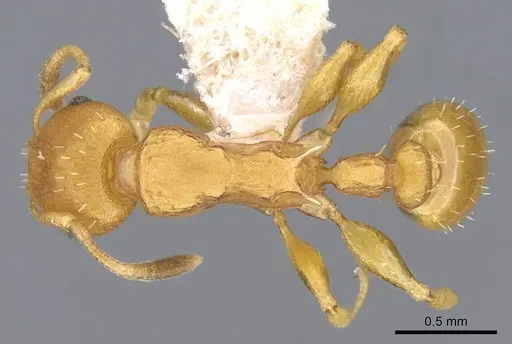
文献
分布マップを読み込み中...製品情報を読み込み中...