
Neivamyrmex gracilis
- 学名
- Neivamyrmex gracilis
- 亜科
- Dorylinae
- 命名者
- Borgmeier, 1955
- 分布
- 0 か国で発見
紹介
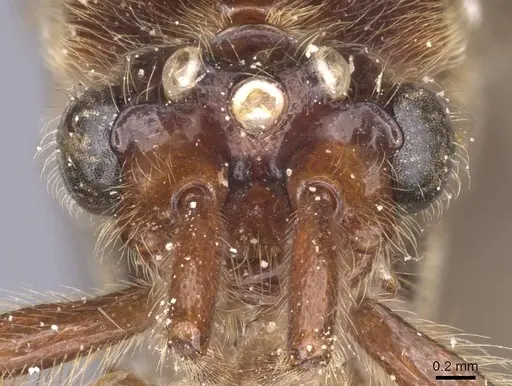
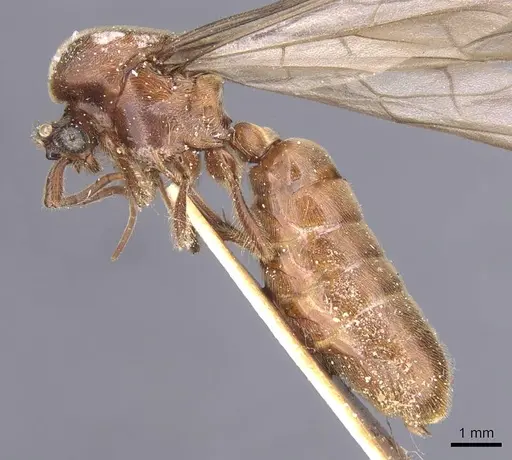
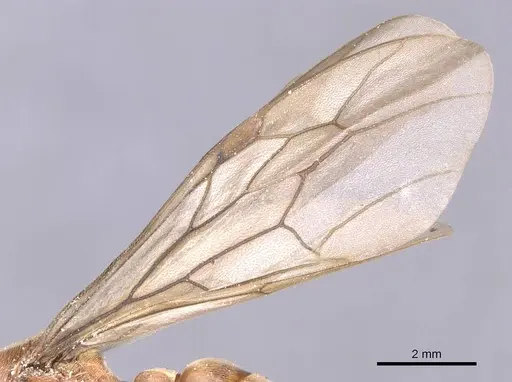
Neivamyrmex gracilis is a species of army ant from the Dorylinae subfamily, found exclusively in Brazil. Only male specimens have been scientifically described - the queens and workers remain unknown to science. This makes it one of the most poorly documented ant species in existence. Army ants in the genus Neivamyrmex are known for their predatory lifestyle, raiding colonies of other ants and capturing various arthropods to feed their colonies. Males of this species were collected in the Brazilian states of São Paulo and Bahia between 1951 and 1954 .
Quick Summary
- Difficulty: Expert
- Origin & Habitat: Brazil (São Paulo and Bahia states), specific habitat details unconfirmed [3]
- Colony Type: Unknown, only male specimens have been collected. No queens or workers have been documented in scientific literature [3]
- Size & Growth:
- Queen: Unknown, queens have not been described
- Worker: Unknown, workers have not been described
- Colony: Unknown, colony structure unstudied
- Growth: Unknown
- Development: Unknown, no data on any life stage exists (This is one of the least studied ant species in existence. Only males have ever been collected and described scientifically.)
- Antkeeping:
- Temperature: Unknown, no species-specific data exists. Related Neivamyrmex species typically occur in tropical to subtropical regions of the Americas.
- Humidity: Unknown, no data on humidity requirements exists
- Diapause: Unknown, no research on seasonal behavior has been conducted
- Nesting: Unknown, no information on natural nesting preferences exists. Related army ants are nomadic and do not maintain permanent nests.
- Behavior: Behavior is unstudied. Based on genus-level patterns, army ants are predatory, raid other ant colonies, and move their bivouac frequently. They are likely aggressive defenders with functional stingers. Escape prevention would be critical given typical army ant activity levels, but no species-specific observations exist.
- Common Issues: this species is essentially unknown to science, only males have ever been collected, no captive colonies exist in the antkeeping hobby because queens and workers have never been found, there is no care information, feeding data, or temperature guidelines specific to this species, related army ants are extremely difficult to keep and require specialized setups, the complete absence of documented biology makes responsible captive husbandry impossible
Why This Species Is Not Recommended for Keeping
Neivamyrmex gracilis should not be kept by any antkeeper, beginner or expert, for one critical reason: the species is essentially unknown to science. Only male specimens have ever been collected and described, no one has ever observed a queen, worker, or any colony-level biology. This means there is no information whatsoever on what these ants eat, what temperature they need, how they found colonies, how many workers a mature colony has, or any other basic husbandry requirement. Without this fundamental biological data, it is impossible to provide appropriate care. Even the most experienced army ant keepers would be unable to maintain this species. The complete absence of documented biology makes responsible captive husbandry impossible. [3]
What We Know About the Genus Neivamyrmex
While N. gracilis itself is a mystery, the genus Neivamyrmex gives us some general insights into what kind of ant this likely is. Neivamyrmex is a genus of army ants found throughout the Americas, known for their predatory raids on other ant colonies and various arthropods. Army ants are nomadic, they do not build permanent nests but form temporary bivouacs and move frequently. They typically have large, aggressive colonies with functional stingers. However, these are general patterns, and specific species can vary significantly. We cannot assume N. gracilis follows all typical genus behaviors without direct observation. [3]
The Mystery of the Missing Castes
The case of Neivamyrmex gracilis represents a significant gap in ant taxonomy. In most ant species, we at least have descriptions of workers and often queens, even if detailed biology is lacking. For this species, only males have ever been collected, five syntype males from São Paulo and Bahia, Brazil, collected between 1951 and 1954. This suggests either that the species is extremely rare, that collectors have simply never found the right locations, or that the colony structure makes finding queens and workers unusually difficult. Army ant colonies can be highly mobile, which may explain why they have eluded collection. Future discoveries of this species' queen and workers would represent an important scientific finding. [1][2]
Distribution and Collection Data
Neivamyrmex gracilis is known only from two Brazilian states: São Paulo (specifically the municipality of Agudos) and Bahia (specifically Canudos). Males were collected in January 1953,February 1954,March 1953,and July 1951. The original description was published by Borgmeier in 1955 based on these specimens. The species has not been recorded in any subsequent surveys or studies. The collection dates span different seasons, but this is insufficient to draw conclusions about flight timing or seasonal activity patterns. The true geographic range may be wider than currently known, as Brazil's ant fauna remains incompletely documented. [2]
Frequently Asked Questions
Can I keep Neivamyrmex gracilis ants?
No. This species should not be kept under any circumstances. Only male specimens have ever been collected, no one has ever documented a queen, worker, or colony of this species. There is zero biological information available to guide proper care. Keeping an ant species with no documented biology would be irresponsible and likely result in colony failure.
Where can I get Neivamyrmex gracilis?
This species is not available in the antkeeping hobby and likely cannot be obtained. No colonies exist in captivity because no one has ever collected or described queens or workers. Even professional myrmecologists have only ever found males of this species.
What do Neivamyrmex gracilis eat?
Unknown. We have no species-specific feeding data. Based on genus patterns, they likely prey on other ants and arthropods, but this is purely speculative for this specific species.
What temperature do Neivamyrmex gracilis need?
Unknown. No temperature requirements have been documented for this species. While related army ants occur in tropical to subtropical regions, we cannot make assumptions about this specific species.
How big do Neivamyrmex gracilis colonies get?
Unknown. No colony size data exists for this species. Related army ants can have colonies ranging from tens of thousands to over a million workers, but we cannot assume N. gracilis follows this pattern.
Are Neivamyrmex gracilis good for beginners?
Absolutely not. This species is not suitable for any keeper. Even expert antkeepers would be unable to maintain this species due to the complete absence of documented biology.
How long do Neivamyrmex gracilis take to develop from egg to worker?
Unknown, no eggs, larvae, or pupae have ever been documented for this species. The entire brood development is unstudied.
Can I keep multiple Neivamyrmex gracilis queens together?
Unknown. We don't even know what a queen of this species looks like, let alone colony structure. Combining unrelated queens is not recommended without species-specific data.
Do Neivamyrmex gracilis need hibernation?
Unknown. No research exists on seasonal behavior or overwintering requirements for this species.
What is the best nest type for Neivamyrmex gracilis?
No nest type can be recommended. We have no information on natural nesting preferences, and no captive colonies exist to test different setups.
Why is Neivamyrmex gracilis so poorly studied?
This species represents a gap in ant taxonomy. Only five male specimens were ever collected, all between 1951-1954. No subsequent researcher has found additional specimens. This could indicate the species is rare, occurs in hard-to-access habitats, or that its colonies are difficult to locate due to army ant nomadic behavior.
Report an Issue
The current care sheet is based fully on literature. See inconsistencies, or something that's incorrect? Please , it will be resolved after review from an admin. Contributing to the blogs tab also helps providing information, to make us be able to further improve the caresheets. Thank you for your support!
References

この飼育シートのライセンスは: CC BY-SA 4.0 .
コミュニティブログ
CASENT0911396
AntWebで見る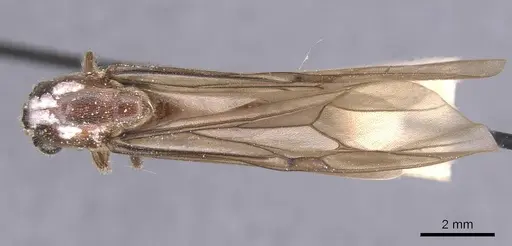
文献
分布マップを読み込み中...製品情報を読み込み中...