
Myrmicaria castanea
- 学名
- Myrmicaria castanea
- 族
- Solenopsidini
- 亜科
- Myrmicinae
- 命名者
- Crawley, 1924
- 分布
- 0 か国で発見
紹介
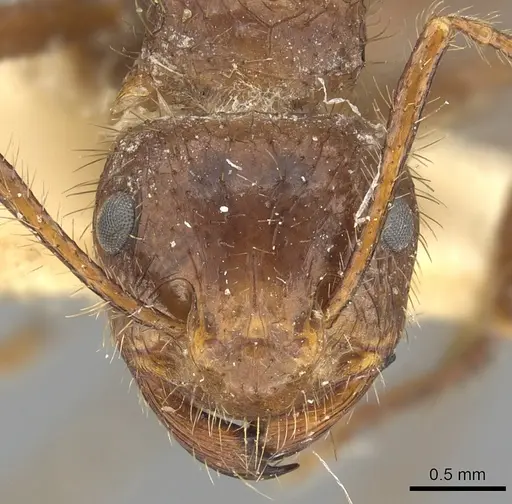
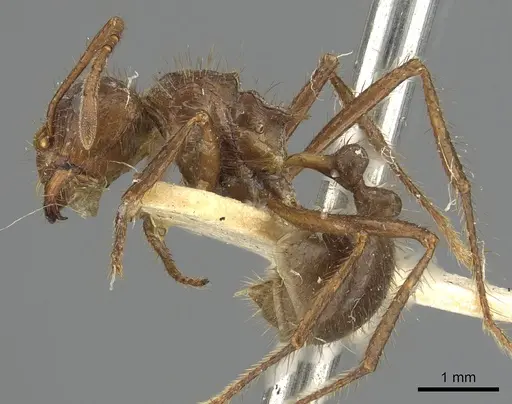
Myrmicaria castanea is a small ant species originally described from Sumatra, Indonesia in 1924 . Workers are typically reddish-brown to dark brown in color, with the genus characterized by an elongated head and mandibles. This species belongs to the Myrmicaria brunnea species group, which is distributed across Southeast Asia . In the wild, these ants nest in soil and produce alate (winged) queens for reproduction . As members of the Solenopsidini tribe, they possess a potent sting capable of injecting piperidine alkaloid venom.
Quick Summary
- Difficulty: Medium
- Origin & Habitat: Originally described from Sumatra, Indonesia in the Indomalaya region. This species nests in soil [2]. Based on genus patterns, they likely inhabit tropical forest edges or disturbed areas where they can establish ground nests.
- Colony Type: Colony structure is unconfirmed for this specific species. The genus Myrmicaria typically forms single-queen colonies, though some related species may have multi-queen arrangements. Alate (winged) queens are produced for nuptial flights [2].
- Size & Growth:
- Queen: size data unavailable, no specific measurements exist for this species
- Worker: size data unavailable, no specific measurements exist for this species
- Colony: estimated up to several thousand workers based on related species in the genus
- Growth: Moderate
- Development: estimated 5-8 weeks at tropical temperatures based on genus patterns (Development time is estimated, no specific study exists for this species.)
- Antkeeping:
- Temperature: Keep at 24-28°C (tropical range). A slight gradient allowing workers to self-regulate is beneficial. Room temperature in most homes (22-25°C) should work well.
- Humidity: Maintain moderate to high humidity (60-80%). Soil-nesting species prefer consistently moist substrate. Provide a water tube and ensure the nest area stays damp but not waterlogged.
- Diapause: Likely minimal or no true diapause, being a tropical species from Indonesia, they probably do not require hibernation. However, a slight reduction in temperature during winter months may be beneficial.
- Nesting: Soil-nesting species [2]. A naturalistic setup with soil or a plaster nest with moist chambers works well. They do well in test tube setups for founding colonies, then can be moved to formicaria with soil chambers.
- Behavior: Myrmicaria species are known to be defensive and will readily sting when threatened. Workers are moderately active and forage both on the ground and may climb vegetation. They likely recruit nestmates to food sources through chemical trails. Their small size means escape prevention is important, use tight-fitting lids and appropriate barriers. The sting injects potent venom composed of piperidine alkaloids.
- Common Issues: tropical species may struggle in cool/dry environments without heating and humidity control, soil-nesting requires careful moisture management, too wet causes drowning, too dry causes desiccation, sting risk is present, handle gently and use escape prevention to avoid aggressive defense, limited available information means care is largely inferred from genus patterns, slow founding phase, queens may take weeks to seal in and raise first workers
Housing and Nest Setup
Myrmicaria castanea is a soil-nesting species, so your setup should reflect their natural habitat. For founding colonies, a standard test tube setup works well, fill the tube about one-third with water, plug with a cotton wick, and place the queen in the open end. Cover the tube with a dark sleeve to reduce stress. Once the colony reaches 20-30 workers, you can transition them to a formicarium with soil chambers or a naturalistic setup. A plaster or acrylic nest with moist chambers also works well. Ensure the nest material stays consistently moist but never waterlogged. These ants are small, so escape prevention is important, use tight-fitting lids and consider fluon barriers on any smooth surfaces. [2]
Feeding and Diet
Based on the genus and related Solenopsidini ants, Myrmicaria castanea likely has an omnivorous diet. They probably consume honeydew from aphids and scale insects, as well as small insects and arthropods. In captivity, offer a mix of sugar sources (honey water, sugar water) and protein (small insects like fruit flies, pinhead crickets, mealworms). Feed protein sources 2-3 times per week, and keep a sugar water source available at all times. Remove uneaten food after 24-48 hours to prevent mold. Since this species is not well-documented, observe what your colony accepts and adjust accordingly.
Temperature and Seasonal Care
Being a tropical species from Indonesia, Myrmicaria castanea prefers warm conditions. Maintain temperatures between 24-28°C for optimal brood development. A heating cable or mat on one side of the nest can create a temperature gradient, allowing workers to move between warmer and cooler areas. Room temperature in heated homes (around 22-25°C) may be sufficient, but warmer conditions will likely speed up development. Unlike temperate species, they probably do not require a true hibernation period. However, a slight reduction in temperature during winter (dropping to around 20-22°C) may simulate seasonal changes and potentially trigger reproductive alate production.
Behavior and Defense
Myrmicaria species are known for their defensive behavior and potent stings, inherited from their position in the Solenopsidini tribe alongside fire ants. When disturbed, workers will likely emerge aggressively and attempt to sting. The sting injects piperidine alkaloid venom, it is reported to be painful, though likely less severe than true Solenopsis fire ants. Handle your colony gently and avoid tapping or shaking the nest. Always use excellent escape prevention, these are small ants that can squeeze through tiny gaps. When moving or observing the colony, work slowly and carefully to minimize disturbance.
Colony Development and Growth
Colony growth in Myrmicaria castanea follows typical Myrmicinae patterns. The claustral queen seals herself in a chamber and raises the first brood using stored fat reserves. First workers (nanitics) are typically smaller than mature workers. Development from egg to worker likely takes 5-8 weeks at optimal tropical temperatures. Growth rate is moderate, colonies may take several months to reach 50 workers and a year or more to reach several hundred. Be patient during the founding phase, as disturbing the queen too often can cause abandonment or cannibalization of brood. Once established, colonies can grow to several thousand workers over several years.
Frequently Asked Questions
How long does it take for Myrmicaria castanea to produce first workers?
Based on genus patterns and related species, expect first workers (nanitics) in about 5-8 weeks at optimal temperatures (24-28°C). The exact timeline is not documented for this species, so your colony may be faster or slower depending on conditions.
What temperature do Myrmicaria castanea ants need?
Keep them at 24-28°C (tropical range). Room temperature in heated homes (22-25°C) may work, but warmer conditions will support faster brood development. A temperature gradient is beneficial.
Can I keep multiple Myrmicaria castanea queens together?
The colony structure for this specific species is not documented. Based on genus patterns, they likely form single-queen colonies. Combining unrelated queens is not recommended as it may result in fighting.
How big do Myrmicaria castanea colonies get?
Based on related species in the genus, colonies likely reach several thousand workers over several years. The exact maximum size is not documented for this species.
What do Myrmicaria castanea ants eat?
They likely have an omnivorous diet. Offer sugar water or honey constantly, and protein (small insects) 2-3 times per week. They probably also consume honeydew and may tend aphids in captivity.
Do Myrmicaria castanea need hibernation?
Probably not, being a tropical species from Indonesia, they likely do not require true hibernation. A slight temperature reduction in winter (around 20-22°C) may be beneficial but is not required.
Is Myrmicaria castanea good for beginners?
This species is rated as Medium difficulty. While not the most challenging species, the limited available information and tropical requirements make it better suited for keepers with some experience. Their sting and escape potential are considerations.
When should I move Myrmicaria castanea to a formicarium?
Keep them in a test tube setup for the founding phase. Once the colony reaches 20-30 workers and the test tube is well-populated, you can transition them to a formicarium with soil chambers or a moist nest setup.
Why is my Myrmicaria castanea colony not growing?
Common causes include temperatures that are too low (below 22°C), humidity that is too dry, insufficient protein in the diet, or disturbance during the founding phase. Check that your setup maintains proper warmth and moisture, and ensure the queen is not being stressed.
Report an Issue
The current care sheet is based fully on literature. See inconsistencies, or something that's incorrect? Please , it will be resolved after review from an admin. Contributing to the blogs tab also helps providing information, to make us be able to further improve the caresheets. Thank you for your support!
References

この飼育シートのライセンスは: CC BY-SA 4.0 .
コミュニティブログ
CASENT0901495
AntWebで見る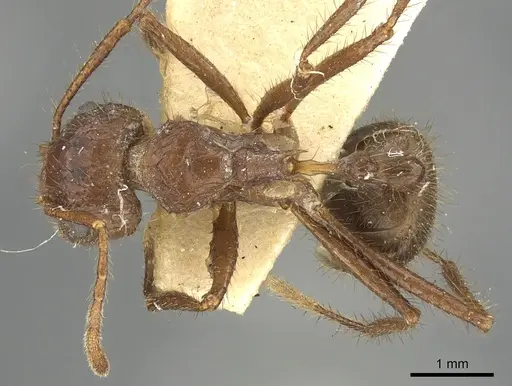
文献
分布マップを読み込み中...製品情報を読み込み中...