
Myrmica varisculpta
- 学名
- Myrmica varisculpta
- 族
- Myrmicini
- 亜科
- Myrmicinae
- 命名者
- Radchenko & Rigato, 2009
- 分布
- 0 か国で発見
紹介
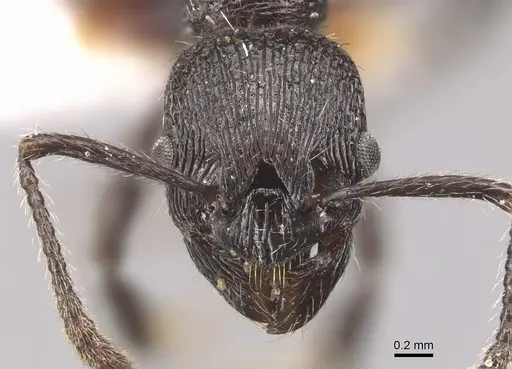
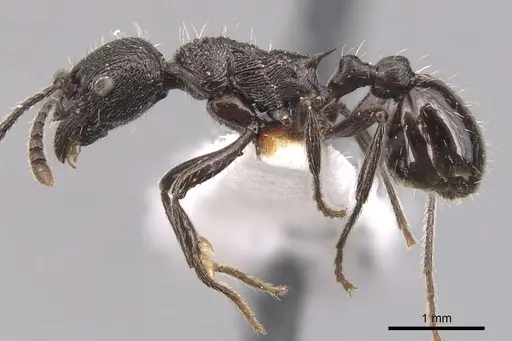
Myrmica varisculpta is a small, dark ant species belonging to the pachei species-group, described from the Kashmir region of northern India. Workers are blackish-brown with moderately long propodeal spines and a distinctly longer-than-broad head. The species gets its name from the Latin 'various sculptured' due to the unique mix of transverse striations and reticulation on its alitrunk that distinguishes it from related species . Only the worker caste has been described - queens, males, and colony structure remain completely unknown . This is one of the most poorly documented Myrmica species in existence, known only from a single specimen collected in 1986.
Quick Summary
- Difficulty: Unknown, likely Medium based on genus patterns
- Origin & Habitat: Endemic to the Kashmir region of northern India, found at high elevations around 3350m in the Himalayas [2]. The species has also been recorded at lower elevations of 500m and 1000m [3]. As a Himalayan high-altitude species, it likely inhabits cool, mountainous terrain.
- Colony Type: Unknown, only workers have been described [1]. Colony structure is unconfirmed.
- Size & Growth:
- Queen: Size data unavailable, queens have not been described [1]
- Worker: Size data unavailable, worker measurements not provided in original description [1]
- Colony: Unknown, no colony data exists
- Growth: Unknown, no development data available
- Development: Unknown, no species-specific data exists (No development data has been documented for this species.)
- Antkeeping:
- Temperature: Likely cool-temperate conditions. Based on high altitude origin, keep in the low-to-mid teens to low 20s °C range. Observe colony activity and adjust as needed.
- Humidity: Moderate humidity likely preferred. Myrmica generally thrive with substrate that is moist but not waterlogged. Provide a water tube for drinking water.
- Diapause: Likely yes, Himalayan species typically require winter dormancy. Provide 3-4 months at 5-10°C during winter.
- Nesting: Nesting preferences unknown. Based on related species and genus patterns, likely nests in soil or under stones. A test tube setup or Y-tong nest with moist substrate would be an appropriate starting point.
- Behavior: Behavior is completely unstudied. Based on genus patterns, likely similar to other Myrmica, moderately active foragers, not particularly aggressive, typical ground-nesting habits. Escape risk is unknown but likely moderate like other Myrmica.
- Common Issues: no biological data exists, this is one of the least studied ant species in the hobby, queens and males are unknown, wild colonies cannot be distinguished from related species, colony development timeline is completely unconfirmed, winter requirements are inferred, not documented, no confirmed diet preferences, must rely on genus-typical feeding
Why This Species Is Challenging
Myrmica varisculpta presents a unique challenge in the antkeeping hobby: almost nothing is known about its biology. The species was described from a single worker specimen collected in 1986,and no queens, males, or colony observations have ever been published [1]. This means there is no scientific data on founding behavior, development times, colony size, diet preferences, temperature requirements, or any other aspect of its care. What you will be doing is essentially pioneering captive husbandry for a species that has never been kept in captivity before. This makes it an expert-level project suitable only for experienced antkeepers who understand that they are working with complete uncertainty and may need to experiment to determine what works.
Inferring Care from Related Species
Since direct data is unavailable, care must be inferred from three sources: the species' geographic origin (Kashmir Himalayas at 3350m elevation), its placement in the pachei species-group, and general Myrmica genus patterns. The high altitude suggests a cold-adapted species requiring cool temperatures year-round, similar to other high-elevation Himalayan Myrmica. The pachei group includes M. pachei and M. villosa, which are also poorly studied mountain species. Myrmica in general are claustral founders, prefer moist substrate, and require winter hibernation in temperate climates. Use these as starting points for experimentation [2][1].
Housing and Setup
Start with a standard test tube setup with a water reservoir, as this allows you to easily monitor the colony and maintain humidity. Because nothing is known about this species' preferences, observe behavior closely, if workers consistently avoid the moist end, try a drier setup. A small outworld can be added once the colony reaches 10-20 workers. Given the high-altitude origin, avoid overheating, keep the setup away from direct sunlight and heat sources. The species is likely smaller than common Myrmica species, so ensure any barriers are escape-proof. Consider a Y-tong or plaster nest as the colony grows, as these allow better humidity control than test tubes.
Feeding and Diet
Diet preferences are completely unconfirmed for this species. Based on typical Myrmica behavior, offer sugar water or honey as a constant energy source, and protein sources like fruit flies, small mealworms, or other small insects. Myrmica are generalist feeders and likely accept a variety of foods. Start with small amounts and observe what gets consumed. Remove uneaten food after 24-48 hours to prevent mold. The high-altitude origin suggests the species may be less active than lowland Myrmica, so adjust feeding frequency accordingly, smaller, more frequent meals may be better than large feedings.
Temperature and Seasonal Care
Given the type locality at 3350m in the Kashmir Himalayas, this species likely requires cool conditions. Start with temperatures in the 15-20°C range and observe colony behavior. If workers seem sluggish or inactive, slightly warmer temperatures may help. However, avoid high temperatures, this is not a tropical species. Winter hibernation is likely required, probably 3-4 months at 5-10°C, mimicking the harsh Kashmir winters. Provide a hibernation period from late autumn through early spring. Monitor the colony closely during temperature changes, as this poorly understood species may have unexpected temperature tolerances [2].
Legal and Ethical Considerations
Myrmica varisculpta is endemic to India, specifically the Kashmir region [4]. If you obtain this species, ensure it was legally acquired, there are no known cultures of this species in the antkeeping hobby, so any specimens would likely be wild-caught. Do not release this or any non-native ant species in North America, Europe, or anywhere outside its native range, as Myrmica can become invasive and cause ecological damage. Given how little is known about this species, consider whether keeping it is responsible, captive breeding may be extremely difficult without queens or males ever being described.
Frequently Asked Questions
How do I keep Myrmica varisculpta ants?
No captive husbandry information exists for this species. Based on genus patterns, use a test tube setup with moisture, keep temperatures cool, provide sugar water and protein, and allow winter hibernation. This is experimental, you are pioneering care for a completely unstudied species.
What do Myrmica varisculpta eat?
Diet is completely unconfirmed. Offer sugar water or honey as an energy source, and small protein sources like fruit flies or tiny mealworms. Observe what gets consumed and adjust accordingly.
Do Myrmica varisculpta queens need hibernation?
Likely yes, the species comes from high-altitude Kashmir where winters are harsh and prolonged. Provide 3-4 months of cold conditions around 5-10°C annually.
How fast do Myrmica varisculpta colonies grow?
Growth rate is completely unknown, no colony development has ever been documented. Expect slow growth based on high-altitude origin and related species patterns.
Are Myrmica varisculpta good for beginners?
No. This is one of the least documented ant species in existence. Only experienced antkeepers should attempt this species, and only with the understanding that they are experimenting with completely unproven care methods.
What temperature do Myrmica varisculpta need?
Likely cool conditions, suggest keeping in the low-to-mid teens to low 20s °C based on high Himalayan altitude. Avoid warm temperatures. This is an inference, not confirmed data.
Where is Myrmica varisculpta found?
Only known from Kashmir, India, at elevations around 3350m. The species has also been recorded at 500m and 1000m. This is the entire known range, the species has never been found anywhere else.
Why is so little known about Myrmica varisculpta?
The species was described from a single worker specimen collected in 1986. No queens, males, or wild colonies have ever been documented. It remains one of the most poorly studied Myrmica species in the world.
Report an Issue
The current care sheet is based fully on literature. See inconsistencies, or something that's incorrect? Please , it will be resolved after review from an admin. Contributing to the blogs tab also helps providing information, to make us be able to further improve the caresheets. Thank you for your support!
References

この飼育シートのライセンスは: CC BY-SA 4.0 .
コミュニティブログ
CASENT0904555
AntWebで見る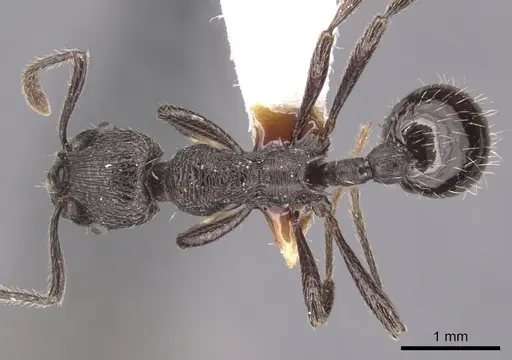
文献
分布マップを読み込み中...製品情報を読み込み中...