
紹介
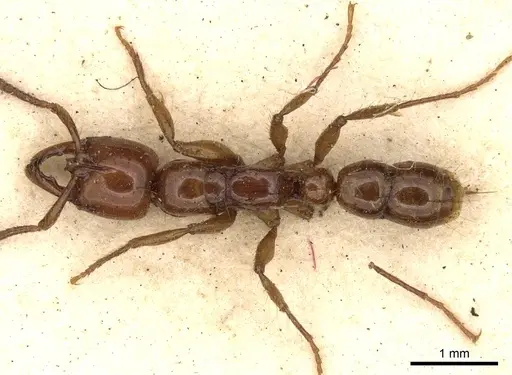
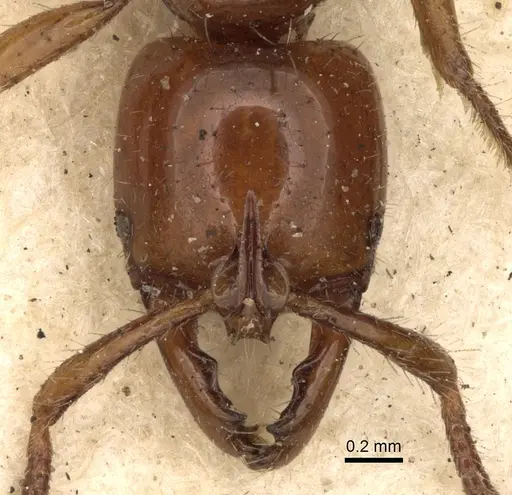
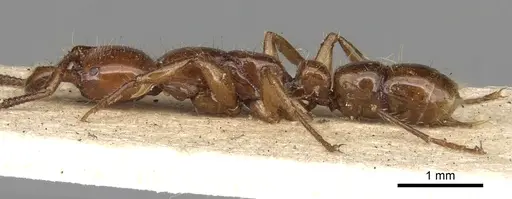
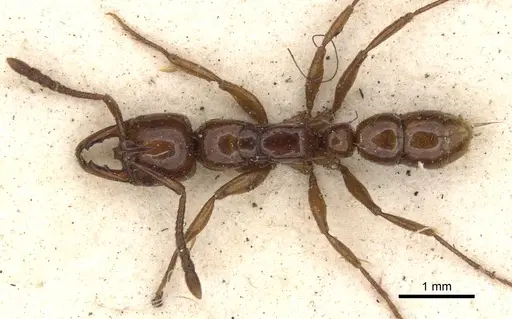
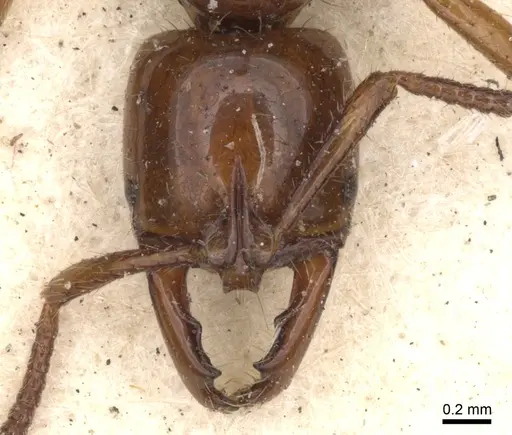
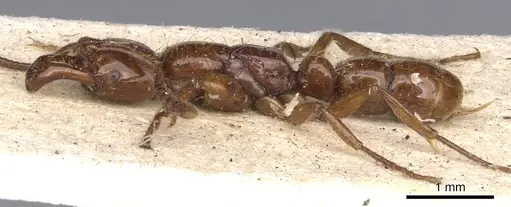
Myopias mayri is a small predatory ant species in the subfamily Ponerinae, found exclusively in the Indomalaya region, particularly Sulawesi (Indonesia) and Singapore . Workers have a smooth and shiny reddish to yellowish-brown body coloration . The mesosoma has an almost flat or weakly convex dorsal outline in profile view with a weak metanotal groove, and the subpetiolar process is subtriangular . This species was originally described as Ponera nitida by Smith in 1861,but that name was already preoccupied, so Donisthorpe renamed it to Trapeziopelta mayri in 1932,later transferred to the genus Myopias by Bolton in 1995 . As a Ponerinae ant, Myopias mayri is predatory and uses its sting for subdual of prey.
Quick Summary
- Difficulty: Medium
- Origin & Habitat: Native to the Indomalaya region, specifically Indonesia (Sulawesi) and Singapore. Found in tropical forest environments [1].
- Colony Type: Colony structure is unconfirmed. Based on typical Ponerinae patterns, likely single-queen colonies.
- Size & Growth:
- Queen: Size data unavailable, inferred from genus patterns to be approximately 5-6mm
- Worker: Approximately 4-5mm, inferred from genus patterns
- Colony: Up to approximately 100 workers at maturity (estimated)
- Growth: Moderate, Ponerinae typically develop more slowly than many Myrmicinae
- Development: Estimated 6-10 weeks at optimal tropical temperatures (24-28°C), based on typical Ponerinae development (Development follows typical Ponerinae patterns, relatively slow compared to other subfamilies. First workers (nanitics) will be smaller than mature workers.)
- Antkeeping:
- Temperature: Keep at 24-28°C. As a tropical species from Sulawesi and Singapore, they require warm, stable temperatures. A heating cable on one side of the nest can create a gentle gradient
- Humidity: High humidity preferred, around 70-80%. Keep the nest substrate consistently moist but not waterlogged. Ponerinae ants typically prefer damp conditions mimicking their forest floor habitat
- Diapause: Unlikely, being a tropical species from Indonesia, they probably do not require a diapause period
- Nesting: In captivity, they do well in test tubes with a water reservoir, or in small nests with tight chambers scaled to their small size. They prefer dark, humid nesting areas. A small outworld for foraging works well
- Behavior: Myopias mayri is a predatory ant species that hunts small invertebrates. Workers are likely moderately aggressive when defending the colony but are too small to pose any threat to humans. They are active foragers, hunting individually rather than forming large raiding parties. Their small size means escape prevention is important, they can squeeze through small gaps. As a Ponerinae, they possess a functional sting, though it is likely too weak to penetrate human skin effectively. Workers are probably nocturnal or crepuscular, being more active during cooler parts of the day.
- Common Issues: small colony size means they are vulnerable to stress and disturbance, tropical species requires consistent warmth, cold temperatures can slow or stop development, escape prevention is important due to their small worker size, predatory diet means they need regular protein input, colonies can fail without adequate prey, limited information available means keepers must adapt care based on colony observations
Housing and Nest Setup
Myopias mayri is a small ant that does well in standard test tube setups commonly used for founding colonies. Use a test tube with a water reservoir sealed with a cotton plug, this provides constant humidity without flooding. The tube should be wrapped in dark material to create a secure, dark environment that mimics their natural underground nests. Once the colony grows beyond 20-30 workers, you can consider moving them to a small nest or a naturalistic setup with a small foraging area. The nest chambers should be appropriately scaled to their tiny worker size, narrow passages and small chambers help them feel secure. An outworld of just a few square centimeters is sufficient for a small colony. Ensure all connections between the nest and outworld are sealed tightly, as their small size makes escape a real concern.
Feeding and Diet
As a Ponerinae ant, Myopias mayri is predatory and requires a protein-rich diet. Feed small live prey such as fruit flies, pinhead crickets, small mealworms, and other tiny arthropods. They are likely specialized hunters that capture small invertebrates in nature. Offer protein prey 2-3 times per week, removing any uneaten prey after 24-48 hours to prevent mold. Sugar sources may be accepted occasionally, you can offer a drop of diluted honey or sugar water, but do not rely on these as primary food. Fresh water should always be available. Observe your colony's feeding behavior to determine optimal feeding schedules, a hungry colony will quickly attack and dismember prey.
Temperature and Seasonal Care
Being a tropical species from Sulawesi and Singapore, Myopias mayri requires warm conditions year-round. Maintain temperatures between 24-28°C in the nest area. A heating cable placed on top of the nest (never underneath where it could dry out the substrate) can help maintain warmth, especially in cooler climates. Room temperature may be sufficient if your home stays in the mid-70s°F (around 24°C). Avoid temperatures below 22°C for extended periods, as this can slow brood development and weaken the colony. Unlike temperate species, they do not require hibernation or diapause. However, slight temperature fluctuations mimicking natural day-night cycles may be beneficial. Monitor colony activity, workers should be actively foraging and tending brood when warm, and may become less active if temperatures drop.
Behavior and Colony Dynamics
Myopias mayri workers are active hunters that likely forage individually or in small groups rather than forming large raiding parties. They probably establish small, discreet colonies in hidden locations such as under stones, in rotting wood, or in soil crevices, typical Ponerinae nesting behavior. The colony will likely remain relatively small compared to Myrmicinae species, possibly maxing out around 100 workers. Queens are likely claustral founders, sealing themselves in a chamber and raising the first brood alone until nanitic workers emerge, though this has not been confirmed for this species. Workers likely have a moderate lifespan of several months to a year. The colony will be defensive, workers will emerge to attack threats to the nest when disturbed, using their sting for defense. However, due to their tiny size, they pose minimal danger to humans.
Frequently Asked Questions
How long does it take for Myopias mayri to raise first workers?
Based on typical Ponerinae development, expect 6-10 weeks from founding to first workers (nanitics). This timeline assumes optimal temperatures of 24-28°C. Development is slower than many common ant species, so patience is required during the founding stage.
What do Myopias mayri ants eat?
They are predatory ants that need protein-rich food. Feed small live prey such as fruit flies, small crickets, mealworms, and other tiny arthropods. They may occasionally accept sugar water or honey as a supplementary energy source, but protein should be the primary diet.
Can I keep multiple Myopias mayri queens together?
Not recommended. Like most Ponerinae, they are likely single-queen colonies. Combining unrelated queens has not been studied for this species and would likely result in fighting. Start with one founding queen for best success.
Do Myopias mayri ants sting?
Yes, as Ponerinae ants they possess a sting. However, at their small size, their sting is too small to effectively penetrate human skin in most cases. They may still attempt to sting if handled roughly or if the colony feels threatened.
What temperature do Myopias mayri ants need?
Keep them warm at 24-28°C. Being from tropical Indonesia and Singapore, they require consistently warm conditions. A heating cable on the nest can help maintain proper temperatures, especially in cooler environments.
Are Myopias mayri good for beginners?
They are considered intermediate in difficulty. While not the hardest species, they require more specific care than common species like Lasius or Camponotus. Their predatory diet and temperature requirements make them better suited for keepers who have successfully kept at least one other species first.
How big do Myopias mayri colonies get?
Based on typical genus behavior, colonies likely reach up to approximately 100 workers at maturity. They remain relatively small compared to many common ant species. This is typical for Ponerinae ants.
Do Myopias mayri need hibernation?
No, they do not require hibernation. Being a tropical species from Sulawesi and Singapore, they expect warm conditions year-round. A slight temperature reduction during winter months may be tolerated but is not necessary.
Why are my Myopias mayri dying?
Common causes include: cold temperatures (below 22°C), insufficient protein in diet, too dry nesting conditions, or stress from excessive disturbance. Ensure proper warmth, feed adequate live prey, and minimize nest inspections during the founding stage.
When should I move Myopias mayri to a formicarium?
You can keep them in test tubes throughout most of their colony life due to their small colony size. Move to a small nest or naturalistic setup only when the colony reaches 30+ workers and the test tube becomes crowded. Ensure the new setup maintains proper humidity and has appropriately sized chambers.
Report an Issue
The current care sheet is based fully on literature. See inconsistencies, or something that's incorrect? Please , it will be resolved after review from an admin. Contributing to the blogs tab also helps providing information, to make us be able to further improve the caresheets. Thank you for your support!
References

この飼育シートのライセンスは: CC BY-SA 4.0 .
コミュニティブログ
文献
分布マップを読み込み中...製品情報を読み込み中...