
Monomorium knappi
- 学名
- Monomorium knappi
- 族
- Solenopsidini
- 亜科
- Myrmicinae
- 命名者
- Collingwood & Agosti, 1996
- 分布
- 0 か国で発見
紹介
Monomorium knappi is a tiny ant species known only from Yemen, specifically the Wadi Hadramaut region. Workers measure about 2.9 mm in total length, with a relatively narrow head and small eyes. The head, mesosoma, and nodes have a close, finely reticulate (net-like) surface, while the gaster (abdomen) is smoother and slightly shiny, with a superficial fine sculpturing. The scapes (first antenna segment) do not reach the back of the head when laid back, and the mesosoma and propodeum have several pairs of standing hairs. This species belongs to the salomonis species group within *Monomorium*. Sadly, almost nothing is known about its biology in the wild, no colony structure, founding behavior, or specific care requirements have been documented in scientific literature. All current keeping advice must be inferred from related *Monomorium* species and general experience with small Myrmicinae ants.
Quick Summary
- Difficulty: Medium
- Origin & Habitat: Endemic to Yemen, specifically the Wadi Hadramaut region. This is a wadi (valley) system in southern Arabia characterized by a hot desert to semi-arid climate with occasional flash floods. The species was first collected in March 1993. [1][2]
- Colony Type: Colony structure is unconfirmed, no research has documented whether colonies are single-queen (monogyne) or multi-queen (polygyne). Based on typical *Monomorium* patterns, they are likely monogyne, but this is an inference.
- Size & Growth:
- Queen: Unconfirmed, no queen caste has been described in scientific literature.
- Worker: ~2.9 mm total length (workers) [1]
- Colony: Unknown, no colony size data exists. Most *Monomorium* likely stay under 500 workers, but unconfirmed.
- Growth: Unknown, no development data exists for this species.
- Development: Unconfirmed, no direct measurements exist. Based on typical *Monomorium* patterns and small body size, expect 6–8 weeks at optimal temperature, but this is an estimate. (No published data on development. Related *Monomorium* species typically develop in 6–8 weeks under warm conditions.)
- Antkeeping:
- Temperature: Inferred: Based on their Yemen origin (hot, arid region), they likely prefer warm conditions. Start around 24–28 °C and observe colony activity. If workers are sluggish, increase slightly, if they avoid heated areas, reduce. Room temperature (20–24 °C) may be acceptable.
- Humidity: Inferred: Wadi Hadramaut is a semi-arid to arid region. Keep nest substrate moderately dry with a small moist area. Avoid overly damp conditions. Provide a gradient from dry to slightly damp so ants can self-regulate.
- Diapause: Unknown, no research on seasonal behavior. Yemen has mild winters, so they may not require true hibernation. Consider a brief cool period (15–18 °C for 4–6 weeks) in winter if the colony shows reduced activity, but this is optional.
- Nesting: Inferred: In nature they likely nest in soil or under stones in dry wadi environments. For captivity, a small test tube setup works for founding colonies. As they grow, a small Y‑tong (AAC) or plaster nest with narrow chambers scaled to their tiny size is appropriate. Avoid large, open spaces.
- Behavior: Temperament is unknown, but *Monomorium* species are generally not aggressive. They have a sting, though it injects a potent venom composed mostly of piperidine alkaloids, good for subduing tiny prey, but rarely a problem for humans due to their small size (2.9 mm). Escape prevention must be excellent, use fine mesh and tight‑fitting barriers. They are likely omnivorous, accepting sugar sources and small protein prey. Activity level is moderate, typical for small Myrmicinae.
- Common Issues: tiny size means escapes are likely without fine mesh barriers, no documented care requirements, keepers must experiment with temperature and humidity, slow growth may frustrate beginners expecting rapid development, wild-caught colonies may have unknown parasites or diseases since biology is unstudied, lack of available care information makes troubleshooting difficult
Housing and Setup
For a newly caught or purchased queen, a simple test tube setup works well: use a small test tube with a water reservoir plugged with cotton, keep the cotton moist but not flooded. Place the tube in a dark area and minimize disturbances. Once workers emerge and the colony grows to about 20–30 workers, you can consider moving to a small formicarium. Given their tiny size (2.9 mm), choose nests with narrow chambers and passages. Y-tong (AAC) or plaster nests with appropriately scaled tunnels work better than larger naturalistic setups. Always use excellent escape prevention, these small ants can squeeze through surprisingly small gaps. Apply fluon or use fine mesh on any openings.
Feeding and Diet
No specific dietary research exists for this species, but Monomorium ants are generally omnivorous. Based on genus patterns, offer sugar water or honey as a constant energy source. For protein, small live prey like fruit flies, pinhead crickets, or small mealworms are appropriate, scale the prey to their tiny size. You can also offer commercial ant foods designed for small species. Observe what your colony accepts and adjust accordingly. Remove uneaten prey after 24–48 hours to prevent mold. Fresh water should always be available.
Temperature and Seasonal Care
Since this species comes from Yemen (a hot, arid region), it likely tolerates and prefers warmer temperatures. Start with a range of 24–28 °C and monitor colony behavior. If workers cluster near any heat source, the colony prefers it warmer. If they avoid heated areas, reduce temperature. A small heating cable on one side of the nest can create a useful gradient. Regarding winter dormancy, Yemen has mild winters, so true hibernation may not be necessary. Some keepers report success with a brief cool period of 15–18 °C for 4–6 weeks during winter if the colony naturally slows down, but this is optional and not documented for this species.
Understanding the Challenges
The biggest challenge with Monomorium knappi is the complete lack of documented biological information. Unlike more commonly kept species, you won't find care guides, development timelines, or known preferences, everything must be learned through observation and experimentation. This makes them a species for keepers who enjoy the process of discovery and are willing to experiment with conditions. Document your observations carefully so the antkeeping community can build knowledge about this species. Start with conservative approaches (moderate temperatures, slightly dry conditions) based on their likely arid origin, and adjust based on colony response. The small colony sizes typical of Monomorium species also mean losses can be devastating, a single mistake with a small colony is more impactful than with a large one.
Frequently Asked Questions
How long does it take for Monomorium knappi to develop from egg to worker?
This has not been documented in scientific literature. Based on typical Monomorium genus patterns and their small size, expect approximately 6–8 weeks at optimal warm temperatures (around 24–28 °C). However, this is an estimate, actual development time is unknown for this species.
What size colony does Monomorium knappi reach?
Colony size is not documented. Most Monomorium species form relatively small colonies, typically under 500 workers. Expect slow growth given the lack of available biological data.
Can I keep multiple queens together?
Colony structure (monogyne vs polygyne) has not been documented for this species. Without documented evidence of multi-queen tolerance, it is not recommended to house unrelated queens together. Most Monomorium species establish single-queen colonies.
What temperature should I keep Monomorium knappi at?
No specific requirements are documented. Based on their Yemen origin (hot, arid region), start around 24–28 °C and observe colony behavior. Adjust based on activity levels. Room temperature (20–24 °C) may be acceptable if the colony remains active.
Is Monomorium knappi a good species for beginners?
No, this is not recommended for beginners. Almost nothing is known about their biology in captivity, and no established care protocols exist. They are better suited for experienced antkeepers who enjoy experimenting and documenting their observations to build knowledge about understudied species.
Do Monomorium knappi need hibernation?
Hibernation requirements are unknown. Yemen has mild winters, so true hibernation may not be necessary. Some keepers optionally provide a brief cool period (15–18 °C for 4–6 weeks) in winter if the colony naturally slows, but this is not documented for this species.
What do Monomorium knappi eat?
Diet is not specifically documented. Based on genus patterns, they are omnivorous, offer sugar sources (honey, sugar water) and small protein prey (fruit flies, tiny crickets, mealworms). Scale prey to their tiny 2.9 mm size.
How do I set up a nest for Monomorium knappi?
Use a small test tube for founding colonies. As the colony grows, use a small formicarium with narrow chambers scaled to their tiny size. Y-tong or plaster nests work well. Ensure excellent escape prevention due to their small size, fine mesh and fluon barriers are essential.
Where is Monomorium knappi found?
This species is endemic to Yemen, specifically the Wadi Hadramaut region. It was described from specimens collected in March 1993 and has not been found elsewhere. [1][2]
Report an Issue
The current care sheet is based fully on literature. See inconsistencies, or something that's incorrect? Please , it will be resolved after review from an admin. Contributing to the blogs tab also helps providing information, to make us be able to further improve the caresheets. Thank you for your support!
References

この飼育シートのライセンスは: CC BY-SA 4.0 .
コミュニティブログ
CASENT0913812
AntWebで見る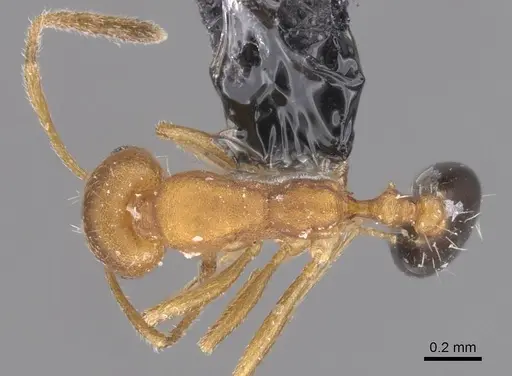
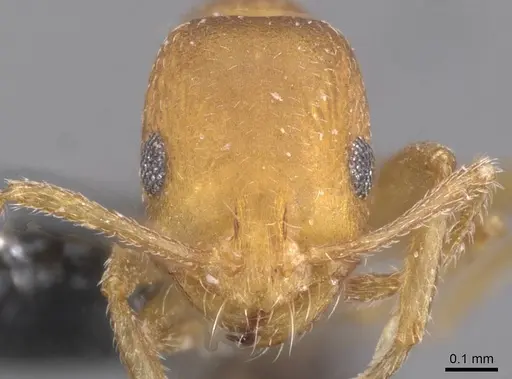
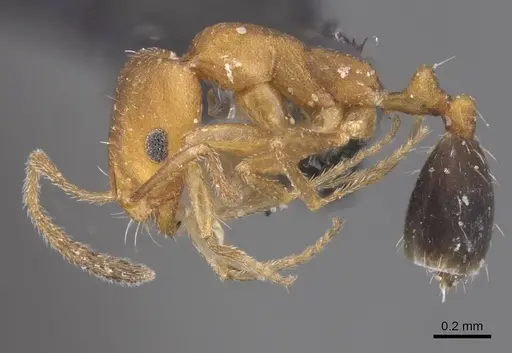
文献
分布マップを読み込み中...製品情報を読み込み中...