
Monomorium jizane
- 学名
- Monomorium jizane
- 族
- Solenopsidini
- 亜科
- Myrmicinae
- 命名者
- Collingwood & Agosti, 1996
- 分布
- 0 か国で発見
紹介
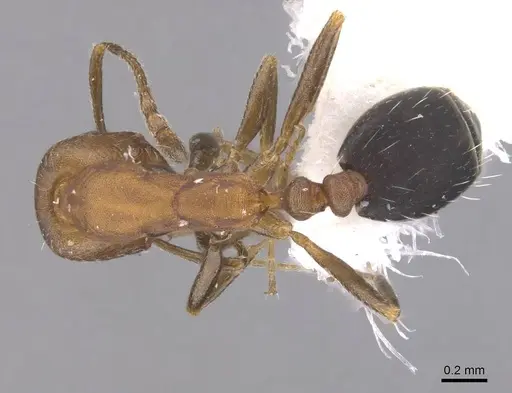
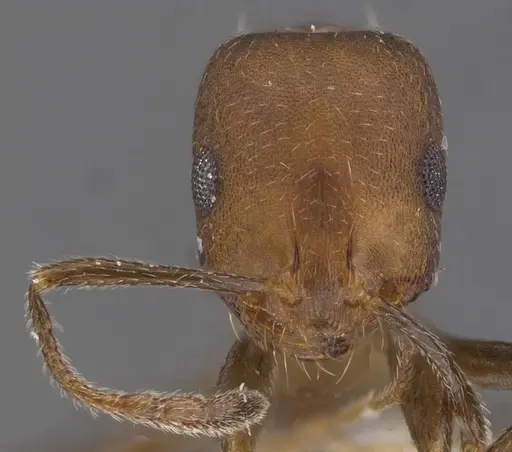
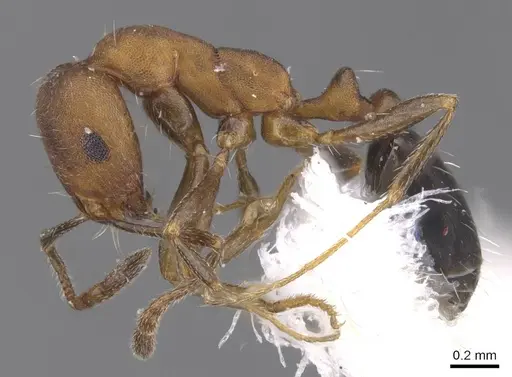
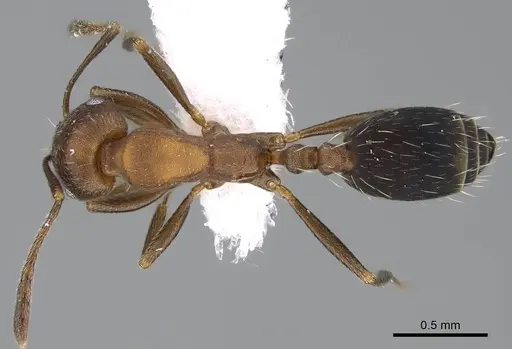
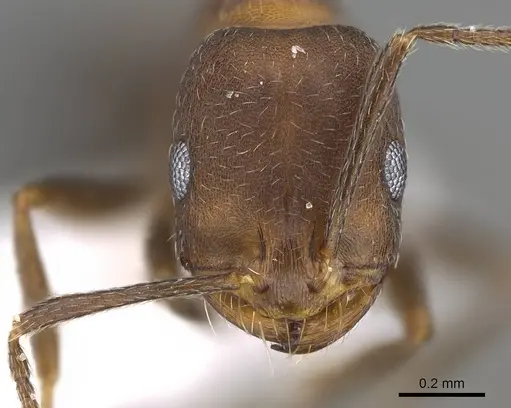
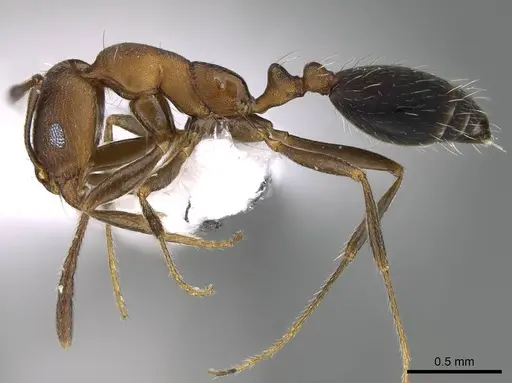
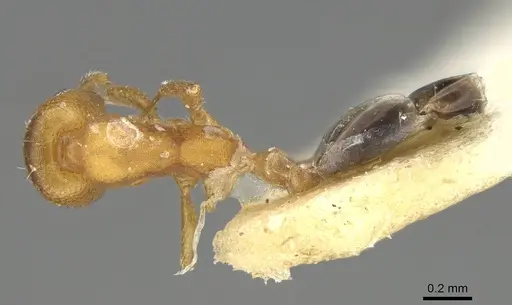
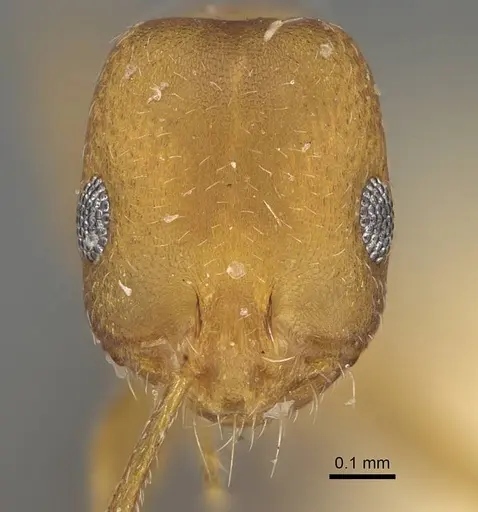
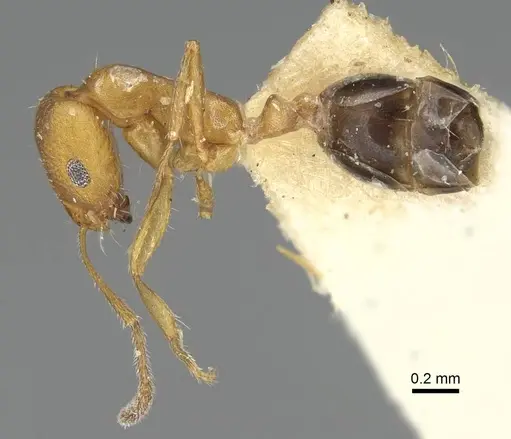
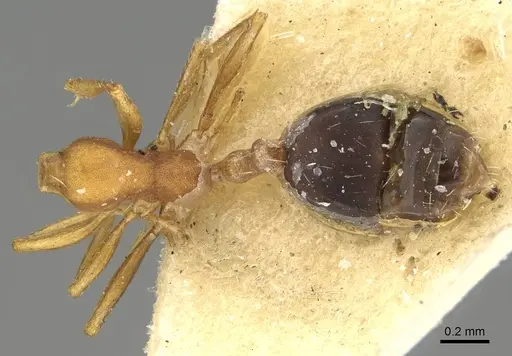
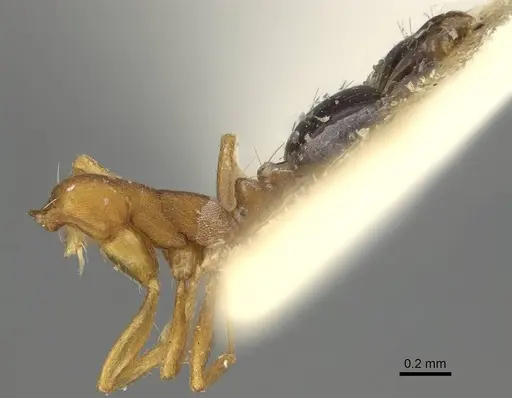
Monomorium jizane is a tiny ant species native to the Arabian Peninsula, found in Saudi Arabia, Oman, and Yemen . Workers measure approximately 2.5mm in total length, making them one of the smaller ant species kept in captivity. They have a distinctive appearance with a bright orange-red head and mesosoma contrasting sharply against an entirely black gaster (abdomen) . This species belongs to the Monomorium salomonis species group and was formally described in 1996 by Collingwood and Agosti. In the wild, they have been collected from leaf litter in Oman, suggesting they prefer sheltered, moderately humid microhabitats rather than fully exposed nests . Their small size and striking coloration make them an interesting species for keepers seeking something different from the more common Lasius or Camponotus species.
Quick Summary
- Difficulty: Medium
- Origin & Habitat: Native to the Arabian Peninsula, Saudi Arabia, Oman, and Yemen. Found in leaf litter in Oman, indicating preference for shaded, humid microhabitats in this arid region [1][3].
- Colony Type: Colony structure is unconfirmed for this specific species.
- Size & Growth:
- Queen: Size data unavailable, queen has not been described in scientific literature
- Worker: Approximately 2.5mm total length [3]
- Colony: Unknown, no documented colony size data exists for this species
- Growth: Unknown
- Development: Unknown, no specific development data exists for this species (Direct development data for this species is unavailable.)
- Antkeeping:
- Temperature: Keep at 22-26°C. Being from a hot region, they can tolerate higher temperatures but avoid extremes. A gentle gradient allows them to self-regulate.
- Humidity: Moderate humidity around 50-60%. Their leaf litter habitat suggests they need some moisture but not wet conditions. Allow substrate to dry partially between water additions.
- Diapause: Winter rest period recommended. Being from the Arabian Peninsula where temperatures drop in winter, expect reduced activity from roughly November-February. Keep them in a cool but frost-free location (10-15°C) during this period.
- Nesting: Y-tong (AAC) nests work well for their small size. The tight chambers and passages help them feel secure. A small outworld allows for foraging. Avoid large, open spaces that may cause stress.
- Behavior: This is a small, generally peaceful species. Workers are active foragers, likely hunting small prey and collecting honeydew in the wild. Their tiny size means excellent escape prevention is essential, they can squeeze through remarkably small gaps. They possess a sting and use it for defense and hunting prey, though due to their small size the sting is not typically harmful to humans. Activity level is moderate, they will establish visible foraging patterns once established.
- Common Issues: escape prevention is critical due to their very small size, use fine mesh and check all connections regularly, slow colony growth can frustrate beginners, these are not fast-growing species, wild-caught colonies may carry parasites that can devastate captive colonies, overheating is a risk, keep nest away from direct sunlight and heating elements set too high, dry conditions will cause colony decline, monitor humidity more carefully than for larger, more resilient species
Housing and Nest Setup
Monomorium jizane requires careful housing due to their tiny size. A Y-tong (AAC) formicarium with narrow chambers and passages is ideal, the tight spaces make them feel secure and prevent escape. Test tube setups work for founding colonies but may need upgrading as the colony grows. The outworld should be small and easy for workers to navigate. Escape prevention cannot be overstated: these ants can and will squeeze through gaps that seem impossible. Use fine mesh (at least 0.5mm), seal all connections with fluon or similar barriers, and check lid seals regularly. A layer of nesting material (soil or sand) allows them to create simple chambers if they want to. Keep the nest area dark or covered, exposed nests often cause stress in small Myrmicinae.
Feeding and Diet
Like other Monomorium species, M. jizane is likely omnivorous with a preference for protein. Feed small protein sources such as fruit flies, pinhead crickets, or small mealworm pieces. They are small enough that standard prey items may be too large, chop prey into manageable pieces or culture small feeder insects. Sugar sources are likely accepted: offer diluted honey water or sugar water regularly. In the wild, they have been associated with springtails (Collembola) [4], suggesting they prey on these in nature. Feed small prey items 2-3 times per week for established colonies, and keep sugar water available at all times. Remove uneaten prey after 24 hours to prevent mold.
Temperature and Seasonal Care
Maintain temperatures between 22-26°C for optimal colony health and development. Being from the Arabian Peninsula, they can tolerate warmer conditions but should be kept away from direct heat sources that could cause overheating. Room temperature within this range is often sufficient. During winter (roughly November-February), allow a natural temperature drop to around 15-18°C to simulate seasonal changes. This winter rest period supports colony health and may trigger spring breeding activity. Do not cool them below 10°C or expose them to frost. Heating cables can be used on one side of the nest to create a gentle gradient, but ensure the other end remains cooler so ants can self-regulate.
Colony Development and Growth
Monomorium jizane colonies likely grow slowly compared to many common ant species. Direct development data is not available for this species. Colonies likely remain small. The slow growth rate means keepers should be patient and avoid disturbing the founding queen unnecessarily. Once established, the colony will maintain a steady population with moderate brood production. These ants can live for several years with proper care.
Defense Mechanism
Monomorium jizane belongs to the subfamily Myrmicinae and tribe Solenopsidini, which are known for their potent stings. These ants use their sting to inject venom composed of piperidine alkaloids, primarily for hunting prey and defending the colony. While their small size means the sting is not typically harmful to humans, they will use it when threatened.
Handling and Temperament
This species is not aggressive toward keepers but will use their sting if threatened. They are not suited for handling but are fascinating to observe. Their small size makes them excellent escape artists, this is the primary concern for keepers. When disturbed, they may flee or use their sting in defense. They are best appreciated through observation of their natural behaviors: foraging, brood care, and colony maintenance. Their dark gaster with orange-red mesosoma creates an attractive contrast that makes them visually distinctive among small ant species.
Frequently Asked Questions
How long does it take for Monomorium jizane to produce first workers?
Direct data is unavailable. Expect several weeks from egg to first worker at optimal temperature (22-26°C). Patience is essential as this is not a fast-growing species.
Can I keep Monomorium jizane in a test tube?
Yes, test tubes work well for founding colonies. Use a small cotton ball for the water reservoir and ensure the tube is properly sealed. Transfer to a formicarium once the colony reaches 20-30 workers or shows signs of space limitations.
What do Monomorium jizane eat?
They are omnivorous. Offer small protein sources like fruit flies, small crickets, or chopped mealworms 2-3 times per week. Keep sugar water or diluted honey available at all times. They may also accept other small insects.
How big do Monomorium jizane colonies get?
Colony size is not documented. Based on typical Monomorium species, expect moderate-sized colonies at maturity. They are not large colony formers.
Do Monomorium jizane need hibernation?
A winter rest period is recommended. Reduce temperatures to around 15-18°C from November to February to simulate their natural seasonal cycle in the Arabian Peninsula.
Are Monomorium jizane good for beginners?
They are rated Medium difficulty. Their small size and escape risk make them slightly more challenging than larger, more resilient species. Experienced beginners can succeed with them, but they require more attention to escape prevention than species like Lasius or Camponotus.
Why are my Monomorium jizane escaping?
Their tiny size allows them to squeeze through impossibly small gaps. Use fine mesh (0.5mm or smaller), apply fluon to rim edges, and check all seals regularly. Even a tiny gap is an escape route for these ants.
Can I keep multiple Monomorium jizane queens together?
This has not been documented. Colony structure is unconfirmed for this species. Combining unrelated queens is not recommended as it may result in aggression.
What temperature is best for Monomorium jizane?
Keep them at 22-26°C. They can tolerate warmer conditions but avoid overheating. A gentle temperature gradient allows them to choose their preferred zone.
Report an Issue
The current care sheet is based fully on literature. See inconsistencies, or something that's incorrect? Please , it will be resolved after review from an admin. Contributing to the blogs tab also helps providing information, to make us be able to further improve the caresheets. Thank you for your support!
References

この飼育シートのライセンスは: CC BY-SA 4.0 .
コミュニティブログ
文献
分布マップを読み込み中...製品情報を読み込み中...