
Monomorium dammame
- 学名
- Monomorium dammame
- 族
- Solenopsidini
- 亜科
- Myrmicinae
- 命名者
- Collingwood & Agosti, 1996
- 分布
- 0 か国で発見
紹介
Monomorium dammame is a tiny, pale yellowish-brown ant endemic to Saudi Arabia. Workers measure 2.3mm in total length, making them one of the smaller ant species. They have an oval head with exceptionally large eyes for their size, and their antennae clearly extend beyond the back of their head when laid back. The body is glossy with brilliant nodes and gaster, giving them a slightly shiny appearance. This species belongs to the Salomonis species group within the genus Monomorium and was described in 1996 from specimens collected in the Dammam region of eastern Saudi Arabia. Nothing has been documented about their biology in the scientific literature, so care recommendations are based on their hot, arid native habitat and what is known about related species in the genus.
Quick Summary
- Difficulty: Medium
- Origin & Habitat: Endemic to Saudi Arabia, specifically the eastern region around Dammam and Al-Khubra. They live in a hot, arid desert environment with extreme temperatures [1].
- Colony Type: Unconfirmed, the colony structure of this species has not been documented. Many Monomorium species are polygynous (multiple queens), but specific data for M. dammame is unavailable.
- Size & Growth:
- Queen: Size data unavailable, queens exist in the type series but no measurements have been published.
- Worker: 2.3mm total length [2]
- Colony: Unknown, no colony size data exists for this species.
- Growth: Unknown, no development data exists for this species.
- Development: Unknown, likely several weeks based on typical Monomorium patterns in warm conditions. (No direct data exists. Related Monomorium species in warm climates typically develop from egg to worker in several weeks at optimal temperatures.)
- Antkeeping:
- Temperature: Keep warm, around 24-28°C. Their native habitat in Saudi Arabia experiences extreme heat, so they tolerate higher temperatures well. A heating cable on one side of the nest creates a useful gradient.
- Humidity: Low to moderate, these are desert ants from an arid region. Keep the nest relatively dry with just minimal moisture. The substrate should feel mostly dry with occasional damp patches.
- Diapause: Likely minimal or no true diapause, Saudi Arabia has mild winters with minimal cold period. However, you may reduce feeding and lower temperatures slightly (to around 18-20°C) during winter months.
- Nesting: Based on their desert origin and related species, they likely prefer dry, sandy substrates. A Y-tong (AAC) nest or plaster nest with low humidity works well. Avoid wet or overly humid setups.
- Behavior: Not documented specifically, but Monomorium species are generally non-aggressive, quick-moving, and often enter homes in search of sweets. They are small enough that escape prevention matters, use fine mesh and tight-fitting barriers. They likely forage for nectar, honeydew, and small insects.
- Common Issues: no biological data exists, everything below is inferred from related species, tiny size means escapes are likely without fine mesh barriers, desert origin means they likely suffer from excess humidity, keep nest dry, winter care is uncertain due to lack of data on their seasonal patterns, growth rate is unknown so patience is required as colonies develop slowly
Appearance and Identification
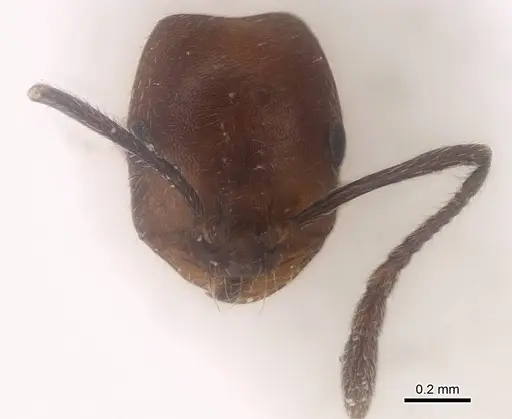
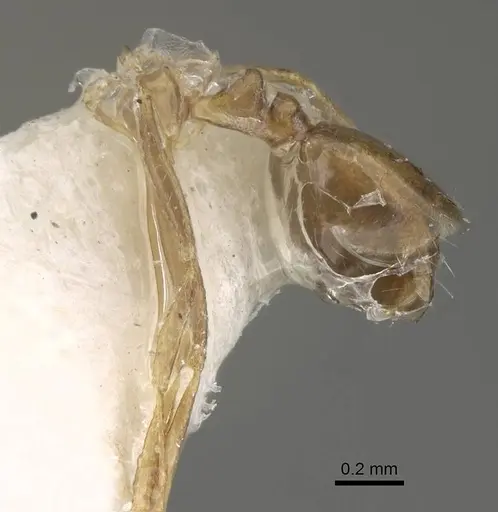
Monomorium dammame workers are tiny at 2.3mm total length. They have a pale yellowish-brown color throughout. The most distinctive feature is their exceptionally large eyes, which set them apart from similar species like Monomorium vatranum. Their head is oval with rounded sides when viewed from above. The antennae are notable because the scapes (the long first segments) clearly extend past the back of the head when laid flat. The petiole (the narrow waist segment) forms a high, rounded triangle shape when viewed from the side. The body surface is glossy with the nodes and gaster (the final abdominal segment) appearing particularly brilliant and shiny. Queens exist in the type series but have not been measured. [2][1]
Natural Habitat and Distribution
This species is endemic to Saudi Arabia, meaning it's found nowhere else in the world. Specimens have been collected from two locations: Dammam on the Persian Gulf coast (26°24'N,50°11'E) and Al-Khubra further inland. The region experiences an extreme desert climate with very hot summers where temperatures regularly exceed 40°C and mild winters. Rainfall is minimal, typically less than 100mm per year. Based on the collection dates (May and September), these ants are active during the warm months. The type specimens were collected in 1976 and 1978,with no additional ecological data recorded. [2]
Nest Preferences
No direct observations exist of their natural nesting behavior. However, being from the Salomonis species group in a desert environment, they almost certainly nest in soil or under stones in dry locations. For captive care, a Y-tong (AAC) nest or plaster nest works well, both allow you to control humidity precisely. Keep humidity low since these are desert ants. A thin layer of sandy substrate at the bottom of the outworld helps simulate their natural environment. Because they're tiny, ensure all connections and barriers are secure, they can squeeze through surprisingly small gaps.
Feeding and Diet
The specific diet of Monomorium dammame has not been documented. Like other Monomorium species, they likely forage for nectar, honeydew from aphids, and small insects. In captivity, offer a varied diet: sugar water or honey as a constant energy source, and protein sources like small crickets, fruit flies, or mealworms. Since they're so tiny, prey items should be appropriately sized, springtails or fruit fly pupae work well. Feed protein 2-3 times per week, and remove any uneaten food promptly to prevent mold. The large eyes suggest they are visually oriented foragers, so they may actively hunt small prey.
Temperature and Seasonal Care
Keep them warm, aim for 24-28°C during the active season. Their native habitat in Saudi Arabia sees extreme summer heat, so they tolerate higher temperatures well. A heating cable on one side of the nest creates a temperature gradient they can choose from. During winter, you likely don't need a true diapause since Saudi Arabia has mild winters, but you can reduce temperatures to around 18-20°C and reduce feeding frequency. This simulates the slightly cooler, less active period they would experience naturally. Watch colony activity levels, if they become sluggish, temperatures may be too low.
Behavior and Temperament
Specific behavioral observations don't exist for this species, but Monomorium ants in general are not aggressive and are quick-moving. They're considered minor pests in some regions because they enter homes seeking sweet foods. Their small size means they're easily overlooked but also means they can escape through tiny gaps. Use fluon on nest rims and fine mesh on outworlds. They're likely to be more active in the warmer parts of the nest and may form trails to food sources. Workers probably live several months, and colonies grow gradually over time.
Frequently Asked Questions
How long does it take for Monomorium dammame to produce first workers?
We don't have specific data for this species. Based on related Monomorium species in warm conditions, expect several weeks from egg to first worker. The lack of data means you should be patient and focus on providing optimal conditions.
What temperature should I keep Monomorium dammame at?
Keep them warm at 24-28°C. They originate from hot Saudi Arabian deserts and tolerate higher temperatures well. A heating cable on part of the nest creates a gradient they can choose from.
Do Monomorium dammame ants need hibernation?
Probably not a true hibernation. Saudi Arabia has mild winters, so you don't need cold treatment. Simply reduce feeding and lower temperatures slightly (to around 18-20°C) during winter months.
How big do Monomorium dammame colonies get?
Colony size is unknown, no scientific data exists on maximum colony sizes for this species.
What do Monomorium dammame ants eat?
Their specific diet hasn't been studied. Offer sugar water or honey for carbohydrates, and small protein sources like fruit flies, springtails, or tiny cricket pieces. They're likely omnivorous like other Monomorium species.
Are Monomorium dammame good for beginners?
They present a challenge because almost no biological data exists, you're essentially pioneering their care. Related Monomorium species are manageable, but the lack of species-specific information makes them better for intermediate antkeepers who can interpret colony behavior.
Can I keep multiple queens together?
We don't know the colony structure of this species. Many Monomorium species are polygynous (multiple queens), but we have no data for M. dammame. It's best to start with a single queen and only attempt multi-queen setups if you observe acceptance.
What humidity level do Monomorium dammame need?
Keep humidity low, these are desert ants from arid Saudi Arabia. The nest should be relatively dry with minimal moisture. Avoid wet or humid setups that could kill them.
How do I house Monomorium dammame in captivity?
Use a setup with excellent escape prevention due to their tiny size. A Y-tong (AAC) nest or plaster nest works well for controlling humidity. Keep the nest dry and provide a warm, stable environment.
Report an Issue
The current care sheet is based fully on literature. See inconsistencies, or something that's incorrect? Please , it will be resolved after review from an admin. Contributing to the blogs tab also helps providing information, to make us be able to further improve the caresheets. Thank you for your support!
References

この飼育シートのライセンスは: CC BY-SA 4.0 .
コミュニティブログ
CASENT0922331
AntWebで見る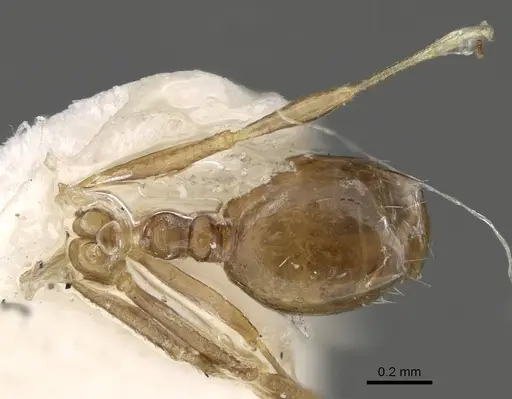
文献
分布マップを読み込み中...製品情報を読み込み中...