
Messor turcmenochorassanicus
- 学名
- Messor turcmenochorassanicus
- 族
- Stenammini
- 亜科
- Myrmicinae
- 命名者
- Arnol'di, 1977
- 分布
- 0 か国で発見
紹介
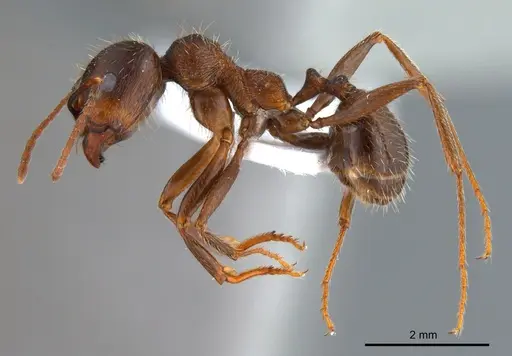
Messor turcmenochorassanicus is a medium-sized seed-harvester ant from the Myrmicinae subfamily. Workers are monomorphic, meaning all workers are roughly the same size . This species is found across the Palaearctic region, specifically in Iran, Kazakhstan, and Turkmenistan . The species was originally described from Turkmenistan and has since been recorded in various Iranian habitats ranging from lowland urban areas around the Caspian Sea (around 3m elevation) to high mountain forest steppe in the Zagros Mountains at over 2600m elevation . As a Messor species, these ants are specialized seed collectors with workers that gather, process, and store seeds as their primary food source. They play an important ecological role in their native dryland ecosystems, particularly as indicator species for Western steppe habitats in Iran . This adaptability to different elevations and habitat types suggests they can tolerate a range of conditions, which may make them relatively flexible for captive care.
Quick Summary
- Difficulty: Easy
- Origin & Habitat: Native to Iran, Kazakhstan, and Turkmenistan in the Palaearctic region. Found in mountain steppe complexes, forest steppe, and parkland areas with moderate rainfall [3][5].
- Colony Type: Single-queen colonies based on typical Messor genus patterns. Colonies are monomorphic with all workers of similar size [1].
- Size & Growth:
- Queen: ~8-12mm, inferred from Messor genus
- Worker: ~4-7mm, inferred from Messor genus
- Colony: Up to several thousand workers, estimated based on related Messor species
- Growth: Moderate
- Development: 6-10 weeks, estimated based on typical Messor development at room temperature (Development time is temperature-dependent, warmer conditions within acceptable range may speed development)
- Antkeeping:
- Temperature: Keep at room temperature (20-24°C). This species comes from temperate regions with moderate seasonal variation, so standard room temperatures work well. A slight gradient is beneficial but not required.
- Humidity: Moderate humidity (40-60%). These ants are adapted to drier steppe environments, so avoid overly damp conditions. Provide a dry outworld area and a moist nest chamber.
- Diapause: Yes, this species originates from temperate regions with distinct seasons. A winter rest period at 10-15°C for 2-3 months is recommended to simulate natural seasonal cycles.
- Nesting: Messor ants do well in Y-tong (AAC) nests, plaster nests, or naturalistic setups with soil. They prefer compact chambers and need adequate floor space for seed storage. A test tube setup works well for founding colonies.
- Behavior: Generally peaceful and non-aggressive toward keepers. Workers are active foragers that collect seeds and bring them back to the nest for processing. They may show minor defensive behavior if the nest is disturbed but rarely bite. Escape risk is moderate, standard barrier methods work well.
- Common Issues: seed storage can lead to mold if humidity is too high, keep the outworld dry, colonies may decline if not given a proper winter rest period, overfeeding can lead to seed hoarding that goes moldy, clean outworld regularly, small colonies may be slow to establish, patience is key during founding phase
Housing and Nest Setup
Messor turcmenochorassanicus does well in a variety of nest types. For founding colonies, a standard test tube setup works perfectly, the queen seals herself in and raises her first brood in the humid chamber at one end. As the colony grows, you can transition to a Y-tong (AAC) nest or a plaster formicarium, which both provide the dark, compact chambers these ants prefer. Naturalistic setups with a soil layer also work well and allow you to observe their seed-sorting and storage behaviors. The nest should have chambers scaled to the colony size, Messor colonies can grow quite large, so plan for expansion. The outworld needs space for seed processing and foraging, and should include a water source.
Feeding and Diet
As seed-harvester ants, Messor turcmenochorassanicus primarily collects and stores seeds. In captivity, offer a variety of seeds, grass seeds, millet, sunflower seeds (cracked open), and commercial ant seed mixes work well. They also supplement their diet with protein. Offer small insects like fruit flies, small crickets, or mealworms occasionally. Some keepers report their Messor colonies accepting small amounts of honey or sugar water, though seeds should form the bulk of their diet. Remove uneaten seeds periodically to prevent mold. The workers will crack larger seeds open using their mandibles and store the processed seeds in dedicated chambers within the nest.
Temperature and Seasonal Care
This species does well at standard room temperature (20-24°C). They originate from temperate regions with distinct seasons, so they benefit from a seasonal cycle. During the active season (spring through fall), keep them at room temperature with normal day/night cycles. In winter, simulate the natural cold period by moving the colony to a cooler location (10-15°C) for 2-3 months. This winter rest period is important for colony health and can trigger reproductive behavior in the following season. Do not cool suddenly, gradually reduce temperature over a week or two. You can skip the hibernation period occasionally, but repeated skipping may weaken the colony over time.
Colony Development and Growth
Like all Messor species, this ant is claustral, the queen seals herself in a chamber and raises her first workers entirely on her own body reserves. The founding queen will not leave the nest to forage during this time. First workers (nanitics) are typically smaller than mature workers but quickly grow as the colony expands. Growth rate is moderate, you can expect the first workers within 6-10 weeks under normal conditions, though this varies with temperature. A healthy colony will grow steadily through the first year, with worker numbers increasing from a handful to several hundred. Maximum colony size for this species is not documented but related Messor species commonly reach several thousand workers.
Behavior and Observation
Messor turcmenochorassanicus is a fascinating species to observe. Workers actively forage for seeds across the outworld, carrying them back to the nest in characteristic trails. Inside the nest, you can watch them sort seeds, crack open larger ones, and store food in dedicated chambers, this granary behavior is one of the most interesting aspects of keeping seed-harvester ants. The colony is generally peaceful and not prone to excessive biting or stinging. Workers may raise their gasters in alarm if threatened, but serious aggression is rare. They are diurnal and most active during daylight hours. The monomorphic workers (all similar size) work efficiently together, with no visible division between minor and major workers.
Frequently Asked Questions
How long does it take for Messor turcmenochorassanicus to produce first workers?
Expect first workers (nanitics) to emerge in 6-10 weeks after the queen lays her first eggs. This timeline is temperature-dependent, warmer temperatures within the acceptable range (up to about 26°C) may speed development slightly, while cooler conditions will slow it down.
What do Messor turcmenochorassanicus ants eat?
They are seed-harvesters, so seeds should form the bulk of their diet. Offer a mix of grass seeds, millet, cracked sunflower seeds, and commercial ant seed mixes. They also need occasional protein from small insects like fruit flies or small mealworms. Some colonies will accept honey or sugar water as a supplement.
Do Messor turcmenochorassanicus ants need hibernation?
Yes, a winter rest period is recommended. These ants come from temperate regions with distinct seasons. During winter, keep the colony at 10-15°C for 2-3 months. This mimics their natural cycle and helps maintain colony health. Skip hibernation occasionally is acceptable, but repeated skipping may weaken the colony over time.
What size colony does Messor turcmenochorassanicus reach?
While exact maximum size is not documented for this specific species, related Messor species typically reach several thousand workers. With proper care, your colony should grow steadily over 2-3 years to several hundred workers, then continue expanding.
Is Messor turcmenochorassanicus good for beginners?
Yes, this species is beginner-friendly. They are relatively forgiving of minor care mistakes, do not require specialized equipment, and are not overly aggressive. The main challenges are providing proper winter hibernation and managing seed storage to prevent mold. Their interesting seed-harvesting behavior makes them rewarding to keep.
What temperature should I keep Messor turcmenochorassanicus at?
Room temperature (20-24°C) is ideal for this species. They come from temperate regions and do not require additional heating in most homes. A slight temperature gradient across the nest is beneficial but not required. Avoid temperatures above 30°C or below 15°C for extended periods.
Can I keep multiple Messor turcmenochorassanicus queens together?
This species is monogyne (single-queen) based on typical Messor patterns. Combining unrelated foundress queens is not recommended and likely to result in fighting. If you acquire multiple founding queens, house them separately.
Do Messor turcmenochorassanicus ants sting?
Messor ants have stingers but rarely use them. Workers may display defensive behavior (raising their gaster) if the nest is heavily disturbed, but actual stinging is uncommon. They are not considered dangerous to humans.
When should I move my Messor turcmenochorassanicus colony to a formicarium?
Keep founding colonies in test tubes until they have 20-30 workers and the tube is becoming crowded. At that point, you can carefully transfer them to a Y-tong or plaster nest. Messor colonies can be moved to naturalistic setups at any size, but ensure the outworld has adequate space for their seed-processing activities.
Why are my Messor turcmenochorassanicus workers dying?
Common causes include: mold from overly damp conditions or rotting seeds (improve ventilation and clean outworld regularly), stress from improper hibernation (ensure proper winter rest), or insufficient protein (offer small insects more frequently). A few workers dying is normal, but sudden mass deaths indicate a problem with humidity, temperature, or disease.
Report an Issue
The current care sheet is based fully on literature. See inconsistencies, or something that's incorrect? Please , it will be resolved after review from an admin. Contributing to the blogs tab also helps providing information, to make us be able to further improve the caresheets. Thank you for your support!
References

この飼育シートのライセンスは: CC BY-SA 4.0 .
コミュニティブログ
ANTWEB1008076
AntWebで見る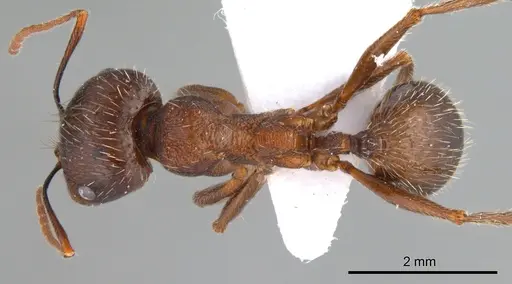
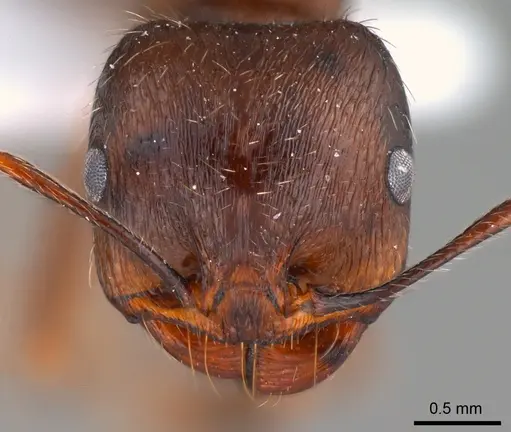
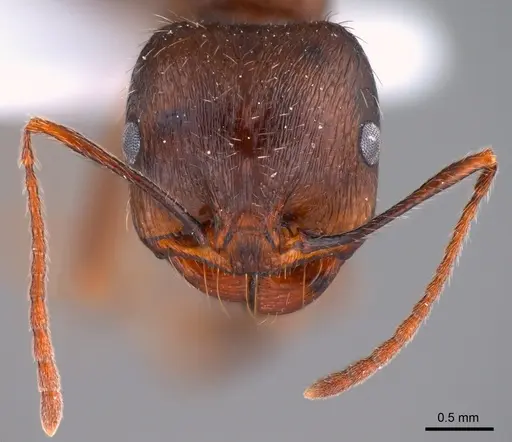
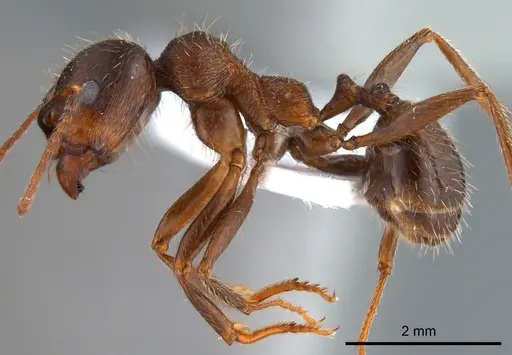
文献
分布マップを読み込み中...製品情報を読み込み中...