
紹介
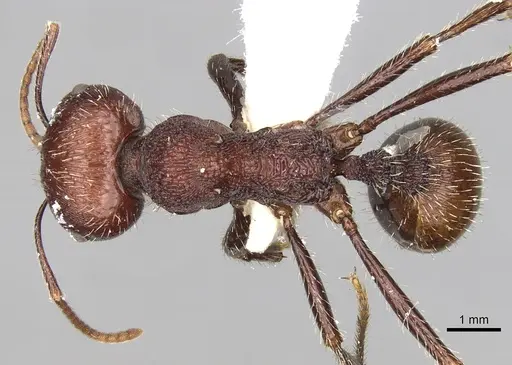
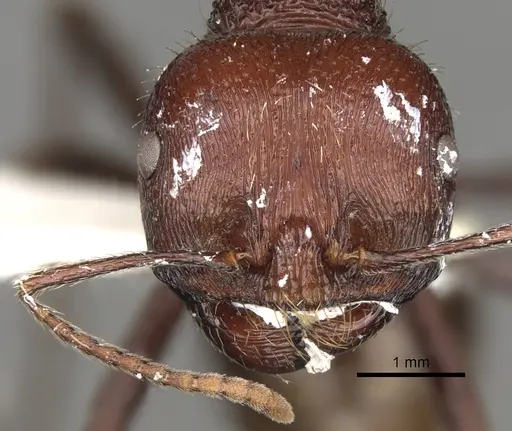
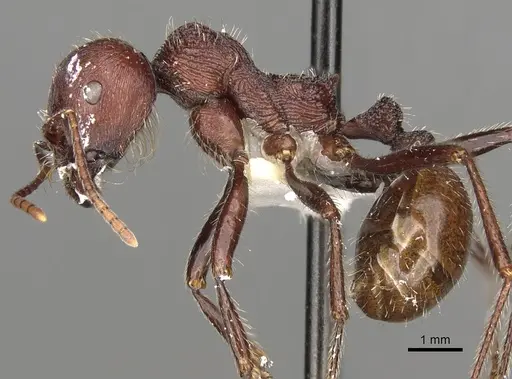
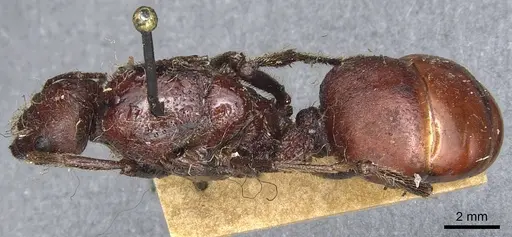
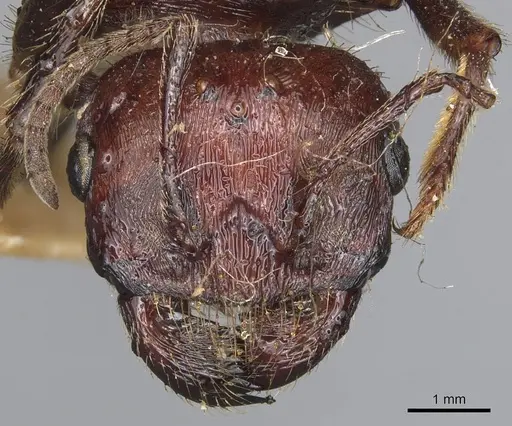
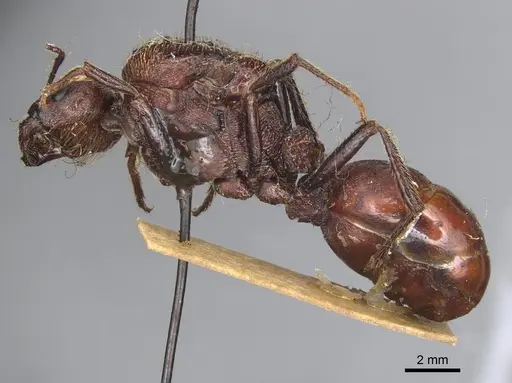
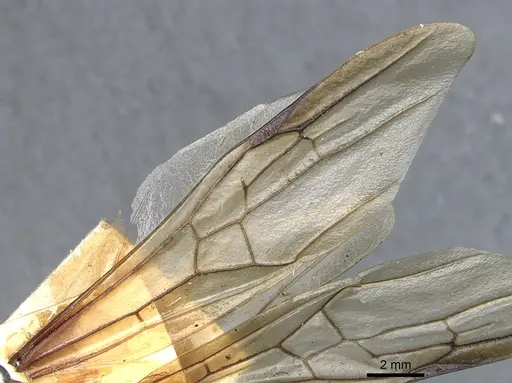
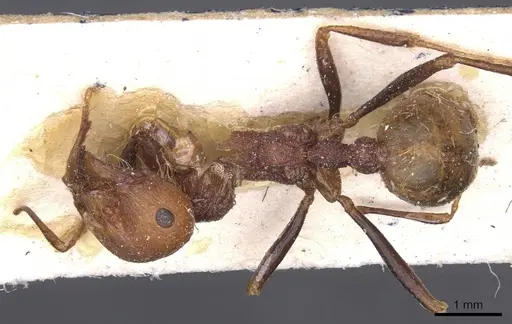
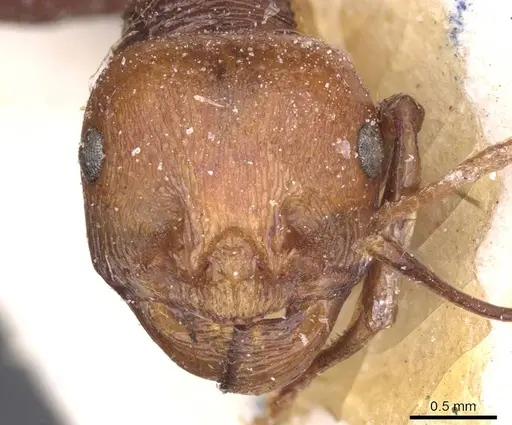
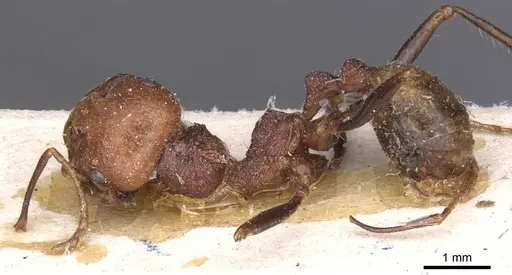
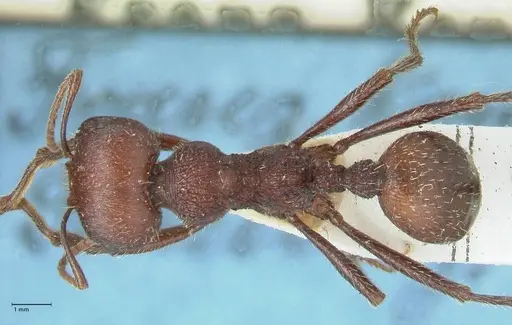
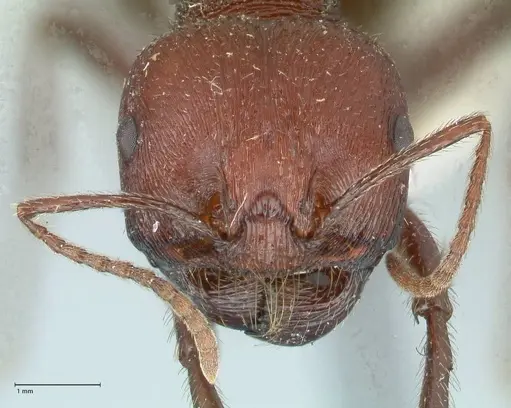
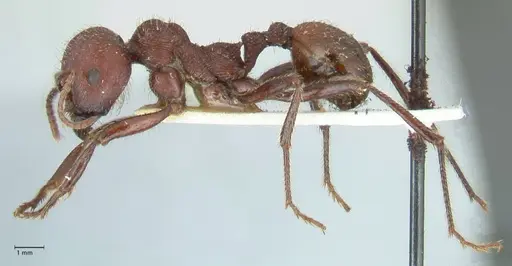
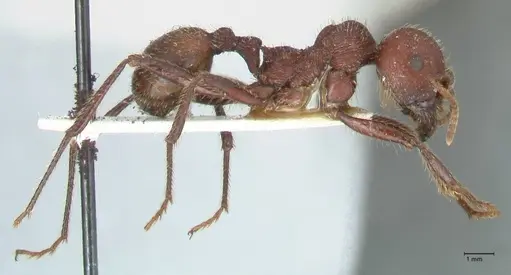
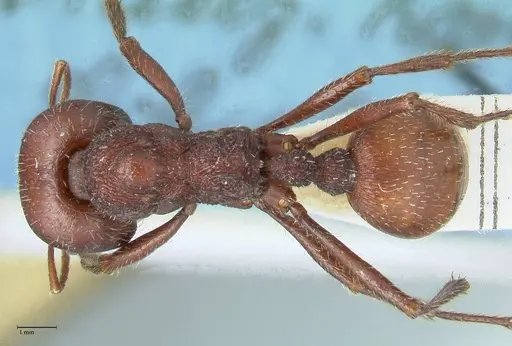
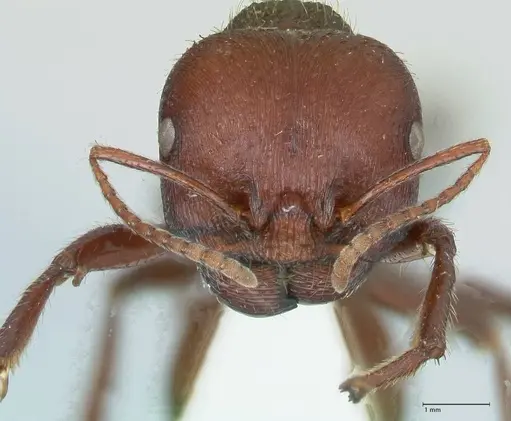
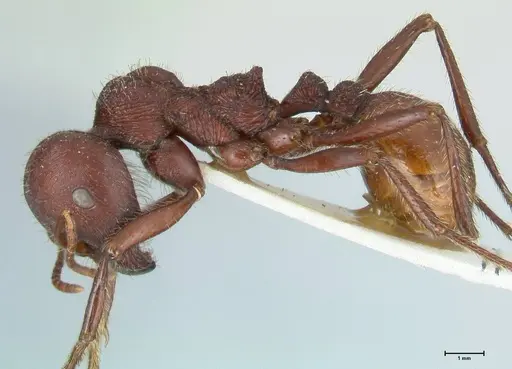
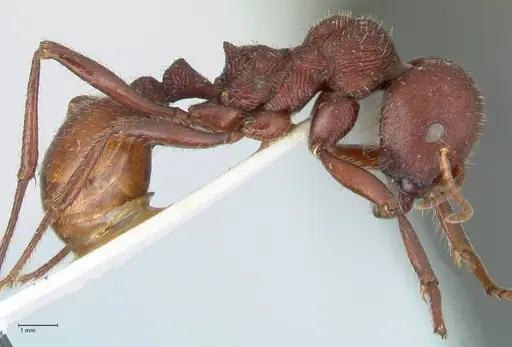
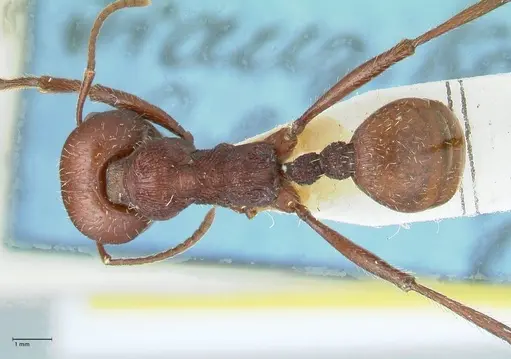
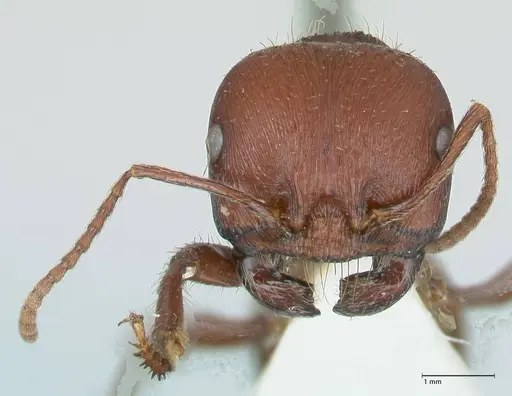
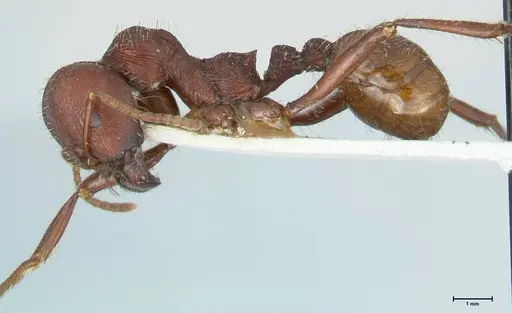
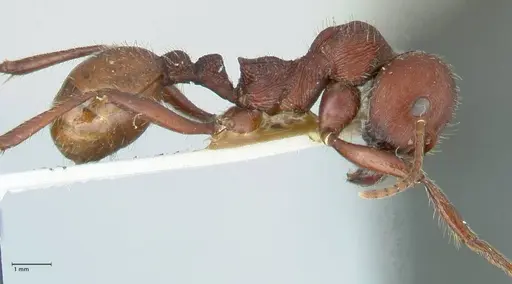
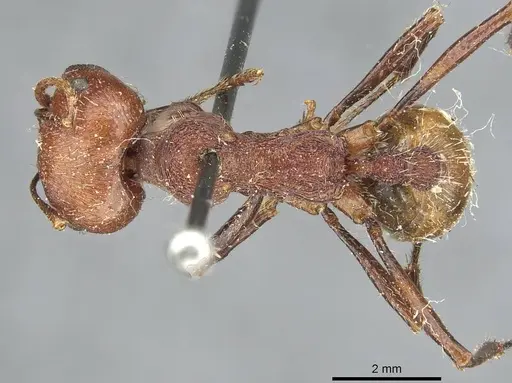
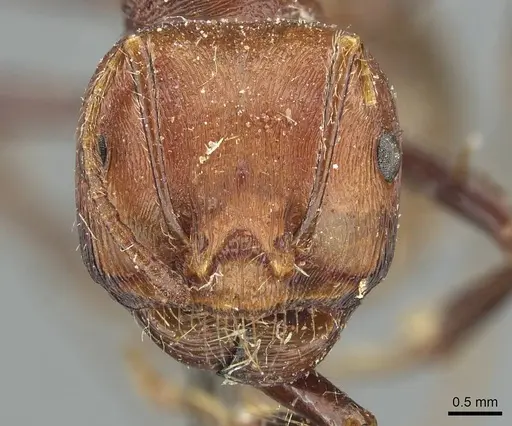
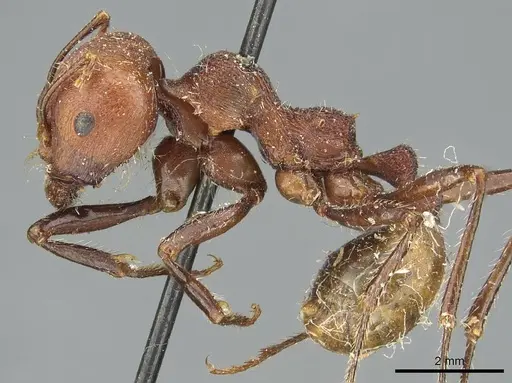
Messor regalis is a large harvester ant species native to West and Central Africa, found in Benin, Congo, Ivory Coast, and Nigeria. Workers are medium to large sized with a distinctive appearance featuring coarse rugose sculpture covering most of their body - a unique trait that makes them easily recognizable compared to other Messor species in the region. They have propodeal spines and dense pilosity (long hairs) covering their head and body. The coloration ranges from dull red to reddish-brown, sometimes with an orange tint on the gaster (abdomen). Queens were originally described by Emery in 1892. These ants are seed harvesters, collecting and storing seeds as their primary food source .
Quick Summary
- Difficulty: Medium
- Origin & Habitat: West and Central Africa, found in Benin, Congo, Ivory Coast, and Nigeria. They inhabit tropical regions and are adapted to warm conditions typical of these areas [2].
- Colony Type: Colony structure is unconfirmed for this species. Based on typical Messor genus patterns, colonies likely have a single queen.
- Size & Growth:
- Queen: Size data unavailable, inferred from related Messor species to be approximately 9-12mm
- Worker: Approximately 5-9mm total length, inferred from head width measurements (3.00-4.50+ mm) reported in literature
- Colony: Likely reaches several thousand workers at maturity based on typical Messor genus development
- Growth: Moderate, seed-harvesting ants typically grow at a steady pace
- Development: Estimated 8-12 weeks based on typical Messor development at warm temperatures (Development time depends on temperature, warmer conditions speed up development)
- Antkeeping:
- Temperature: Keep at 26-30°C, these are tropical ants requiring warm conditions. A heating cable on one side of the nest creates a gradient allowing workers to regulate their temperature.
- Humidity: Moderate humidity. Keep the nest substrate consistently moist but not waterlogged. Provide a water tube for drinking access.
- Diapause: Not required, being from tropical Africa, they do not need hibernation.
- Nesting: Ground-nesting species. In captivity, they do well in naturalistic setups with deep soil substrate (at least 5-10cm) for seed storage chambers, or in Y-tong/plaster nests with adequate depth. They need space for their granaries (seed storage areas).
- Behavior: Generally calm and not overly aggressive, but will defend their nest and food stores. As seed harvesters, they are foragers that collect seeds and bring them back to the nest for storage. Workers are polymorphic (varying sizes), with major workers capable of cracking larger seeds. They are active foragers. Escape risk is moderate, use standard barrier methods.
- Common Issues: colonies may fail if kept too cold, maintain warm temperatures year-round, seed storage chambers can mold if humidity is too high without ventilation, overfeeding can lead to seed germination in nest chambers, provide seeds in a feeding dish outside the nest, slow founding phase, new colonies take time to establish and may appear inactive, wild-caught colonies may contain parasites that can devastate captive colonies
Nest Preferences and Housing
Messor regalis is a ground-nesting species that requires depth for their seed storage behavior. In the wild, they create underground chambers for storing harvested seeds. For captive care, provide a naturalistic setup with at least 5-10cm of substrate (sand/soil mix works well) or a Y-tong/plaster formicarium with deep chambers. The nest should include areas for the queen, brood chambers, and granary spaces where they can store seeds. Avoid nests with only shallow chambers, these ants need room to organize their food stores. Outworld space should be adequate for foraging, and you can include a separate feeding area where you offer seeds and protein foods. [2]
Feeding and Diet
As seed harvesters, Messor regalis primarily collects and stores seeds. In captivity, offer a variety of seeds, grass seeds, millet, sunflower seeds (cracked for smaller workers), and other small seeds. They have polymorphic workers, with larger majors capable of cracking bigger seeds. Beyond seeds, they also need protein sources. Offer small insects like fruit flies, small crickets, or mealworms periodically. Some keepers report that Messor species will also accept sugar water or honey as an energy boost, though seeds remain their primary food. Always provide a water source, a test tube with a cotton plug works well. Remove any uneaten seeds or prey that might mold in the outworld. [1][2]
Temperature and Seasonal Care
Being from tropical West and Central Africa, Messor regalis requires warm temperatures to thrive. Keep the nest area at 26-30°C for optimal brood development. A heating cable placed on one side of the nest creates a temperature gradient that allows workers to move to their preferred temperature zone. Room temperature alone is likely insufficient unless your room stays consistently warm. Unlike temperate species, they do not require hibernation or diapause. Monitor your colony's activity levels, if workers seem sluggish, consider increasing the temperature slightly. [2]
Behavior and Colony Dynamics
Messor regalis exhibits typical harvester ant behavior. Workers forage for seeds and other food sources, carrying them back to the nest for storage in specialized granary chambers. The colony has polymorphic workers, smaller workers handle general tasks while larger majors can crack harder seeds and defend the nest. Queens seal themselves in a chamber to raise the first brood on stored fat reserves. Once the first workers emerge, the colony becomes more active as foragers search for seeds. These ants are generally not aggressive toward keepers but will defend their food stores and nest if threatened. Major workers can deliver a mild sting if provoked. [2]
Frequently Asked Questions
How long does it take for Messor regalis to raise their first workers?
Expect 8-12 weeks from egg to first worker at optimal temperatures (26-30°C). The exact time depends on temperature and how well the queen is fed. Founding colonies often appear inactive as the queen seals herself in, this is normal behavior.
Can I keep Messor regalis in a test tube setup?
Test tubes can work for founding colonies, but you will need to move them to a more spacious setup once the colony grows. These ants need depth for seed storage, so a naturalistic setup or deep formicarium is better for established colonies.
What do Messor regalis eat?
They are seed harvesters, offer various seeds like grass seeds, millet, and cracked sunflower seeds. They also need protein from small insects like fruit flies or mealworms. Always provide fresh water.
Do Messor regalis ants sting?
Yes, they can sting. The sting is mild for most people, similar to a mosquito bite. Major workers are more likely to defend the nest if provoked.
Are Messor regalis good for beginners?
They are intermediate difficulty. While not as challenging as some exotic species, they do require warm temperatures and proper seed storage space. Their slower founding phase may test beginner patience.
How big do Messor regalis colonies get?
Mature colonies likely reach several thousand workers based on typical Messor genus patterns. Growth is moderate, expect several months before you see significant colony expansion.
Do Messor regalis need hibernation?
No, they do not require hibernation. Being from tropical Africa, they are adapted to year-round warm conditions. Simply maintain consistent temperatures of 26-30°C.
When should I move my Messor regalis to a formicarium?
Move them when the colony reaches around 20-30 workers and the test tube is becoming crowded. A naturalistic setup with soil depth works best for these seed-storing ants.
Why are my Messor regalis not eating seeds?
They may still be in the founding phase, or the seeds offered may be too large. Try offering smaller seeds or cracking larger ones. Also ensure they have protein available, they may prioritize insects over seeds if protein-deprived.
Can I keep multiple Messor regalis queens together?
Not recommended. Based on typical Messor patterns, colonies likely have a single queen. Combining unrelated queens typically results in fighting.
Report an Issue
The current care sheet is based fully on literature. See inconsistencies, or something that's incorrect? Please , it will be resolved after review from an admin. Contributing to the blogs tab also helps providing information, to make us be able to further improve the caresheets. Thank you for your support!
References

この飼育シートのライセンスは: CC BY-SA 4.0 .
コミュニティブログ
文献
分布マップを読み込み中...製品情報を読み込み中...