
Meranoplus occidentalis
- 学名
- Meranoplus occidentalis
- 族
- Crematogastrini
- 亜科
- Myrmicinae
- 命名者
- Schödl, 2007
- 分布
- 0 か国で発見
紹介
Meranoplus occidentalis is a medium-sized myrmicine ant native to the coastal regions of western and south-western Australia. Workers measure 6.10-7.75mm in total length with a distinctly wide, shield-like promesonotum and remarkably large eyes that set them apart from most other Australian ants . The species occurs in two color varieties: one with a light-brown body and reddish gaster and legs, and another with dark brown to piceous body coloring . This ant belongs to the M. taurus species complex and is not easily confused with any other Australian Meranoplus due to its unique morphological features . What makes M. occidentalis interesting for antkeepers is its granivorous diet - these ants are seed-eaters, which is unusual among Myrmicinae and makes them distinct from typical insect-feeding ants. They nest in the ground in the arid to semi-arid coastal regions of Western Australia.
Quick Summary
- Difficulty: Medium
- Origin & Habitat: South-western and western coastal Australia, particularly Western Australia around the Tambray region. They inhabit arid to semi-arid coastal zones and nest in the ground [1].
- Colony Type: Colony structure is not documented in scientific literature. Based on typical Meranoplus patterns, likely single-queen colonies, but this requires confirmation.
- Size & Growth:
- Queen: Size data unavailable, queen measurements are not documented in available literature
- Worker: 6.10-7.75 mm [1]
- Colony: Colony size is not documented in available literature
- Growth: Unknown, no development data available
- Development: Unknown for this specific species. Based on typical Myrmicinae patterns in similar Australian species, estimate 6-10 weeks at optimal temperature. (No direct development studies exist for M. occidentalis. Estimates are based on genus-level patterns.)
- Antkeeping:
- Temperature: Keep around 24-28°C. These are Australian ants from a warm climate, so they prefer temperatures in the low-to-mid 20s°C range. Provide a gentle thermal gradient so workers can self-regulate.
- Humidity: Arid to semi-arid origin suggests moderate to low humidity needs. Allow the nest substrate to dry partially between waterings, aim for generally dry conditions with occasional moisture zones, not constantly damp substrate.
- Diapause: Unknown for this specific species. Western Australia experiences mild winters, so a short dormancy period may benefit colonies, though this is not confirmed.
- Nesting: Ground-nesting species. In captivity, they do well in naturalistic setups with soil or sand substrate, or Y-tong/plaster nests with chambers scaled to their medium size. Provide a digging medium deep enough for them to create tunnels.
- Behavior: Workers are moderately active foragers. Their large eyes may indicate enhanced visual navigation. They are granivorous, collecting and storing seeds, this is a notable behavioral trait. Escape risk is moderate, they are medium-sized ants but active climbers, so standard barrier methods work well. Temperament is not aggressive, they are generally peaceful colony inhabitants.
- Common Issues: lack of development data makes precise care challenging, keepers must experiment with temperature and feeding, granivorous diet requires seed offerings that many antkeepers don't typically provide, origin data is limited, Western Australian climate conditions may not fully translate to captive setups, colony size and growth rate are unknown, making it difficult to plan for long-term housing needs
Housing and Nest Setup
Meranoplus occidentalis is a ground-nesting ant that naturally creates nests in soil. For captive housing, a naturalistic setup with a deep soil or sand mixture works well, this allows the colony to dig and create their own tunnel systems. Alternatively, a Y-tong nest with appropriately sized chambers (medium-scale, roughly 8-10mm passages) provides good visibility and easier maintenance. Because they are medium-sized ants (6-7.75mm), standard formicarium chambers work fine without being too large. Include an outworld area for foraging where you can offer food. Escape prevention should be moderate, these ants can climb smooth surfaces but are not particularly escape-prone compared to tiny species. [1]
Feeding and Diet
This is one of the most distinctive aspects of M. occidentalis, they are granivorous, meaning they eat seeds [1]. This sets them apart from many Myrmicinae that focus primarily on protein sources like insects. In captivity, offer a variety of seeds suitable for small ant species: grass seeds, millet, chia, or commercial ant seed mixes work well. They will also accept protein sources, so offering small insects like fruit flies, pinhead crickets, or mealworm pieces occasionally is beneficial. Sugar water or honey can be offered as an energy source, though seeds should form the dietary foundation. Provide fresh water at all times.
Temperature and Heating
As an Australian species from the warm coastal regions of Western Australia, M. occidentalis prefers temperatures in the low-to-mid 20s°C range. A target of 24-28°C is appropriate for active colony function and brood development. Use a heating cable or mat on one side of the nest to create a thermal gradient, this allows workers to move between warmer and cooler areas as needed. Place the heating element on top of the nest, not underneath, to avoid excessive drying. Room temperature may be sufficient if your home stays around 22-25°C, but supplemental heating often promotes more active foraging and growth.
Humidity and Water
Being from the arid to semi-arid coastal regions of Western Australia, these ants prefer drier conditions than many tropical species. Keep the nest substrate relatively dry, allow it to dry out substantially between waterings. Unlike rainforest ants that need constantly damp substrate, M. occidentalis does well with a moisture gradient: one area slightly damp, other areas dry. Overwatering is a greater risk than underwatering with this species. A water test tube connected to the nest provides constant drinking water. [1]
Colony Development and Growth
Specific development data for M. occidentalis is not available in the scientific literature. Workers measure 6.10-7.75mm, making them medium-sized ants, and colony growth is expected to be moderate rather than rapid. The first workers (nanitics) will likely emerge 6-10 weeks after founding based on typical Myrmicinae patterns, but this is an estimate only. Colonies should be given time to develop naturally without pressure for rapid growth. Monitor colony activity levels, active foraging and brood presence indicate healthy development.
Seasonal Care and Wintering
Western Australia experiences mild winters in the coastal regions where this species is found, but temperatures do drop significantly. A short winter rest period may benefit the colony, though it is not strictly required. If you choose to simulate winter, reduce temperatures to 15-18°C for 4-6 weeks during the cooler months. Reduce feeding during this period as the colony's activity will slow. Do not feed heavily during dormancy as uneaten food can mold. This species is not well-documented for diapause requirements, so observe your colony's natural activity patterns and adjust accordingly.
Frequently Asked Questions
What do Meranoplus occidentalis ants eat?
They are granivorous, they eat seeds. Offer grass seeds, millet, chia, or small seed mixes. They also accept protein (small insects) and sugar sources (honey or sugar water) as supplements. Seeds should form the foundation of their diet.
How big do Meranoplus occidentalis workers get?
Workers measure 6.10-7.75mm, making them medium-sized ants [1].
What size nest do I need for Meranoplus occidentalis?
A medium-sized nest works well, standard formicarium chambers scaled for 6-8mm ants are appropriate. They can be kept in naturalistic setups with soil substrate or in Y-tong/plaster nests with medium chambers.
Do Meranoplus occidentalis ants need hibernation?
Not definitively documented, but likely a short winter rest is beneficial given their Western Australian origin. A 4-6 week period at 15-18°C during winter may help, but is not strictly required.
Are Meranoplus occidentalis good for beginners?
They are rated as medium difficulty. Their granivorous diet is unusual and requires different feeding than typical ant species. The lack of detailed care documentation also adds challenge. They may be better suited for keepers with some antkeeping experience.
Where is Meranoplus occidentalis found?
They are native to south-western and western coastal Australia, particularly Western Australia in the Tambray region [1].
How long does it take for Meranoplus occidentalis to develop from egg to worker?
This is not directly documented. Based on typical Myrmicinae development, estimate 6-10 weeks at optimal temperature (24-28°C), but this is an educated guess rather than confirmed data.
Do Meranoplus occidentalis ants sting?
Meranoplus species are not known for painful stings. They are generally peaceful ants. However, they may bite if threatened, though this is not a significant concern for antkeepers.
What temperature should I keep Meranoplus occidentalis at?
Keep them around 24-28°C. This Australian species prefers warm conditions. A thermal gradient allowing workers to self-regulate is ideal.
How many queens does Meranoplus occidentalis have?
Colony structure is not well-documented. Based on typical Meranoplus patterns, they likely have single-queen colonies, but this requires confirmation through additional research.
Can I keep Meranoplus occidentalis in a test tube setup?
A test tube setup can work for founding colonies, but they will eventually need more space. A test tube with a water reservoir works for the founding stage, but transfer to a larger formicarium or naturalistic setup as the colony grows.
What makes Meranoplus occidentalis different from other ants?
Their granivorous (seed-eating) diet is unusual among Myrmicinae. They also have remarkably large eyes and a distinctive wide, shield-like promesonotum that makes them easily identifiable [1].
Report an Issue
The current care sheet is based fully on literature. See inconsistencies, or something that's incorrect? Please , it will be resolved after review from an admin. Contributing to the blogs tab also helps providing information, to make us be able to further improve the caresheets. Thank you for your support!
References

この飼育シートのライセンスは: CC BY-SA 4.0 .
コミュニティブログ
ANTWEB1041387
AntWebで見る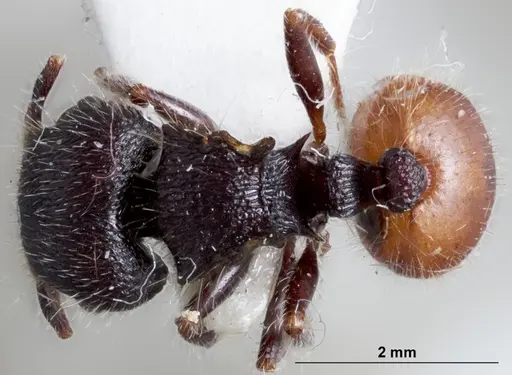
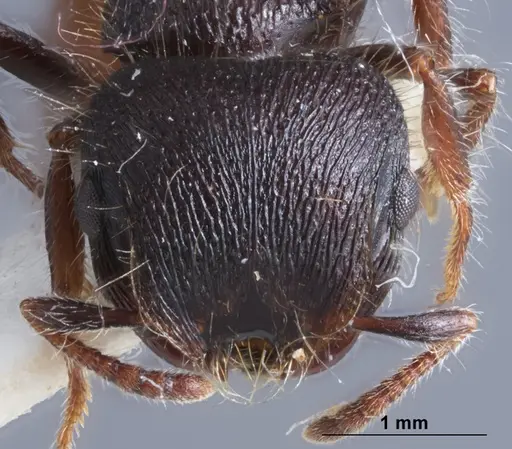
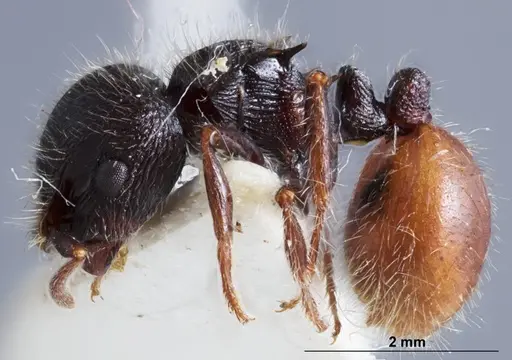
文献
分布マップを読み込み中...製品情報を読み込み中...