
Meranoplus nepalensis
- 学名
- Meranoplus nepalensis
- 族
- Crematogastrini
- 亜科
- Myrmicinae
- 命名者
- Schödl, 1998
- 分布
- 0 か国で発見
紹介
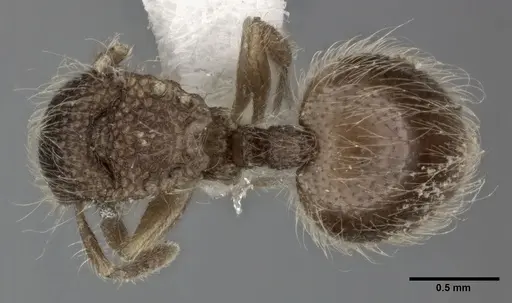
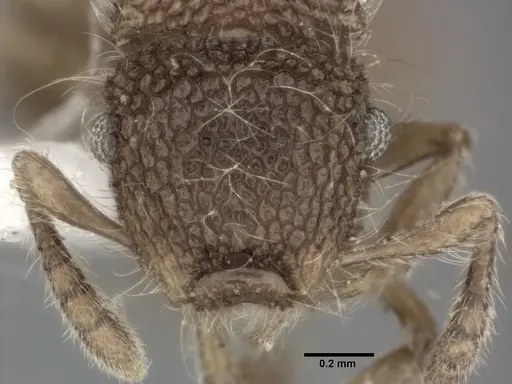
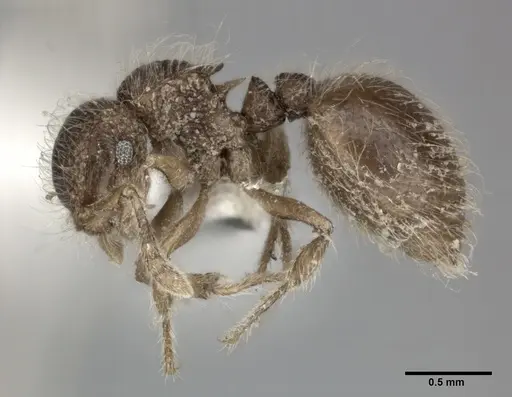
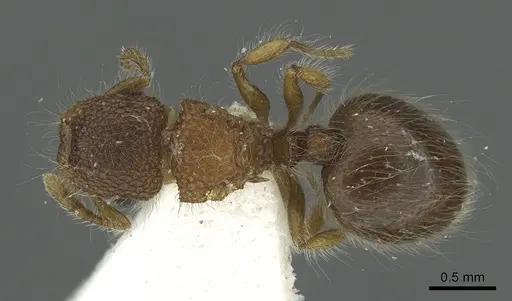
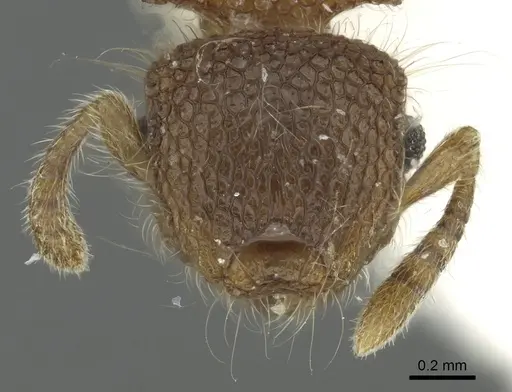
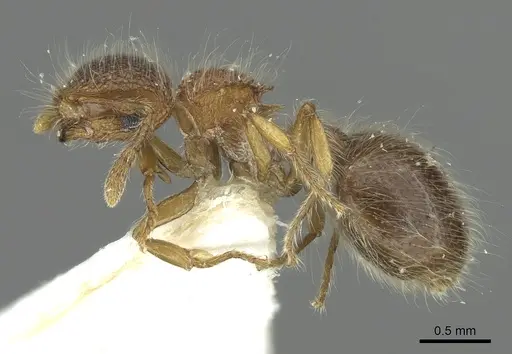
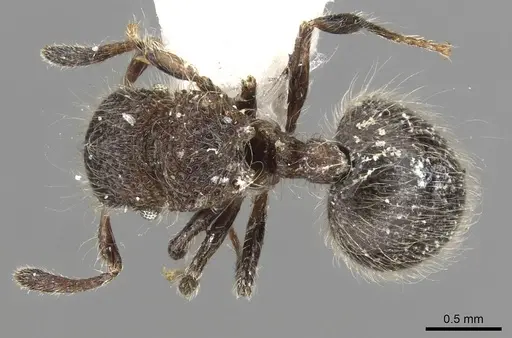
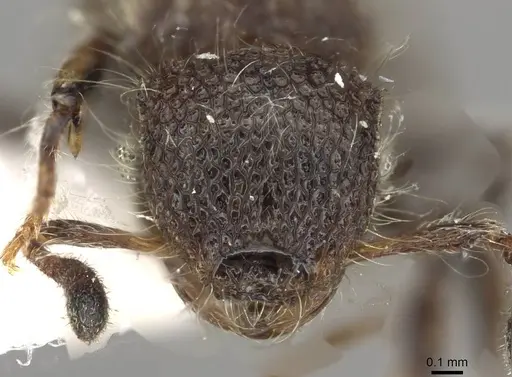
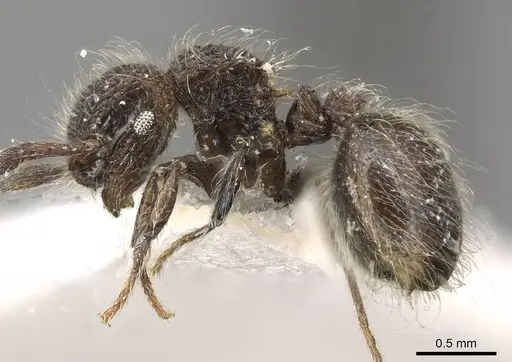
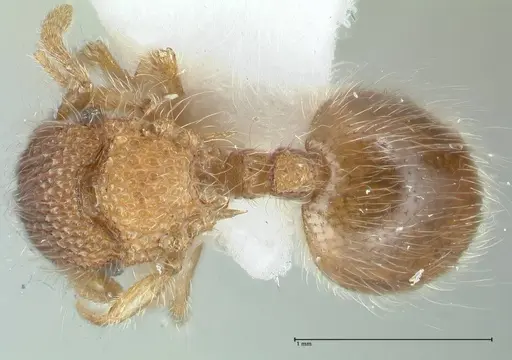
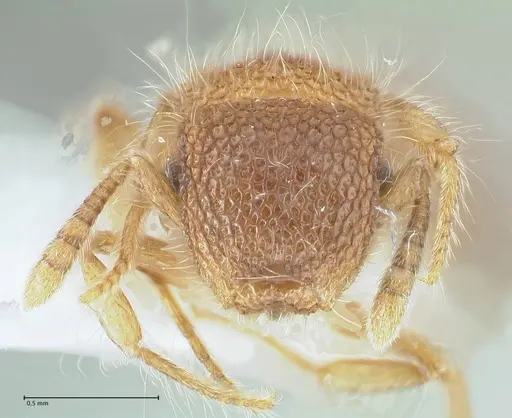
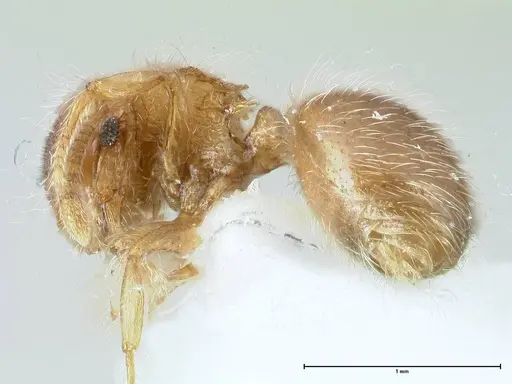
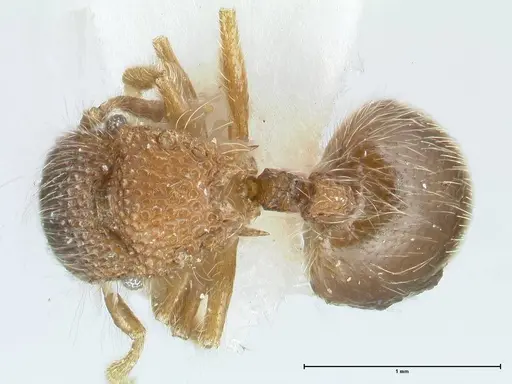
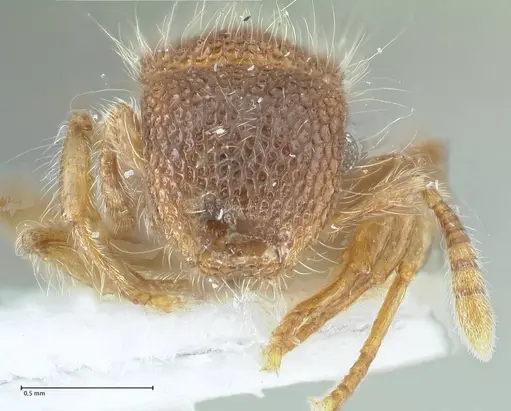
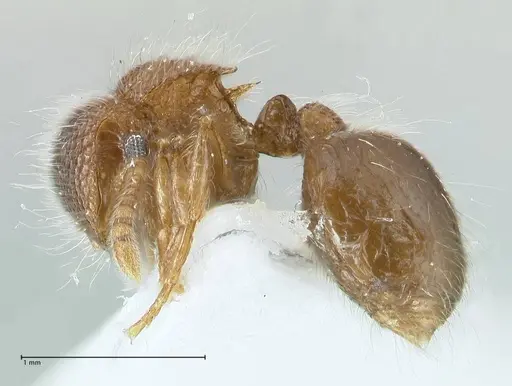
Meranoplus nepalensis is a small myrmicine ant endemic to Nepal, first described in 1998. Workers measure 3.0-3.3 mm and are uniformly light brown to dark brown, with some specimens showing slightly darker heads and gasters. This species is distinguished by its pronotal shield lacking distinct spines, a rugulose clypeus, and an excavated anterior clypeal margin. The promesonotal shield features two pairs of translucent fenestrae, and the petiole is characteristically tapered in profile. Queens are substantially larger at 7.5 mm. This ant is known only from central Nepal, where it has been collected at elevations between 950-1450m in the Kathmandu region.
Quick Summary
- Difficulty: Unknown, extremely limited data available
- Origin & Habitat: Endemic to Nepal, found in central Himalayan region at elevations 950-1450m. Type locality is Gokarna Forest Reserve near Kathmandu at 1350m altitude [1][2].
- Colony Type: Unknown, colony structure has not been documented.
- Size & Growth:
- Antkeeping:
- Temperature: Unconfirmed, likely tolerates moderate temperatures given the subtropical highland habitat (950-1450m elevation in Nepal). Start around 20-24°C and observe colony activity.
- Humidity: Unconfirmed, likely requires moderate to high humidity based on the moist forest floor habitat at the collection sites. Keep nest substrate consistently moist but not waterlogged.
- Diapause: Unknown, no data on overwintering requirements. Nepal experiences cool winters at higher elevations (near Kathmandu), so some dormancy period is possible.
- Nesting: Unconfirmed, no direct nesting observations. Based on collection data from forested areas, likely nests in soil or rotting wood in shaded habitats. A naturalistic setup with moist substrate or a Y-tong/plaster nest would be appropriate starting points.
- Behavior: Undocumented, no behavioral observations exist in scientific literature. Based on genus-level patterns, likely a generalist forager that collects honeydew and small prey. Escape risk is moderate given the 3mm worker size, standard barriers should suffice but fine mesh is recommended as a precaution. Defense mechanism: Members of the Crematogastrini tribe use a modified stinger to smear venom onto enemies rather than piercing flesh.
- Common Issues: no biological data exists, all care recommendations are estimates based on genus patterns, colony size and growth rate are completely unknown, temperature and humidity requirements are unconfirmed, diapause needs are unknown, winter care is speculative, this species may be difficult to acquire as it is only known from Nepal
Species Overview and Identification
Meranoplus nepalensis is one of the rarest ants in the hobby, known only from a handful of specimens collected in central Nepal. It was formally described by Stefan Schödl in 1998 from workers and a queen collected in the Kathmandu region. The species is named after its country of origin. Workers are small at 3.0-3.3 mm and can be distinguished from similar Meranoplus species by the pronotal shield lacking distinct spines, the rugulose (wrinkled) clypeus, and the distinctive excavated anterior clypeal margin. The promesonotal shield has two pairs of translucent window-like fenestrae, which is a characteristic feature of this species. Queens are significantly larger at 7.5 mm and were described from the paratype series. The coloration ranges from light brown in callow (newly emerged) workers to dark brown in mature specimens, with some individuals showing slightly darker heads and gasters [1][3][2].
Natural Habitat and Distribution
This species is endemic to Nepal, meaning it is found nowhere else in the world. All known specimens have been collected from three locations in central Nepal: Gokarna Forest Reserve near Kathmandu (1350m elevation), Godawari in Lalitpur district (1450m), and Tumlingtar in Sankhuwasabha district (950m). The type locality is Gokarna Forest Reserve at 1350m altitude. These elevations represent a subtropical highland climate with distinct seasons. The Kathmandu valley experiences warm summers and cool, dry winters. The collection data suggests this species inhabits forested areas at moderate to high elevations, likely in moist, shaded microhabitats. Nothing is known about its specific nesting preferences in the wild [1][2].
Estimated Care Requirements
Since absolutely no biological data exists for this species, all care recommendations must be considered estimates based on related Meranoplus species and the known habitat conditions. The collection locations at 950-1450m elevation in Nepal suggest a preference for moderate temperatures with some seasonal variation. Start with a temperature range of 20-24°C and monitor colony behavior, if workers are consistently clustered near heat sources, increase slightly, if they avoid heated areas, reduce temperature. Humidity needs are inferred to be moderate to high based on the moist forest floor conditions typical of the Himalayan foothills. Keep the nest substrate consistently damp but avoid waterlogging. Given the small worker size (3mm), use standard escape prevention measures, fine mesh on outworlds and tight-fitting lids.
Feeding and Diet
The diet of Meranoplus nepalensis has not been documented. However, based on typical Meranoplus genus behavior, these ants are likely generalist foragers that collect honeydew from aphids and scale insects, and supplement their diet with small insects and other arthropods. Offer a varied diet including sugar water or honey as an energy source, and protein sources such as small crickets, fruit flies, or mealworms. Start with modest offerings and observe what the colony accepts. Remove uneaten food after 24-48 hours to prevent mold. Given the small colony sizes typical of this genus, avoid overfeeding.
Colony Structure and Development
No data exists on colony structure, founding behavior, or development timeline for this species. The queen measures 7.5 mm, which is relatively large compared to the worker size, suggesting she may have substantial fat reserves for claustral founding (where the queen seals herself in and raises the first workers alone without foraging). However, this is purely speculative. The maximum colony size is unknown, related Meranoplus species typically form colonies of several hundred workers. The egg-to-worker development time is completely unstudied.
Availability and Acquisition
Meranoplus nepalensis is extremely rare in the antkeeping hobby and may not be available commercially. This species is only known from scientific collections in Nepal, and no captive breeding populations exist outside research institutions. If available, expect to pay a premium price for wild-caught or captive-founded colonies. The extreme rarity of this species makes it more suitable for advanced antkeepers who have experience with difficult species and can accommodate unknown care requirements. Always verify the legal status of keeping and transporting this species in your jurisdiction before acquiring a colony.
Frequently Asked Questions
How long does it take for Meranoplus nepalensis to produce first workers?
The development timeline is completely unstudied for this species. There is no data available to make any estimate.
What temperature should I keep Meranoplus nepalensis at?
Temperature requirements are unconfirmed. Based on the subtropical highland habitat in Nepal (950-1450m elevation), start around 20-24°C and adjust based on colony behavior. Monitor whether workers cluster near heat or avoid it.
Do Meranoplus nepalensis ants sting?
Stinging behavior has not been documented for this species. Most small Myrmicinae ants can sting but rarely penetrate human skin. Handle with standard precautions.
Is Meranoplus nepalensis a good species for beginners?
No. This species is not recommended for beginners due to the complete lack of biological data. All care requirements are estimates based on genus-level patterns. It is better suited for experienced antkeepers who can adapt to unknown requirements.
How big do Meranoplus nepalensis colonies get?
Maximum colony size is unknown, no colony size data exists for this species. Related Meranoplus species typically reach several hundred workers.
What do Meranoplus nepalensis eat?
Diet is unconfirmed. Based on typical Meranoplus behavior, likely accepts sugar sources (honey, sugar water) and small protein prey (insects). Offer a varied diet and observe acceptance.
Do Meranoplus nepalensis need hibernation?
Diapause requirements are unknown. Nepal experiences cool winters at higher elevations, so some dormancy period is possible. If the colony becomes less active in winter, reduce temperature to around 15-18°C for 2-3 months.
Can I keep multiple Meranoplus nepalensis queens together?
Colony structure is unconfirmed. No data exists on whether this species is single-queen or multi-queen. Do not combine unrelated queens unless you have specific evidence this species tolerates pleometrosis.
What type of nest is best for Meranoplus nepalensis?
Nest type is unconfirmed. Based on collection data suggesting forest floor habitat, a naturalistic setup with moist substrate or a Y-tong/plaster nest with narrow chambers would be appropriate starting points.
Where does Meranoplus nepalensis come from?
This species is endemic to Nepal, found only in the central Himalayan region at elevations 950-1450m. All known specimens have been collected from the Kathmandu area [1][2].
Report an Issue
The current care sheet is based fully on literature. See inconsistencies, or something that's incorrect? Please , it will be resolved after review from an admin. Contributing to the blogs tab also helps providing information, to make us be able to further improve the caresheets. Thank you for your support!
References

この飼育シートのライセンスは: CC BY-SA 4.0 .
コミュニティブログ
文献
分布マップを読み込み中...製品情報を読み込み中...