
Leptogenys piroskae
- 学名
- Leptogenys piroskae
- 族
- Ponerini
- 亜科
- Ponerinae
- 命名者
- Forel, 1910
- 分布
- 0 か国で発見
紹介
Leptogenys piroskae is a predatory ant species in the subfamily Ponerinae, native to East Africa where it has been recorded in Eritrea and Ethiopia . Workers of this genus are characterized by their slender, elongate bodies with long mandibles adapted for hunting prey. As a Ponerine ant, L. piroskae is predatory, likely hunting isopods and other small arthropods in its natural habitat. The genus Leptogenys is known for coordinated raiding behavior in some species, where colonies systematically hunt prey items many times larger than individual workers. This species remains poorly documented in scientific literature, with most available information dating back to early 20th-century descriptions .
Quick Summary
- Difficulty: Medium
- Origin & Habitat: East Africa, specifically recorded in Eritrea and Ethiopia [1][2]. Based on the arid to semi-arid nature of the Ethiopian highlands and Eritrea's coastal lowlands, this species likely inhabits ground-level microhabitats where it hunts for prey. The region experiences tropical and subtropical climates with distinct wet and dry seasons.
- Colony Type: Colony structure has not been documented for this species. Based on typical Ponerinae patterns, most species in this genus are likely single-queen colonies, though this remains unconfirmed.
- Size & Growth:
- Queen: Size data unavailable, no species-specific measurements exist. Based on genus Leptogenys patterns, queens likely fall in the 8-12mm range.
- Worker: Size data unavailable, no species-specific measurements exist. Based on genus Leptogenys patterns, workers likely fall in the 5-8mm range.
- Colony: Unknown, no published colony size data exists for this species.
- Growth: Growth rate is unconfirmed. Ponerine ants typically develop at moderate pace.
- Development: Development timeline is unconfirmed for this species. Based on typical Ponerinae patterns at optimal temperature, expect approximately 6-10 weeks, but this is an estimate only. (Development time is inferred from related species, actual timeline may vary significantly.)
- Antkeeping:
- Temperature: Keep around 24-28°C based on the tropical/subtropical origin of this species. A slight temperature gradient allowing workers to self-regulate is beneficial.
- Humidity: Moderate humidity around 50-70%. Provide a moist substrate area for hunting and brood-rearing, with some drier areas available.
- Diapause: Based on the tropical climate of its range, a winter cool-down period (15-18°C for 2-3 months) is recommended to simulate seasonal cycles. True hibernation is unlikely.
- Nesting: In captivity, Leptogenys species typically do well in setups that allow hunting behavior. A naturalistic setup with substrate for foraging or a Y-tong/plaster nest with connected foraging area works well. Provide space for hunting and prey storage.
- Behavior: Leptogenys piroskae is a predatory ant that actively hunts prey. Workers are typically non-aggressive toward humans but will defend their colony using their sting. Escape prevention should be taken seriously, while not tiny ants, they are agile and determined. They are primarily nocturnal or crepuscular hunters based on typical genus behavior. Workers likely use chemical trails to coordinate hunting raids on larger prey items.
- Common Issues: Predatory feeding requirements can be challenging, they need live or freshly killed prey items regularly., Limited information means care is based on genus-level inference rather than species-specific data., Slow colony growth compared to many common ant species may frustrate beginners., Humidity management is important, too dry can affect brood, too wet can cause mold issues., Queens may be difficult to locate for purchase as this is not a commonly kept species.
Nest Preferences and Housing
Leptogenys piroskae can be housed in various setups, but they benefit from space to hunt and forage. A Y-tong nest with an attached foraging area works well, as does a plaster nest with channels scaled to their size. The foraging area should be large enough to allow hunting behavior, these ants actively pursue and subdue prey rather than simply collecting food. Provide a moist substrate area to maintain appropriate humidity for brood development. A water tube for drinking water should always be available. Escape prevention should be taken seriously, while not tiny ants, they are agile and determined. A barrier of fluon on the edges of the foraging area is recommended. [1]
Feeding and Diet
As a predatory Ponerine ant, Leptogenys piroskae requires protein-rich prey to survive and raise brood. In captivity, offer small live or freshly killed insects such as fruit flies, small crickets, mealworms, or other appropriately sized arthropods. Some keepers report success with isopods which are natural prey for many Leptogenys species. Feed every 2-3 days, adjusting based on colony size and consumption. Remove uneaten prey after 24-48 hours to prevent mold. Sugar sources are not typically a primary food for predatory Ponerinae, though they may occasionally accept honey or sugar water, do not rely on these as staple nutrition. Fresh water should always be accessible.
Temperature and Seasonal Care
Maintain temperatures around 24-28°C for optimal colony activity and brood development. This species originates from tropical East Africa, so warmth is important. A heating cable on one side of the nest can create a beneficial temperature gradient. During winter months, a slight reduction to 18-22°C for 2-3 months is recommended to simulate seasonal cycles, though this species likely does not experience true hibernation in its native range. Monitor colony behavior, if workers become sluggish and cluster together, they may be too cool. Avoid temperatures above 32°C as this can stress the colony.
Behavior and Colony Dynamics
Leptogenys piroskae workers are active hunters that use their mandibles to capture and subdue prey. Unlike many ants that rely on chemical recruitment, some Leptogenys species coordinate raids where multiple workers overwhelm larger prey items together. Workers are not particularly aggressive toward keepers but will sting if threatened, the sting is functional and can cause moderate pain similar to other Ponerine ants. Colonies likely reach moderate size over time. The queen establishes the colony alone through founding behavior that is not fully documented for this species, she likely hunts to feed herself and her first brood during the founding period. Workers emerge as nanitics and are typically smaller than mature workers.
Frequently Asked Questions
How long does it take for Leptogenys piroskae to produce first workers?
Based on typical Ponerinae development, expect 6-10 weeks from egg to first worker at optimal temperature (around 26°C). This is an estimate as no species-specific development data exists.
What do Leptogenys piroskae ants eat?
They are predatory ants that need live or freshly killed prey. Offer small insects like fruit flies, small crickets, mealworms, or isopods. Protein is essential for brood development. They may occasionally accept sugar water but should not rely on it as a primary food source.
Is Leptogenys piroskae good for beginners?
This species is rated as Medium difficulty. While not the most challenging ant to keep, the predatory feeding requirements and limited available information make it better suited for keepers who already have some experience with ant keeping. The need for regular live prey can be more demanding than feeding sugar water to typical ant species.
How big do Leptogenys piroskae colonies get?
Colony size is unconfirmed for this species. Based on typical Leptogenys colony sizes, expect several hundred workers at maturity. This species is not known for supercolony formation. Colony growth is moderate.
Do Leptogenys piroskae need hibernation?
Based on their East African origin, they do not require true hibernation. However, a cool period (15-18°C) for 2-3 months during winter months is recommended to simulate seasonal cycles and support colony health. This is more of a cool-down period than active hibernation.
Can I keep multiple Leptogenys piroskae queens together?
This is not recommended and has not been documented for this species. Like most Ponerinae, they are likely single-queen species. Combining unrelated queens would likely result in aggression. If you obtain a colony, assume it has a single queen.
What temperature is best for Leptogenys piroskae?
Keep them warm at 24-28°C. A temperature gradient is beneficial, with the nest area around 26°C and a slightly cooler foraging area. This matches their tropical East African origin. Avoid temperatures below 20°C or above 32°C.
Why is my Leptogenys piroskae colony declining?
Common causes include: insufficient prey (they need regular protein), improper humidity (too dry causes brood failure), temperature stress (too cold slows development, too hot stresses colony), or disease. Review feeding schedule, ensure humidity is appropriate, and check temperatures. Poor colony growth can also simply be slow development, Ponerinae are not fast growers.
When should I move Leptogenys piroskae to a formicarium?
Keep newly caught or purchased colonies in a founding setup (test tube or small container) until the colony reaches 15-20 workers. Once the colony is established and growing, you can move to a proper nest with foraging area. Ponerinae often do better in setups that allow hunting behavior, so ensure adequate foraging space.
Report an Issue
The current care sheet is based fully on literature. See inconsistencies, or something that's incorrect? Please , it will be resolved after review from an admin. Contributing to the blogs tab also helps providing information, to make us be able to further improve the caresheets. Thank you for your support!
References

この飼育シートのライセンスは: CC BY-SA 4.0 .
コミュニティブログ
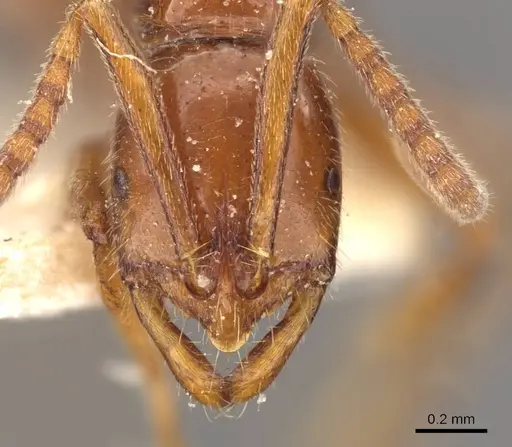
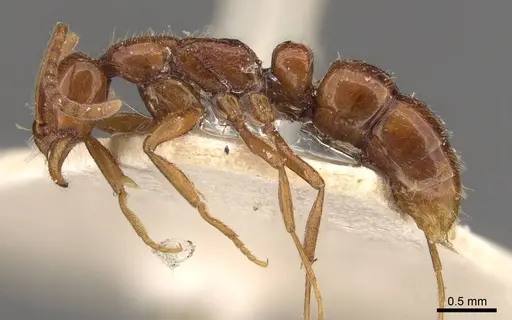
CASENT0907362
AntWebで見る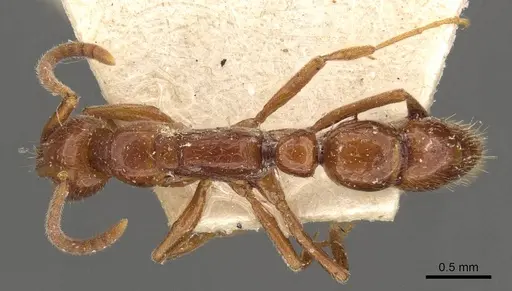
文献
分布マップを読み込み中...製品情報を読み込み中...