
Leptogenys namoroka
- 学名
- Leptogenys namoroka
- 族
- Ponerini
- 亜科
- Ponerinae
- 命名者
- Rakotonirina & Fisher, 2014
- 分布
- 0 か国で発見
紹介
Leptogenys namoroka is a large predatory ant species from the dry forests of western Madagascar. Workers are relatively large for the genus, with the mesosoma measuring 2.47mm - total body length is estimated at approximately 5-6mm based on Leptogenys genus patterns. This species has a distinctive dark brown to blackish coloration. It belongs to the ridens species complex within the Leptogenys genus, characterized by small eyes that do not extend beyond the head's lateral border, relatively short antennal scapes, and a petiolar node that is roughly as broad as it is long. The species was only ever collected from a single specimen found foraging in leaf litter in the Tsingy de Bemaraha protected area in November 2002. The dense fine sculptures and sparse short hairs on the body give this ant a somewhat matte appearance. As a Leptogenys species, these ants are predatory hunters that use their elongated mandibles to capture small invertebrates in the forest floor litter.
Quick Summary
- Difficulty: Expert
- Origin & Habitat: Known only from the dry forest habitat of PN Tsingy de Bemaraha in western Madagascar, collected at 100m elevation [1]. Found foraging in leaf litter in tropical dry forest [1].
- Colony Type: Colony structure is completely unconfirmed, this species is known from a single collected specimen with no observations of colony size or queen number [1].
- Size & Growth:
- Queen: Size data unavailable, no queen specimens have been collected or described
- Worker: Workers are relatively large for the genus, with mesosoma length of 2.47mm, total body length estimated at approximately 5-6mm based on Leptogenys genus patterns [1].
- Colony: Unknown, only one specimen has ever been collected [1].
- Growth: Unknown, no colony development data exists
- Development: Unknown, no development data exists for this species (Development timeline cannot be estimated due to complete lack of colony observations)
- Antkeeping:
- Temperature: Temperature requirements are unconfirmed. As a Madagascar dry forest species, start at room temperature (22-25°C) and observe colony activity for guidance.
- Humidity: Humidity needs are unconfirmed. The dry forest habitat suggests moderate humidity is acceptable, but captive colonies should have access to a moist substrate area.
- Diapause: Diapause requirements are unknown. As a tropical species from Madagascar, hibernation is likely not required.
- Nesting: Natural nesting behavior is unconfirmed. The single known specimen was collected from sifted leaf litter, suggesting they nest in the forest floor debris. In captivity, a naturalistic setup with soil or a Y-tong/plaster nest with a moisture reservoir would be appropriate starting points. Provide leaf litter or debris on the outworld for foraging opportunities.
- Behavior: Behavior is poorly documented. Like other Leptogenys species, this is likely a predatory ant that hunts small invertebrates in leaf litter using its elongated mandibles. Workers are probably solitary foragers. Escape risk cannot be assessed due to lack of observations, but at approximately 5-6mm worker size they are moderate-sized ants and standard escape prevention should be adequate. This species has a functional stinger typical of Ponerinae ants, though they are hunting ants focused on prey rather than defense.
- Common Issues: complete lack of captive care information makes successful keeping very uncertain, only one specimen has ever been collected, biology is essentially unknown, no confirmed diet acceptance in captivity, must experiment cautiously, no information on colony founding or development, risk of inadvertently keeping wrong species due to taxonomic confusion in the genus
Species Discovery and Rarity
Leptogenys namoroka is one of the rarest ant species in existence, known from a single specimen collected in November 2002 from the Tsingy de Bemaraha protected area in western Madagascar. The species was formally described in 2014 by Rakotonirina and Fisher as part of a comprehensive revision of Malagasy Leptogenys species. This ant belongs to the ridens species complex, a group of closely related species characterized by small eyes and specific sculpturing patterns. The fact that only one specimen has ever been found despite extensive ant surveys in Madagascar suggests this species is either extremely localized in distribution, occurs at very low population densities, or has highly specific habitat requirements that make it rarely encountered. For antkeepers, this means there is essentially no established captive husbandry knowledge for this species, any colony kept would be the first documented in captivity. [1]
Identification and Distinction from Similar Species
Leptogenys namoroka can be distinguished from related species by several key features. The species is relatively large for the genus, with a mesosoma length of 2.47mm. The small eyes are particularly diagnostic, they do not extend beyond the lateral border of the head when viewed from above. The petiolar node is roughly as broad as it is long, giving it a relatively square appearance in dorsal view. The body is covered in dense fine sculptures and has sparse short hairs on the dorsum. The most similar species is Leptogenys tsingy, which also has small eyes, but L. tsingy is smaller, has a broader petiolar node, and has more abundant hairs on the body. These identification features matter for antkeepers because accurate species identification is essential for providing proper care, closely related species may have very different requirements. [1]
Habitat and Natural Environment
The only known specimen of Leptogenys namoroka was collected from the tropical dry forest of Tsingy de Bemaraha National Park in western Madagascar at an elevation of 100 meters. This region is characterized by a dry climate with distinct wet and dry seasons. The specimen was collected by sifting through leaf litter, indicating this species forages in the forest floor debris layer like many Leptogenys species. Tsingy de Bemaraha is famous for its unique limestone karst formations. The dry forest habitat differs from the humid rainforests found in eastern Madagascar, suggesting this species may tolerate or prefer drier conditions than many other Malagasy ants. This habitat information provides the only clues about the environmental conditions this species might require in captivity. [1]
Inferring Care Requirements from Genus Patterns
Since no captive care information exists for Leptogenys namoroka specifically, we must infer requirements from what is known about the genus. Leptogenys ants are predatory hunters that use their elongated mandibles to capture and subdue prey. In captivity, they likely require live small invertebrates such as springtails, fruit flies, or small mealworms. Unlike some ants that readily accept sugar, Leptogenys are primarily protein-focused predators. The leaf litter foraging observation suggests they benefit from a naturalistic setup with debris to hunt through. Temperature should likely be warm based on the tropical Madagascar location. Humidity should be moderate, the dry forest habitat suggests they do not need constantly wet conditions, but a moist substrate area is probably important. These inferences are educated guesses based on genus patterns, not confirmed requirements for this specific species. [1]
Ethical and Practical Considerations for Keeping Rare Species
Prospective keepers of Leptogenys namoroka should carefully consider the ethical and practical implications. This species is known from a single specimen, meaning wild populations are either extremely small or virtually unknown. Collecting this species from the wild would be ecologically irresponsible given how little we know about its populations. If a colony ever becomes available through captive breeding, it would represent a significant opportunity to learn about this species' biology for the first time. However, the complete lack of baseline information means keeping this species successfully is extremely challenging, there is no established husbandry protocol to follow. Beginners should not attempt this species due to the high risk of colony failure. Only experienced antkeepers with the resources to experiment and document their results should consider this species, and any successful captive colonies would provide valuable new information to the antkeeping community. [1]
Frequently Asked Questions
How hard is Leptogenys namoroka to keep?
This species is rated Expert difficulty because it is one of the least-known ant species in existence, only one specimen has ever been collected. There is no captive care information, no documented colony structure, and no established husbandry protocols. Keeping this ant successfully would require extensive experimentation and careful documentation. This is not a species for beginners.
What do Leptogenys namoroka ants eat?
Diet is unconfirmed for this specific species. Based on genus patterns, they are likely predatory hunters that capture small invertebrates. In captivity, you should offer live prey such as springtails, fruit flies, tiny crickets, or small mealworms. Sugar sources are unlikely to be accepted, Leptogenys are primarily protein predators, not sugar-feeding ants.
What temperature do Leptogenys namoroka ants need?
Temperature requirements are unconfirmed. As a tropical species from Madagascar, they likely need warm conditions. Start at room temperature (22-25°C) and observe colony behavior. If workers are consistently clustered near the warmest part of the nest, you can gradually increase temperature.
Do Leptogenys namoroka ants need hibernation?
Diapause requirements are unknown. As a tropical species from Madagascar, hibernation is likely not required. However, some seasonal slow-down during cooler months may occur naturally. Do not force hibernation without evidence that the species requires it.
How big do Leptogenys namoroka colonies get?
Colony size is completely unknown. Only a single worker specimen has ever been collected. Related Leptogenys species may form colonies of several hundred workers, but this is just an estimate with no direct evidence for L. namoroka.
Can I keep multiple Leptogenys namoroka queens together?
Colony structure is unconfirmed. No queen specimens have ever been collected, so we do not know whether this species is single-queen or multi-queen. Combining unrelated queens is not recommended given how little we know about this species.
What size nest do Leptogenys namoroka ants need?
Nest requirements are unconfirmed. The single known specimen was collected from leaf litter, suggesting they nest in forest floor debris. A naturalistic setup with soil or a Y-tong/plaster nest with a moisture reservoir would be appropriate. Provide a foraging area with leaf litter or debris where they can hunt.
Do Leptogenys namoroka ants sting?
This species belongs to the Ponerinae subfamily, which typically have functional stingers. However, they are hunting ants focused on prey rather than defense, and the stinger is generally too small to penetrate human skin significantly.
How long does it take for Leptogenys namoroka eggs to develop into workers?
Development timeline is completely unknown. No colony has ever been observed in captivity, and no research documents the development of this species. Related Leptogenys species may take several months from egg to worker at optimal temperature, but this is a rough estimate with no confirmation for L. namoroka.
Is Leptogenys namoroka a good species for beginners?
No. This species is absolutely not recommended for beginners. There is no established care information, no documented colony development, and no way to verify if you are providing appropriate conditions. Any attempt to keep this species would be essentially experimental. Only expert antkeepers with the resources to document their findings should consider this species.
Report an Issue
The current care sheet is based fully on literature. See inconsistencies, or something that's incorrect? Please , it will be resolved after review from an admin. Contributing to the blogs tab also helps providing information, to make us be able to further improve the caresheets. Thank you for your support!
References

この飼育シートのライセンスは: CC BY-SA 4.0 .
コミュニティブログ
CASENT0034713
AntWebで見る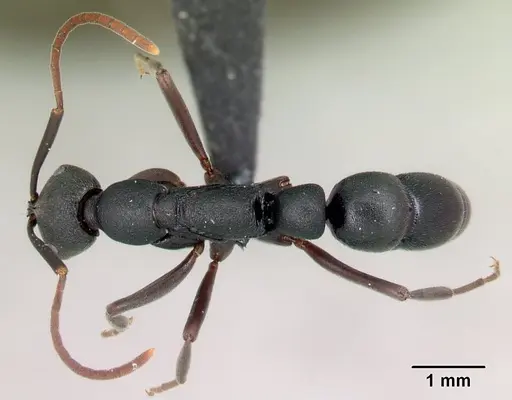
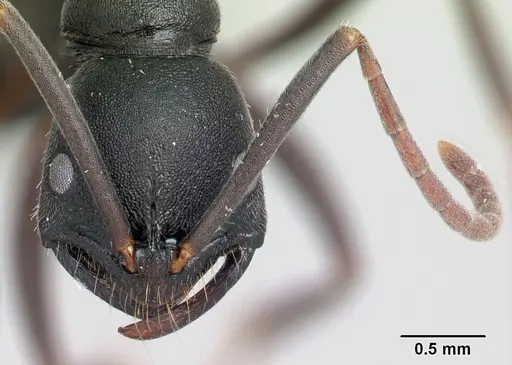
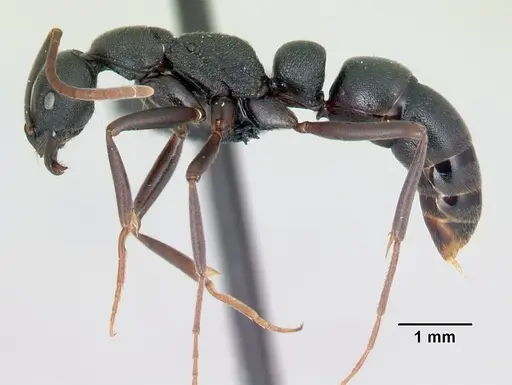
文献
分布マップを読み込み中...製品情報を読み込み中...