
Leptanilla israelis
- 学名
- Leptanilla israelis
- 族
- Leptanillini
- 亜科
- Leptanillinae
- 命名者
- Kugler, 1987
- 分布
- 0 か国で発見
紹介
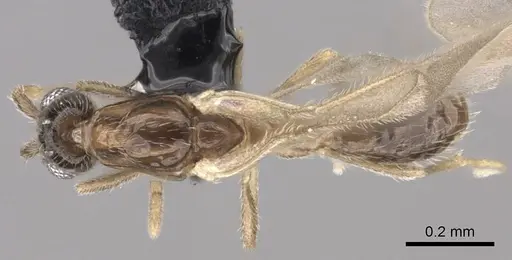
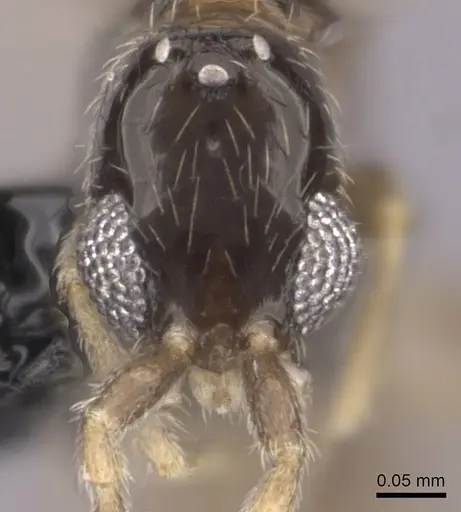
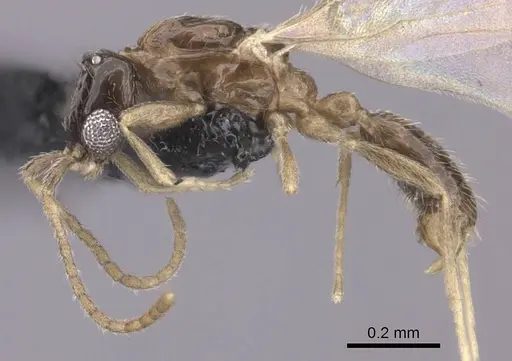
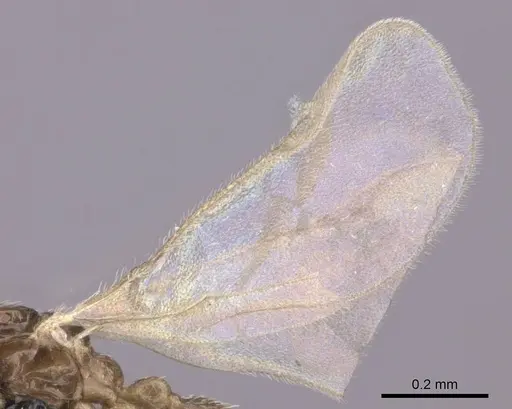
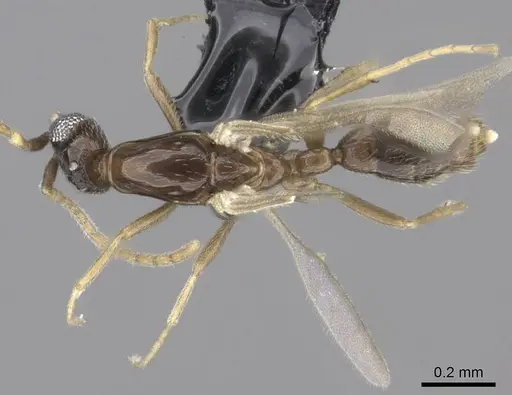
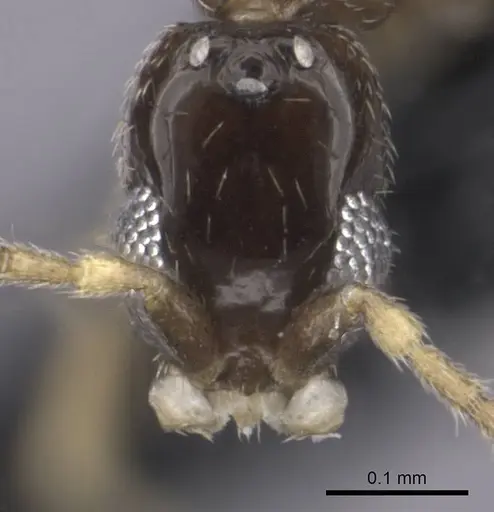
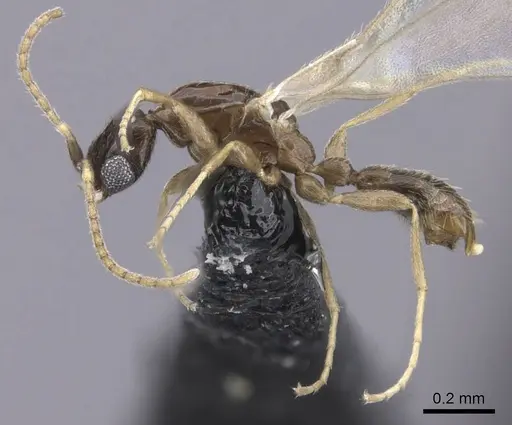
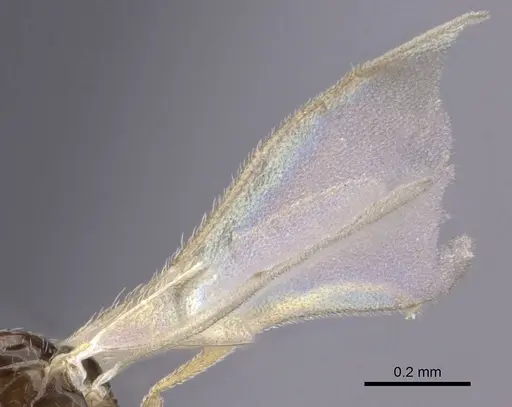
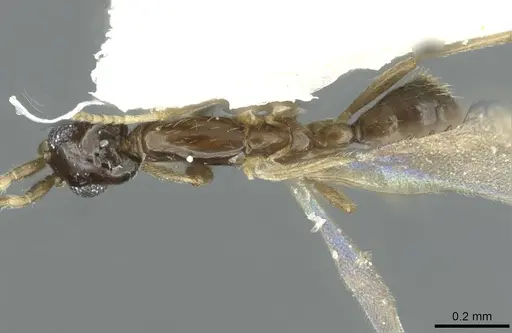
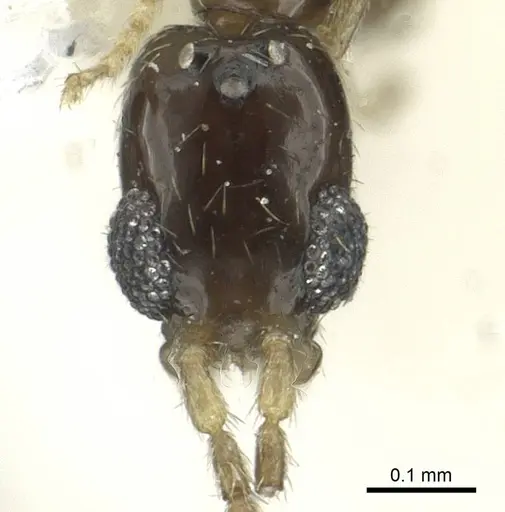
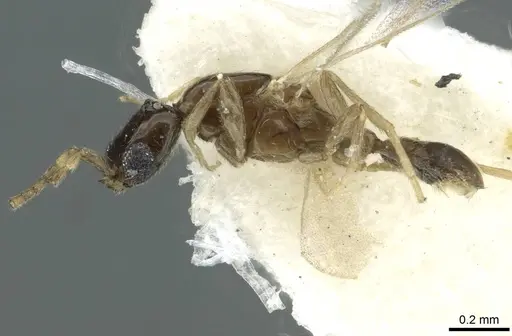
Leptanilla israelis is an extremely rare ant species known only from male specimens collected in Israel. Males are tiny at just 1.3mm in total length, with a dark brownish-black head, mesothorax and gaster, lighter brown thorax and propodeum, and yellowish antennae, legs and genitalia . The species was first described by Kugler in 1987 and is closely related to Leptanilla escheri . What makes this species unusual for antkeepers is that only male specimens have ever been collected - no workers or queens have ever been documented, making captive maintenance impossible .
Quick Summary
- Difficulty: Not Recommended
- Origin & Habitat: This species is endemic to Israel, known only from the Jordan Valley, Dead Sea area, Judean Foothills, and southern Coastal Plain regions. Males have been collected using light traps at locations including Bet Shean, Shluchot, and En Gedi between August and October [4][2]. The natural nesting biology is completely unknown.
- Colony Type: Unknown, only males have ever been collected. The colony structure, whether single-queen or multi-queen, cannot be determined without worker and queen specimens.
- Size & Growth:
- Queen: Size data unavailable, queens have never been collected or described [2]
- Worker: Size data unavailable, workers have never been collected or described
- Colony: Unknown, no colony data exists
- Growth: Unknown
- Development: Unknown, no breeding or development data exists (This species has never been observed in captivity. No workers or queens have ever been collected, making captive maintenance impossible.)
- Antkeeping:
- Temperature: Unknown, no temperature data exists for this species
- Humidity: Unknown, no humidity data exists for this species
- Diapause: Unknown, no seasonal data exists for this species
- Nesting: Unknown, no natural nesting observations exist. Only males collected at light traps have been documented [2].
- Behavior: Completely unknown. Only male reproductive specimens have been collected, and no behavioral observations of workers exist. The genus Leptanilla typically includes tiny, subterranean ants that nest in soil or rotting wood, but this species-specific behavior is unconfirmed [2].
- Common Issues: this species cannot be kept, only males have ever been collected and described, no workers or queens have been documented, making identification of colony members impossible, no captive breeding records exist, the species may not be established in any culture, essential care requirements (temperature, humidity, diet, nesting) are completely unknown, even if males were collected, they cannot found a colony as they are reproductive alates only
Why This Species Cannot Be Kept
Leptanilla israelis is essentially impossible to maintain in captivity. The entire scientific knowledge of this species consists of male specimens collected at light traps between 1981 and 1984. No workers, no queens, no pupae, no larvae, and no eggs have ever been collected or described. Without workers, there is no way to identify the species in a colony, and without queens, there is no way to found a colony. Even if you were to collect males from the wild, they are reproductive alates that have already completed their purpose and cannot start a new colony. The fundamental biology needed for captive care, what they eat, where they nest, what temperature they need, how they develop, is completely unknown and may never be known without extensive field research [2][3].
What We Know About the Genus
While Leptanilla israelis specifically is unknown, the genus Leptanilla provides some general context. Leptanilla ants are among the smallest ants in the world, typically measuring just 1-2mm. They are part of the subfamily Leptanillinae, which includes subterranean ants that rarely come to the surface. Related species in the genus are known to nest in soil, under stones, or in rotting wood, and many are thought to be predators on other small arthropods. However, applying this general genus knowledge to L. israelis would be speculative at best, the specific biology of this species remains entirely unstudied [2].
Distribution and Rarity
Leptanilla israelis is endemic to Israel, known only from a handful of locations in the Jordan Valley, Dead Sea area, Judean Foothills, and southern Coastal Plain. The species appears to be rare, only 18 male specimens have ever been collected across all records, all using light traps between August and October. This suggests the species may have nocturnal mating flights, similar to many ant species, but the exact timing and behavior remain unstudied. The limited distribution and rarity make this species particularly difficult to study in the wild, let alone maintain in captivity [4][2].
Frequently Asked Questions
Can I keep Leptanilla israelis ants?
No. This species cannot be kept because only male specimens have ever been collected. No workers or queens have ever been documented, making it impossible to establish or maintain a colony. Even if you could obtain males, they are reproductive alates that cannot found a new colony.
What do Leptanilla israelis ants eat?
Unknown. While related Leptanilla species are believed to be predatory on small arthropods, no feeding observations exist for this specific species. Without workers to observe, we have no information about their diet.
Where does Leptanilla israelis nest?
Unknown. The natural nesting biology of this species has never been studied. Only males collected at light traps have been documented, no nests have ever been found.
What temperature do Leptanilla israelis ants need?
Unknown. No temperature requirements have been documented for this species. The genus is found in the Mediterranean region, suggesting moderate temperatures, but specific requirements are unconfirmed.
Do Leptanilla israelis ants hibernate?
Unknown. No seasonal behavior data exists for this species. Males were collected in August and October, suggesting late-season nuptial flights, but hibernation behavior is unstudied.
Are Leptanilla israelis ants aggressive?
Unknown. No behavioral observations of workers exist for this species. The genus Leptanilla includes generally non-aggressive tiny ants, but this is speculative for L. israelis specifically.
How big do Leptanilla israelis colonies get?
Unknown. No colony size data exists for this species. Only individual males have ever been collected, no worker populations have been documented.
Can I catch Leptanilla israelis queens in Israel?
Extremely unlikely. Queens of this species have never been collected or described. Even if they exist, finding them would require extensive field work in a very limited geographic area, and identifying them without workers would be impossible.
What makes Leptanilla israelis different from other Leptanilla?
This species is distinguished by its male genitalia, the gonostylus is only slightly bifurcated at the tip, and the gonapophyses are only slightly separated at the tip in two short lobes that touch one another. It is most similar to Leptanilla tanit and Leptanilla tenuis but differs in petiolar node shape. However, these are male morphological differences, worker and queen differences are unknown since they have never been collected.
Are there similar ants that I can keep instead?
Related Leptanilla species may exist in culture, but the entire genus is rarely kept due to their tiny size and subterranean habits. Other small Mediterranean ants like Temnothorax species or small Myrmica species would be more practical alternatives for keepers interested in tiny ants. However, no Leptanilla species are commonly kept in the antkeeping hobby.
Report an Issue
The current care sheet is based fully on literature. See inconsistencies, or something that's incorrect? Please , it will be resolved after review from an admin. Contributing to the blogs tab also helps providing information, to make us be able to further improve the caresheets. Thank you for your support!
References

この飼育シートのライセンスは: CC BY-SA 4.0 .
コミュニティブログ
文献
分布マップを読み込み中...製品情報を読み込み中...