
Leptanilla besucheti
- 学名
- Leptanilla besucheti
- 族
- Leptanillini
- 亜科
- Leptanillinae
- 命名者
- Baroni Urbani, 1977
- 分布
- 0 か国で発見
紹介
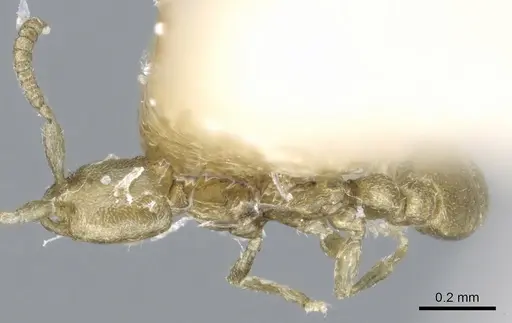
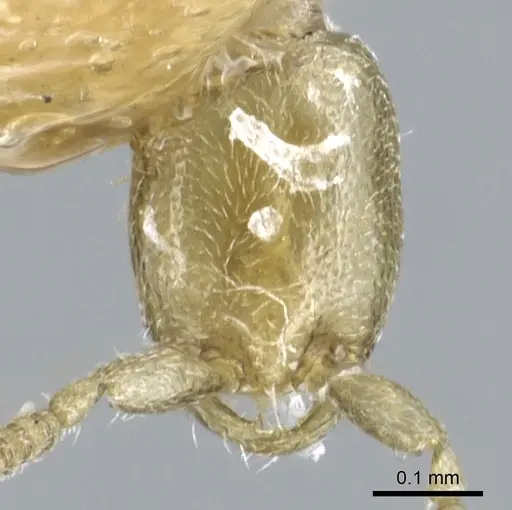
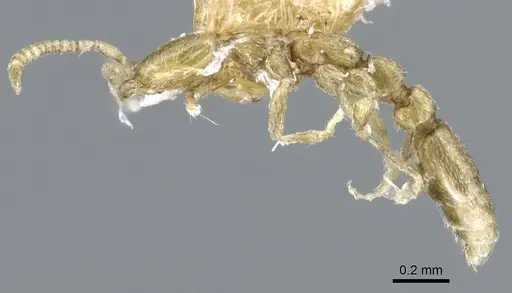
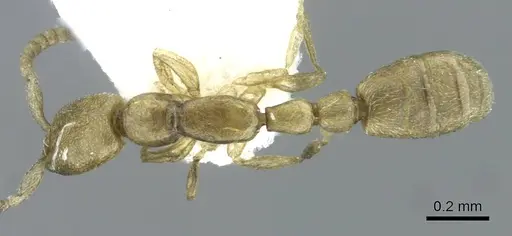
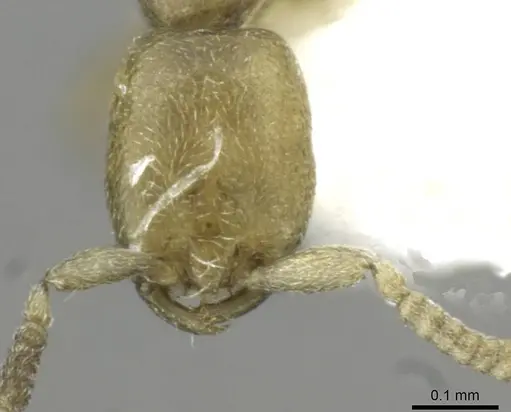
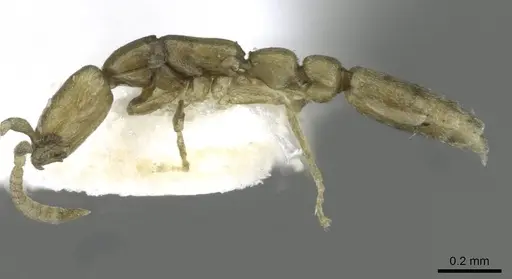
Leptanilla besucheti is a tiny ant species in the subfamily Leptanillinae, found only in Sri Lanka. Workers are among the smallest ants in the world, measuring just over 1mm in petiole length with a pale, almost translucent appearance . The genus Leptanilla is known for its cryptic, soil-dwelling lifestyle - these ants are rarely seen on the surface and spend most of their time underground hunting small prey. This species was described in 1977 from specimens collected at 2200m elevation in central Sri Lanka, specifically from the Pidurutalagala area . Like other Leptanilla species, they are specialized predators with unusual colony structures that remain poorly studied in the wild.
Quick Summary
- Difficulty: Expert
- Origin & Habitat: Sri Lanka, specifically the central highlands around Pidurutalagala at 2200m elevation. This is a wet, cool highland environment in Sri Lanka's wet zone [2][3].
- Colony Type: Colony structure is unconfirmed. The Leptanillinae subfamily includes species with unusual queen morphology and colony founding behaviors, but specific data for L. besucheti is lacking.
- Size & Growth:
- Queen: Unconfirmed, no queen description available for this species.
- Worker: Petiole length ≤1.0mm, total body size data unavailable, estimated at ~1.5-2mm based on genus patterns [1].
- Colony: Unknown, likely small colonies of a few dozen workers based on related species patterns.
- Growth: Unknown
- Development: Unconfirmed, no development data exists for this species. (Small ant species generally develop faster than larger ones, but Leptanilla biology may differ from typical ants.)
- Antkeeping:
- Temperature: Keep around 20-24°C. The highland Sri Lankan origin suggests they prefer cooler conditions than typical tropical ants. Avoid overheating.
- Humidity: High humidity required. As soil-dwelling ants from Sri Lanka's wet zone, they need consistently moist substrate. Keep nesting material damp but not waterlogged [3].
- Diapause: Unknown for this species. Sri Lankan highland ants may experience reduced activity during cooler months but likely do not require true hibernation.
- Nesting: Use a naturalistic setup with fine, moist substrate. They will likely burrow and create their own chambers rather than using provided formicarium structures. Provide a small outworld as they rarely venture above ground. Keep the nest dark.
- Behavior: Extremely cryptic and rarely visible. These ants are specialized predators that hunt small soil arthropods like springtails and mites. They are not aggressive and will flee from disturbance. Escape prevention is critical due to their minute size, they can squeeze through gaps invisible to the naked eye. Workers are pale and nearly translucent. Foraging occurs primarily underground. They are unlikely to accept sugar sources and require live prey.
- Common Issues: escape prevention is critical due to their tiny size, standard barrier methods may not be sufficient, dietary specialization makes feeding difficult, they require live small prey and may refuse standard ant foods, slow colony growth tests keeper patience, wild-caught colonies may have parasites or fail to adapt to captive conditions, high humidity requirements can lead to mold problems if ventilation is poor
Understanding Leptanilla Biology
Leptanilla is one of the most cryptic ant genera in the world. These tiny ants spend most of their lives underground and are rarely encountered even by entomologists. The subfamily Leptanillinae is known for having some of the smallest ants in the world, and L. besucheti is no exception. Workers are pale, almost translucent, with a petiole length under 1mm [1]. Their mandibles have 3 teeth, which they use to capture tiny prey [1]. What makes this genus particularly interesting is their specialized predatory behavior, they hunt small soil arthropods like springtails and are not generalist feeders. This specialization presents challenges for antkeepers, as they are unlikely to accept standard ant foods like sugar water or dead insects. The colony structure of most Leptanilla species remains poorly documented, including for L. besucheti.
Housing and Nest Setup
Housing Leptanilla besucheti requires attention to their tiny size and soil-dwelling lifestyle. A naturalistic setup with a fine, moist substrate works best, they will likely burrow and create their own chambers rather than using provided formicarium structures. Choose a nest with very small, tight chambers scaled to their minute size. The nest should be kept dark, these ants avoid light and will be most active in dim conditions. A humidity chamber or water reservoir connected to the nest helps maintain the moisture they need. Because of their near-microscopic size, escape prevention is paramount. Standard barrier methods like fluon may not be sufficient, you may need to combine multiple barriers or use very fine mesh. The outworld should be small and simple, as these ants rarely venture above ground. Consider using a test tube setup with a small dirt chamber for founding colonies, as this mimics their natural soil nesting behavior. [3]
Feeding Requirements
Leptanilla besucheti is a specialized predator and unlikely to accept standard diet items that work for most ant species. In the wild, these ants hunt tiny soil arthropods, primarily springtails (Collembola), but also mites, nematodes, and other micro-arthropods. In captivity, your primary food should be live springtails offered on a regular basis. Other small live prey may be accepted experimentally, but success is uncertain. Do not rely on sugar sources (honey, sugar water) unless acceptance is confirmed, Leptanilla are not known to be sugar-loving ants. Some keepers have had limited success with tiny pieces of dead insects, but live prey is much more likely to be accepted. Feed small amounts frequently rather than large prey items. The key challenge is providing prey small enough for these tiny ants to tackle, if the prey is too large, the ants simply cannot subdue it. This dietary specialization is one of the main reasons Leptanilla are considered expert-level species to keep.
Temperature and Environmental Conditions
Based on the collection data for L. besucheti from 2200m elevation in central Sri Lanka, these ants prefer cooler conditions than typical tropical ants. The Sri Lankan highlands have a mild, temperate climate with temperatures typically ranging from 15-25°C depending on season and elevation. Aim to keep your colony in the 20-24°C range, this is cooler than most tropical ant species require. Avoid placing the nest in direct sunlight or near heat sources. Room temperature is likely appropriate for this species. Temperature affects development: if they accept prey and the colony is growing, slightly warmer temperatures (up to 25°C) may speed development slightly, but do not overheat. High humidity is essential, these are forest floor ants from Sri Lanka's wet zone. Keep the nesting substrate consistently moist but not waterlogged. Some condensation on the nest walls is acceptable and indicates good humidity. Poor ventilation leading to stagnant air will cause mold problems, but excessive airflow will dry out the nest [2][3].
Challenges and Why This Species Is Expert-Level
Leptanilla besucheti is not a species for beginners or even intermediate antkeepers. Several factors make it exceptionally challenging: their near-microscopic size makes everything difficult, escape prevention, feeding, and observation all require extra care. Their specialized predatory diet means you cannot use standard ant foods, live springtails are essentially required, and these must be cultured and maintained. We know almost nothing about their captive care requirements, everything is inference from related species and genus patterns. Wild-caught colonies are extremely difficult to obtain and may carry parasites or fail to adapt to captivity. Colony growth is likely very slow, which tests keeper patience and increases the risk of colony failure from neglect or over-intervention. If you are determined to keep this species, start with a well-established colony from an experienced keeper if possible, and be prepared to experiment with feeding and environmental conditions. Success with any Leptanilla species is considered an achievement in the antkeeping hobby.
Frequently Asked Questions
Can I keep Leptanilla besucheti in a test tube?
Yes, a test tube setup can work for founding colonies. Use a small test tube with a cotton barrier and keep it horizontal so the queen can burrow into a small soil chamber if provided. However, due to their tiny size and need for humidity, you may need to modify standard test tube setups with finer barriers or add a small moisture chamber. Many keepers find that a small naturalistic setup with moist soil works better long-term.
What do Leptanilla besucheti eat?
They are specialized predators that require live small prey. Your primary food should be live springtails (Collembola), which are small enough for these tiny ants to tackle. Other tiny live prey like soil mites may also be accepted. They are unlikely to accept sugar water, honey, or dead insects. This dietary specialization makes them very difficult to keep compared to generalist ant species.
How long does it take for first workers to emerge?
Unknown for this specific species. No development data exists for L. besucheti. Small ant species typically develop faster than larger ones, but Leptanilla biology may differ from typical ants.
Are Leptanilla besucheti good for beginners?
No. This is an expert-level species due to their near-microscopic size, specialized predatory diet requiring live springtails, and our limited knowledge of their captive care requirements. They are not recommended for anyone below advanced antkeeping experience.
Do Leptanilla besucheti ants sting?
Given their minute size, they likely have a stinger but it would be far too small to penetrate human skin. They are not considered dangerous to humans. Their primary defense is fleeing from threats rather than aggression.
Why are my Leptanilla dying?
Common causes include: escape (they can squeeze through tiny gaps), starvation (refusing to eat available food), improper humidity (too dry or too wet), and stress from excessive observation or disturbance. Their cryptic biology means they often fail in captivity even for experienced keepers. Ensure you are providing live springtails and maintaining high humidity without mold issues.
Do Leptanilla besucheti need hibernation?
Unknown. Based on their Sri Lankan highland origin, they may experience reduced activity during cooler months but likely do not require true hibernation like temperate species. Monitor your colony, if activity decreases significantly in winter, reduce feeding and keep them slightly cooler, but do not force a full hibernation.
Can I keep multiple queens together?
Unknown for this species. The colony structure of L. besucheti has not been documented. Combining unrelated queens is not recommended since we do not know their founding behavior.
Report an Issue
The current care sheet is based fully on literature. See inconsistencies, or something that's incorrect? Please , it will be resolved after review from an admin. Contributing to the blogs tab also helps providing information, to make us be able to further improve the caresheets. Thank you for your support!
References

この飼育シートのライセンスは: CC BY-SA 4.0 .
コミュニティブログ
文献
分布マップを読み込み中...製品情報を読み込み中...