
Lepisiota reticulata
- 学名
- Lepisiota reticulata
- 族
- Plagiolepidini
- 亜科
- Formicinae
- 命名者
- Xu, 1994
- 分布
- 0 か国で発見
紹介
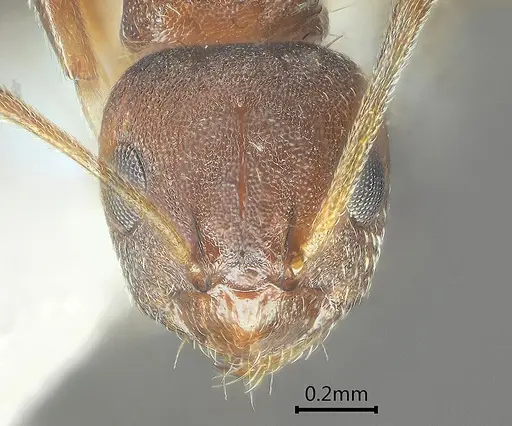
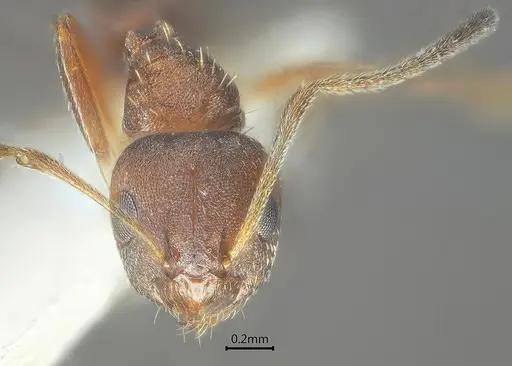
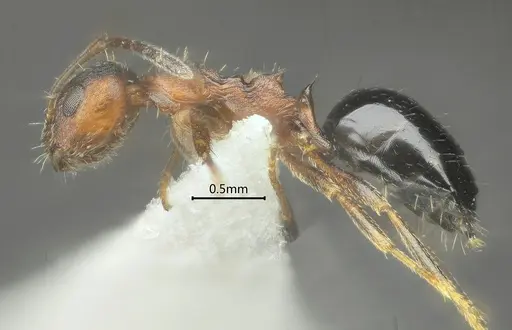
Lepisiota reticulata is a small ant species native to southwestern China, first described by Xu in 1994. Workers are typically 3-5 mm in length with a reticulate pattern on their body . They belong to the subfamily Formicinae and tribe Plagiolepidini. This species is endemic to China, specifically found in Yunnan, Guangxi, and Guizhou provinces, where it inhabits primary and secondary forests but is absent from rubber plantations .
Quick Summary
- Difficulty: Medium
- Origin & Habitat: Native to southwestern China (Yunnan, Guangxi, Guizhou provinces). Found in forest habitats but not in agricultural areas like rubber plantations [2][3].
- Colony Type: Colony structure is unconfirmed. Based on typical Lepisiota genus patterns, likely forms single-queen colonies (monogyne).
- Size & Growth:
- Queen: Size data unavailable, no specific measurements in research
- Worker: ~3-5 mm [1]
- Colony: Maximum colony size unknown, inferred from genus patterns to be moderate
- Growth: Moderate, based on typical Formicinae development
- Development: Estimated 6-8 weeks at optimal temperature, inferred from related species [1] (Development time is inferred, specific data for L. reticulata is not available)
- Antkeeping:
- Temperature: Keep at 22-26°C, inferred from subtropical habitat in southern China [2]
- Humidity: Keep nest substrate consistently moist but not waterlogged, inferred from forest habitat [3]
- Diapause: Unknown, no specific data on diapause requirements
- Nesting: Inferred to prefer soil or under stones in dark, humid conditions, based on genus patterns [1]
- Behavior: Behavior is unconfirmed. Based on typical Formicinae patterns, workers are active foragers with fast movement. Escape risk is high due to small size, use fine mesh barriers.
- Common Issues: humidity control is critical, too dry causes colony decline, small size means escape prevention must be excellent, limited specific care information may lead to husbandry challenges, wild-caught colonies may have parasites
Natural Habitat and Distribution
Lepisiota reticulata is endemic to southwestern China, found in Yunnan, Guangxi, and Guizhou provinces. It occupies primary and secondary forest habitats but is absent from rubber plantations [3][2]. This indicates a preference for natural, undisturbed forest environments with intact canopy cover.
Nest Preferences and Housing
In nature, L. reticulata likely nests in soil or under stones in dark, humid conditions. For captive care, use a Y-tong (AAC) nest or plaster nest with moisture chambers. Keep the nest substrate moist and provide a dark cover [1].
Feeding and Diet
Based on typical Formicinae habits, L. reticulata likely forages for honeydew and small insects. In captivity, offer sugar water or honey constantly and protein sources like fruit flies or pinhead crickets 2-3 times per week [1].
Temperature and Seasonal Care
Maintain nest temperatures between 22-26°C, as inferred from their subtropical habitat [2]. Diapause requirements are unknown, no specific data available.
Behavior and Colony Dynamics
Workers are active foragers with fast movement, based on typical Formicinae patterns [1]. Colony size is moderate, but exact numbers are unconfirmed. Brood care is handled by workers.
Frequently Asked Questions
How long does it take for Lepisiota reticulata to go from egg to worker?
Exact development time is unconfirmed. Based on related species, estimate 6-8 weeks at optimal temperature [1].
What temperature should I keep Lepisiota reticulata at?
Keep nest temperatures between 22-26°C, inferred from their habitat in southern China [2].
Do Lepisiota reticulata ants need hibernation?
Diapause requirements are unknown, no specific data available for this species.
How big do Lepisiota reticulata colonies get?
Maximum colony size is unknown, estimated to be moderate based on genus patterns.
Can I keep multiple Lepisiota reticulata queens together?
Colony structure is unconfirmed. Based on genus patterns, they likely form single-queen colonies, so combining queens is not recommended.
What do Lepisiota reticulata ants eat?
They likely accept sugar sources and small insects, offer honeydew substitutes and protein like fruit flies [1].
Are Lepisiota reticulata ants good for beginners?
This species is rated Medium difficulty due to limited specific care information. Some ant-keeping experience is recommended.
What size nest should I use for Lepisiota reticulata?
Use a nest with small chambers for their 3-5 mm workers, such as Y-tong or plaster nests with moisture chambers [1].
Why is my Lepisiota reticulata colony declining?
Common causes include low humidity, temperatures outside 22-26°C range, insufficient protein, or stress from disturbance. Ensure proper moisture and darkness.
Report an Issue
The current care sheet is based fully on literature. See inconsistencies, or something that's incorrect? Please , it will be resolved after review from an admin. Contributing to the blogs tab also helps providing information, to make us be able to further improve the caresheets. Thank you for your support!
References

この飼育シートのライセンスは: CC BY-SA 4.0 .
コミュニティブログ
ANTWEB1060614
AntWebで見る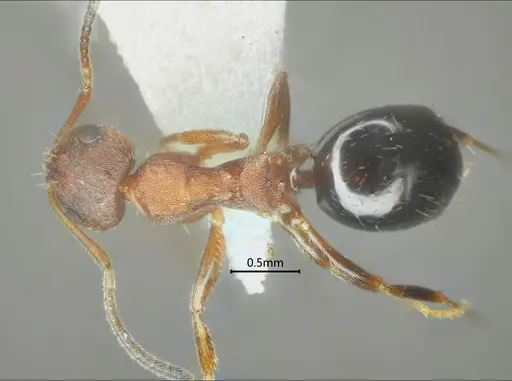
文献
分布マップを読み込み中...製品情報を読み込み中...