
Lepisiota ngangela
- 学名
- Lepisiota ngangela
- 族
- Plagiolepidini
- 亜科
- Formicinae
- 命名者
- Santschi, 1937
- 分布
- 0 か国で発見
紹介
Lepisiota ngangela is a small ant species native to the Afrotropical region, documented in Angola and Gabon (Pongara National Park). Workers are distinctly smaller than the related L. oculata species . As a member of the Formicinae subfamily, these ants have the typical triangular head shape and slender build characteristic of the genus. The species was originally described as Acantholepis ngangela in 1937 by Santschi based on specimens from Angola . Specific colony structure and behavior for this species remain unstudied. Like other Lepisiota species, they likely form colonies in soil or under stones in tropical environments and are active foragers.
Quick Summary
- Difficulty: Medium
- Origin & Habitat: Afrotropical region, documented in Angola and Gabon (Pongara National Park) [1][2]. Likely inhabits tropical forest environments or savanna habitats.
- Colony Type: Unconfirmed, colony structure has not been directly studied for this species. Based on genus patterns, likely single-queen colonies.
- Size & Growth:
- Queen: Size data unavailable, no specific measurements exist for this species
- Worker: Small, distinctly smaller than L. oculata [1]
- Colony: Unknown for this species, genus-level estimates suggest moderate colony sizes
- Growth: Unknown, likely moderate based on related species
- Development: Unknown, specific development timing has not been documented (Development time inferred from genus-level data, temperature dependency unconfirmed)
- Antkeeping:
- Temperature: Keep around 24-28°C, tropical species requiring warm conditions. A heating cable on one side of the nest creates a suitable gradient.
- Humidity: Moderate to high humidity, aim for 60-80%. Keep the nest substrate moist but not waterlogged.
- Diapause: Unlikely, being a tropical species, they probably remain active year-round with possible reduced activity during cooler periods.
- Nesting: Use test tubes or Y-tong nests with moist substrate. They likely prefer enclosed chambers with some dampness, similar to other Lepisiota species.
- Behavior: Active and alert workers that forage individually. Likely moderately aggressive when defending the colony. Escape prevention is critical due to their small size, use fine mesh barriers and tight-fitting lids. Workers are fast-moving and may be skittish.
- Common Issues: small size makes escape prevention critical, they can squeeze through tiny gaps, limited species-specific care information means keepers must adapt from genus-level knowledge, tropical species may struggle if temperatures drop below 20°C, wild-caught colonies may harbor parasites that can decimate captive populations, overfeeding can lead to mold issues in enclosed nests
Housing and Nest Setup
Lepisiota ngangela is a small ant species, so escape prevention must be excellent. Use test tubes for founding colonies, a standard test tube setup with a water reservoir works well for the founding phase. Once the colony reaches 20-30 workers, you can transition to a small formicarium or Y-tong nest. Keep the nest material slightly moist, these ants prefer humid conditions but not saturated substrate. A small outworld area allows workers to forage and explore. Because of their small size, ensure all connections and barriers are tight-fitting. [2]
Feeding and Diet
Like other Lepisiota species, L. ngangela is omnivorous. Offer sugar water or honey as a constant energy source, workers will readily accept sweet liquids. For protein, provide small insects like fruit flies, pinhead crickets, or mealworm pieces. They are likely predators in nature, hunting small arthropods. Feed protein every 2-3 days, removing any uneaten prey within 24 hours to prevent mold. Fresh water should always be available. [2]
Temperature and Seasonal Care
Being a tropical species from Gabon and Angola, L. ngangela requires warm conditions. Keep the nest area at 24-28°C for optimal brood development. A heating cable placed on one side of the nest creates a temperature gradient that allows ants to regulate their exposure. Avoid temperatures below 20°C for extended periods, this species is not cold-tolerant. Unlike temperate species, they likely do not require a true hibernation period, but may show slightly reduced activity during cooler months. [1]
Colony Development
Specific size measurements and development timelines have not been documented for this species. The colony starts with the queen sealing herself in a chamber, living off stored fat reserves while raising the first brood. The first workers will be smaller than mature workers. Growth rate is likely moderate, expect gradual colony growth under good conditions. [2]
Frequently Asked Questions
How long does it take for Lepisiota ngangela to produce first workers?
Specific development timing has not been documented for this species. Based on related Lepisiota species, expect several months from egg to first worker at optimal temperature (24-28°C).
What do Lepisiota ngangela ants eat?
They are omnivorous. Offer sugar water or honey constantly, and protein sources like small insects (fruit flies, pinhead crickets, mealworm pieces) every 2-3 days.
What temperature do Lepisiota ngangela need?
Keep them warm at 24-28°C. This tropical species does not tolerate cold well, avoid temperatures below 20°C.
Are Lepisiota ngangela good for beginners?
They are rated as medium difficulty. The main challenges are their small size (escape prevention is critical) and limited species-specific care information available.
How big do Lepisiota ngangela colonies get?
Specific colony size data is not available for this species. Based on typical Lepisiota genus patterns, colonies likely reach several hundred workers at maturity.
Do Lepisiota ngangela need hibernation?
Likely no true hibernation required, being tropical, they probably remain active year-round with possible reduced activity during cooler periods.
Can I keep multiple Lepisiota ngangela queens together?
Colony type is unconfirmed for this species. Based on genus patterns, they likely form single-queen colonies. Combining unrelated queens is not recommended as they would likely fight.
When should I move Lepisiota ngangela to a formicarium?
Move from test tube to a formicarium once the colony reaches 20-30 workers. Ensure the new setup maintains appropriate humidity.
Why are my Lepisiota ngangela dying?
Common causes include: temperatures below 20°C, too dry or too wet substrate, escape through tiny gaps, or parasites from wild-caught colonies. Check all environmental parameters.
Report an Issue
The current care sheet is based fully on literature. See inconsistencies, or something that's incorrect? Please , it will be resolved after review from an admin. Contributing to the blogs tab also helps providing information, to make us be able to further improve the caresheets. Thank you for your support!
References

この飼育シートのライセンスは: CC BY-SA 4.0 .
コミュニティブログ
CASENT0912399
AntWebで見る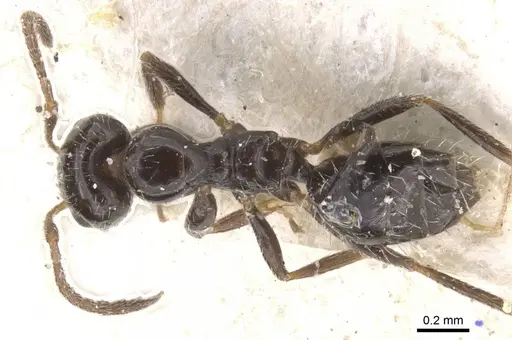
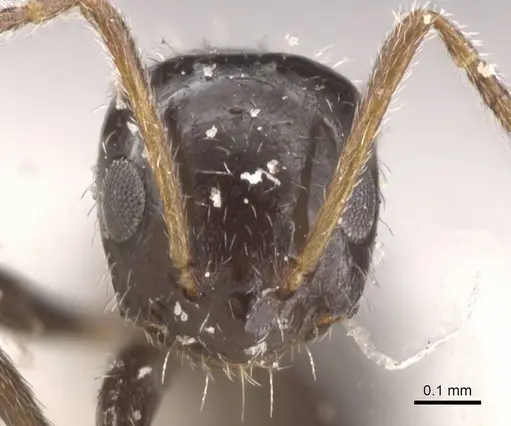
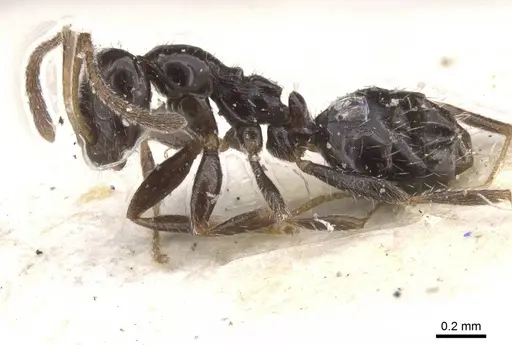
文献
分布マップを読み込み中...製品情報を読み込み中...