
Hypoponera siremps
- 学名
- Hypoponera siremps
- 族
- Ponerini
- 亜科
- Ponerinae
- 命名者
- Forel, 1901
- 分布
- 0 か国で発見
紹介
Hypoponera siremps is a small ponerine ant species native to the Bismarck Archipelago and New Guinea region in Australasia . Workers are modest in size with the typical dark coloration and stinger-equipped abdomen common to the genus. As a tropical species from Papua New Guinea, they inhabit warm, humid lowland forest environments where they likely nest in soil or rotting wood. The Ponerinae subfamily includes predatory ants, and Hypoponera species are known hunters that capture small invertebrates. This species remains poorly studied in captivity, with limited published information on its specific care requirements.
Quick Summary
- Difficulty: Medium
- Origin & Habitat: Native to the Bismarck Archipelago and New Guinea in the Australasian region [1]. Found in tropical lowland forest habitats where humidity is high and temperatures remain warm year-round.
- Colony Type: Colony structure is unconfirmed. Based on typical Hypoponera patterns, likely single-queen colonies with modest worker populations.
- Size & Growth:
- Queen: Size data unavailable, no specific measurements exist in the literature
- Worker: Size data unavailable, no specific measurements exist in the literature
- Colony: Likely small, up to approximately 200 workers at maturity based on typical Hypoponera colony sizes
- Growth: Moderate, estimated based on genus patterns
- Development: Estimated 6-10 weeks at tropical temperatures based on related Ponerinae species (Development time is estimated from genus patterns since no species-specific data exists)
- Antkeeping:
- Temperature: Keep at 24-28°C. As a tropical species from New Guinea, they need consistently warm conditions. A heating cable on one side of the nest creates a suitable gradient.
- Humidity: High humidity required, aim for 70-80%. Keep the nest substrate consistently moist but not waterlogged. Mist occasionally and ensure water is available.
- Diapause: Unlikely, being a tropical species from near the equator, they probably do not require a winter dormancy period.
- Nesting: Based on typical Hypoponera nesting in nature, they likely prefer soil-based or rotting wood substrates. In captivity, a Y-tong (AAC) nest or plaster nest with moisture chambers works well. Provide a small outworld for foraging.
- Behavior: Hypoponera siremps is a predatory species that hunts small invertebrates. Workers are moderate in activity level, foraging individually for prey. They have a functional stinger typical of Ponerinae classification, though the sting potency for this specific species is unstudied. Escape prevention should be moderate, standard barriers are usually sufficient for ants of this size.
- Common Issues: tropical species requires warm conditions year-round, cold temperatures can slow or stop brood development, high humidity needs mean drying out is a risk, monitor substrate moisture regularly, limited species-specific information means keepers must adapt care based on colony response, predatory diet requires live prey, ensure a consistent supply of small insects
Housing and Nest Setup
Hypoponera siremps is a tropical species that needs warm, humid conditions. A Y-tong (AAC) nest or plaster nest with moisture chambers works well, these materials hold humidity while allowing you to observe the colony. Keep the nest substrate consistently moist but avoid standing water. Provide a small outworld connected to the nest where you can offer food. Since this species is not well-documented in captivity, start with standard Ponerinae setup and adjust based on colony behavior. Escape prevention should be adequate for ants of this size, standard fluon barriers on smooth surfaces are usually sufficient.
Feeding and Diet
As a Ponerinae ant, Hypoponera siremps is primarily predatory, hunting small invertebrates in nature. In captivity, offer small live prey such as fruit flies, pinhead crickets, small mealworms, and other tiny arthropods. Based on genus patterns, they accept protein sources readily. Sugar water or honey may be accepted as a supplementary energy source, though protein-rich prey should form the primary diet. Feed every 2-3 days, adjusting based on how quickly prey is consumed. Always remove uneaten prey to prevent mold.
Temperature and Seasonal Care
Being from tropical New Guinea, this species needs consistently warm temperatures year-round. Maintain nest temperatures between 24-28°C. A small heating cable placed on one side of the nest can create a gentle thermal gradient, allowing ants to regulate their position. Unlike temperate species, they do not require hibernation or diapause. Cold temperatures can severely impact brood development and colony health. Room temperature in heated homes is often suitable, but monitor with a thermometer. Avoid placing the nest near air conditioning vents or cold windows.
Colony Development
Specific development timeline for this species is unconfirmed. Based on related Ponerinae species, expect 6-10 weeks from egg to worker at optimal temperatures. The first workers (nanitics) will likely be smaller than mature workers. Growth rate is moderate, faster than some slow-growing Camponotus species but slower than fast-developing tropical ants. Colonies likely remain relatively small, possibly reaching up to 200 workers at maturity based on typical Hypoponera colony sizes. Patience is key, as this species is not a fast grower.
Frequently Asked Questions
How long does it take for Hypoponera siremps to produce first workers?
Exact timeline is unconfirmed, but based on related Ponerinae species, expect 6-10 weeks from egg to first worker at optimal temperatures of 24-28°C.
What do Hypoponera siremps ants eat?
They are predatory like other Ponerinae ants. Feed small live prey such as fruit flies, pinhead crickets, and small mealworms. Sugar water or honey may be accepted as supplementary energy.
Do Hypoponera siremps ants sting?
As a Ponerinae species, they have a functional stinger. However, sting potency for this specific species is unstudied, and given their small size, any sting would be mild.
What temperature do Hypoponera siremps need?
Keep them warm at 24-28°C. This tropical species from New Guinea requires consistently warm conditions year-round and does not tolerate cold well.
Do Hypoponera siremps need hibernation?
Unlikely. Being a tropical species from near the equator, they do not require a winter dormancy period. Keep them warm throughout the year.
How big do Hypoponera siremps colonies get?
Colony size is estimated at up to 200 workers at maturity based on typical Hypoponera colony sizes. This is a relatively small colony size.
Is Hypoponera siremps good for beginners?
This species is rated as medium difficulty. While not the most challenging ant, the limited species-specific information means keepers should have some experience adapting care based on colony response.
What humidity do Hypoponera siremps need?
High humidity of 70-80% is recommended. Keep the nest substrate consistently moist but not waterlogged. This matches their natural habitat in humid tropical forests.
Can I keep multiple Hypoponera siremps queens together?
Colony structure is unconfirmed for this species. Combining unrelated queens is not recommended since it has not been documented as successful.
When should I move Hypoponera siremps to a formicarium?
Start them in a test tube setup for founding. Once the colony reaches 15-20 workers and you see consistent activity, you can transition to a proper nest setup like a Y-tong or plaster formicarium.
Report an Issue
The current care sheet is based fully on literature. See inconsistencies, or something that's incorrect? Please , it will be resolved after review from an admin. Contributing to the blogs tab also helps providing information, to make us be able to further improve the caresheets. Thank you for your support!
References

この飼育シートのライセンスは: CC BY-SA 4.0 .
コミュニティブログ
FOCOL0998
AntWebで見る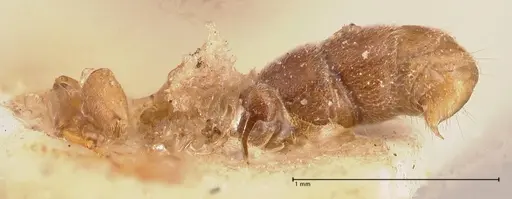
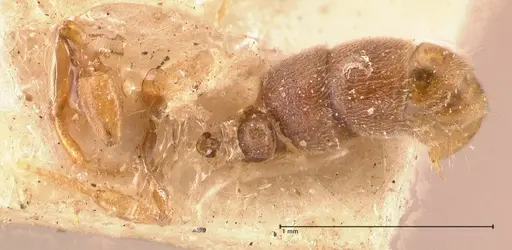
文献
分布マップを読み込み中...製品情報を読み込み中...