
Hypoponera singaporensis
- 学名
- Hypoponera singaporensis
- 族
- Ponerini
- 亜科
- Ponerinae
- 命名者
- Viehmeyer, 1916
- 分布
- 0 か国で発見
紹介
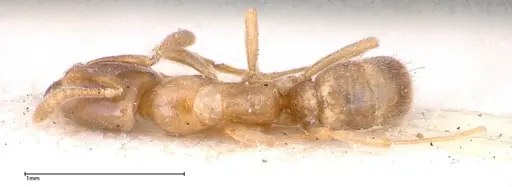
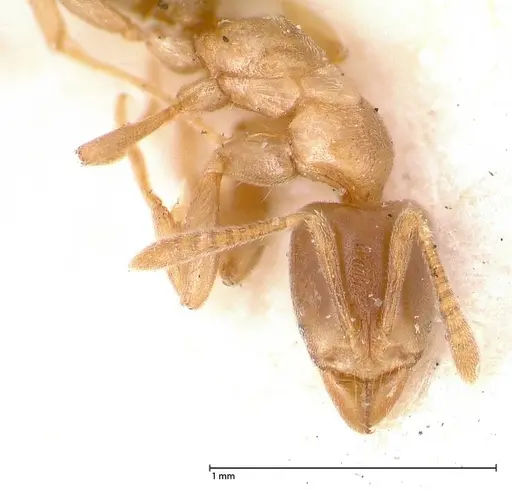
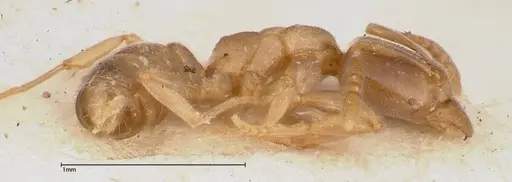
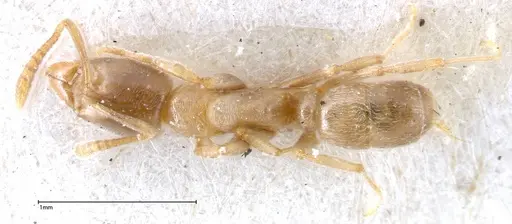
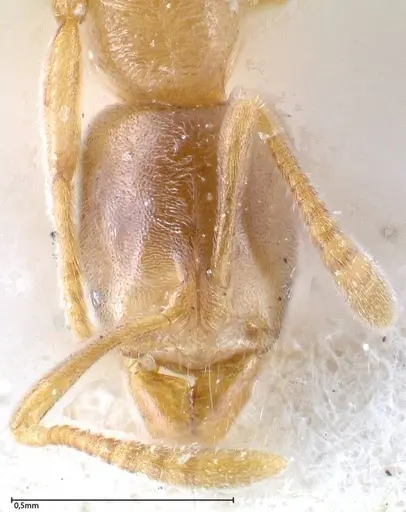
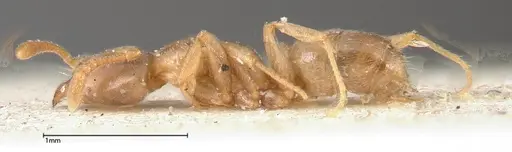
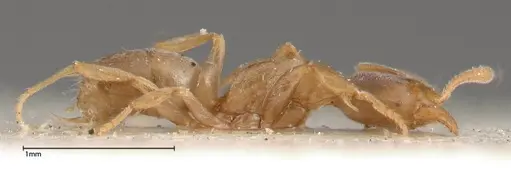
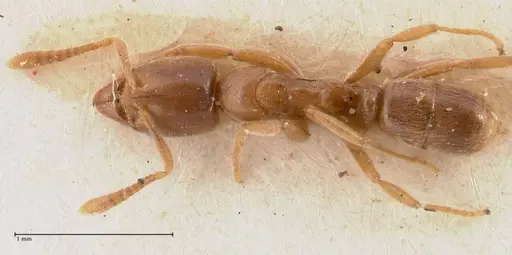
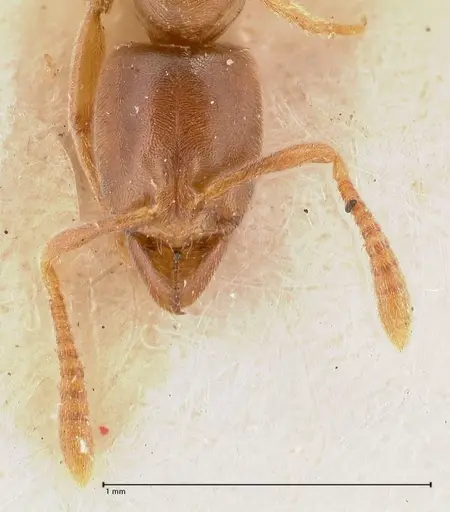
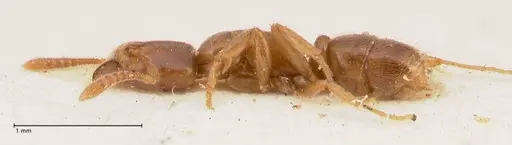
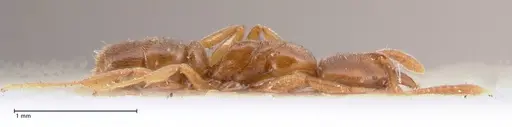
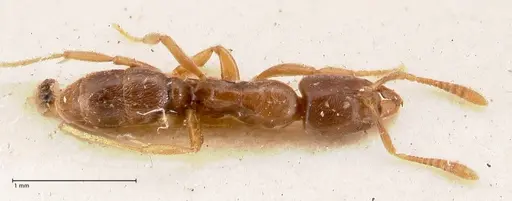
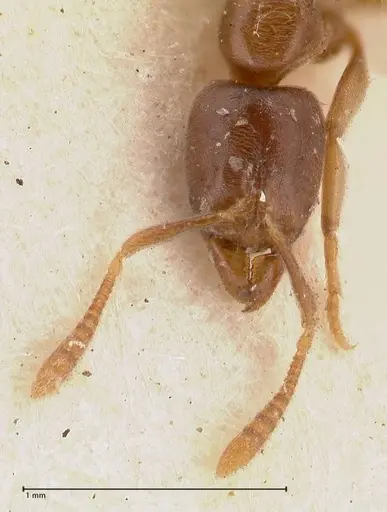
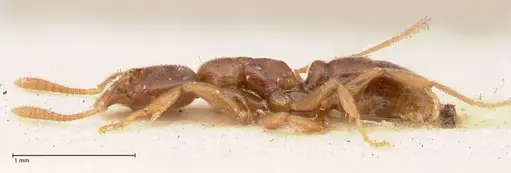
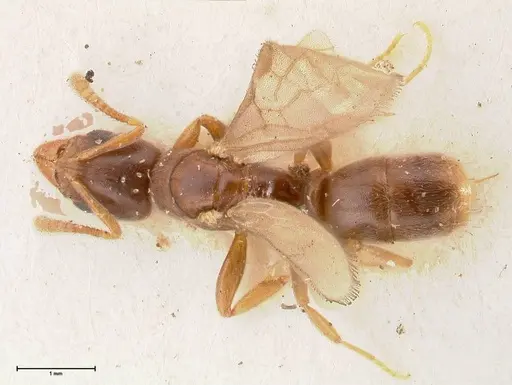
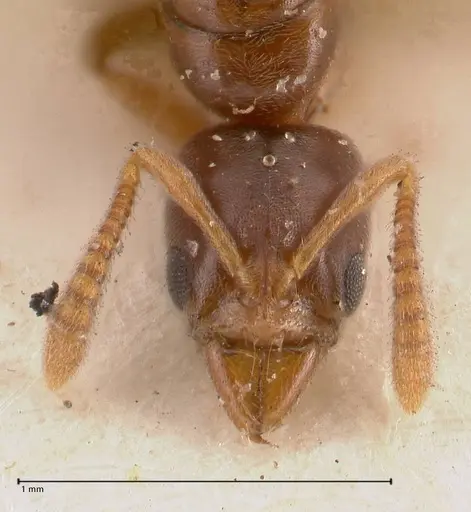
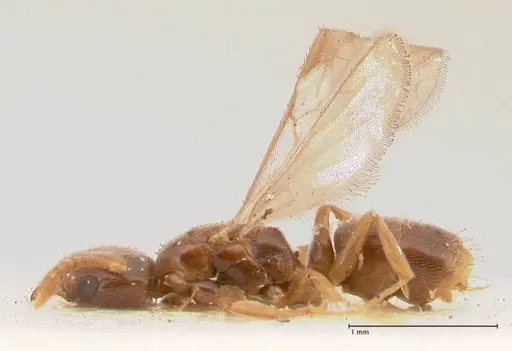
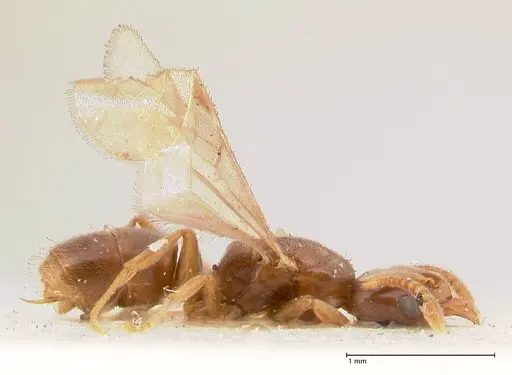
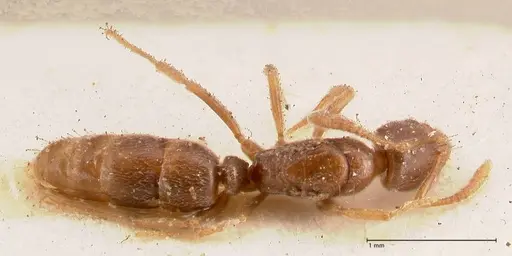
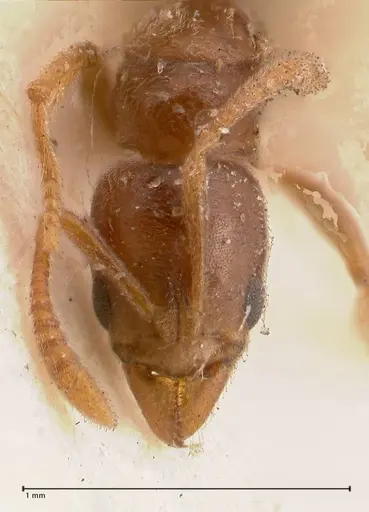
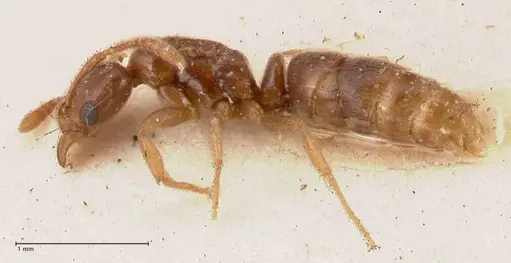
Hypoponera singaporensis is a small ponerine ant native to Singapore, first described in 1916 as a variety of Hypoponera confinis and elevated to full species status in 2022 . Workers are tiny, cryptic ants typically found in humid microhabitats like rotting wood, fungal growths, and shaded ground cover. The species can be distinguished from the closely related H. confinis by the shape of the propodeum - in H. singaporensis, the propodeal dorsum is distinctly longer than wide and roughly equal to or slightly longer than the declivitous slope . This is a ground-dwelling species that prefers damp, shaded environments typical of Singapore's coastal beach forests and garden habitats.
Quick Summary
- Difficulty: Medium
- Origin & Habitat: Singapore (Indomalaya Region). Found in wet fungal pulp on termite-infested trees, rotting wood of decaying branches, and rocky areas near coastal beach forests [1].
- Colony Type: Unconfirmed. Colony structure has not been documented for this species.
- Size & Growth:
- Queen: ~3-4mm, inferred from genus
- Worker: ~2.5-3mm, inferred from genus
- Colony: Colony size data unavailable
- Growth: Unknown
- Development: Estimated 6-10 weeks based on related Ponerinae species at tropical temperatures (Development time is estimated as this specific species has not been studied. Tropical temperatures (24-28°C) likely accelerate development compared to temperate species.)
- Antkeeping:
- Temperature: Keep at 24-28°C (tropical room temperature). A slight gradient allowing cooler areas around 22°C is beneficial. This species comes from Singapore's warm, humid climate.
- Humidity: High humidity is essential. Keep substrate consistently moist but not waterlogged. These ants naturally occur in wet fungal pulp and rotting wood, indicating a need for damp conditions. Provide a water reservoir in the nest.
- Diapause: No, as a tropical species from Singapore, they do not require hibernation. Maintain consistent warm conditions year-round.
- Nesting: Prefers humid nest setups. Y-tong (AAC) nests or plaster nests with good moisture retention work well. Provide damp soil or sand as substrate. Avoid dry, airy setups. Naturalistic setups with rotting wood pieces and moist soil mimic their natural habitat.
- Behavior: Hypoponera ants are generally shy and non-aggressive. They are cryptic ground-dwellers that prefer to stay hidden and are not active foragers on open surfaces. They are predatory on small arthropods and likely accept soft-bodied prey. They possess a sting (typical of Ponerinae subfamily) but due to their tiny size, it poses minimal risk to humans.
- Common Issues: high humidity maintenance is critical, drying out kills colonies quickly, small size makes escape prevention challenging without fine mesh barriers, slow colony growth can frustrate beginners expecting rapid expansion, predatory diet means they need regular live prey, they cannot survive on sugar alone, wild-caught colonies may be stressed or contain parasites
Natural Habitat and Nesting
Hypoponera singaporensis is native to Singapore, where it inhabits humid tropical environments. The original type specimens were collected from the wet pulp of a large fungus growing on a termite-infested tree, as well as from rotting wood in decaying branches [1]. Additional specimens came from a rocky beach area near coastal beach forest. This habitat information tells us these ants thrive in consistently damp, shaded microenvironments with access to decaying organic matter. In captivity, provide a nest setup that maintains high humidity, a Y-tong (AAC) nest or plaster formicarium with a water reservoir works well. The substrate should remain moist but never waterlogged. Adding pieces of rotting wood or cork to the outworld gives them natural hiding spots and mimics their preferred microhabitat.
Feeding and Diet
As a Ponerine ant, Hypoponera singaporensis is predatory on small invertebrates. In their natural habitat, they likely hunt micro-arthropods like springtails, mites, and tiny insects in the leaf litter and rotting wood. In captivity, offer small live prey such as fruit flies, pinhead crickets, small mealworms, and most importantly, live springtails (which are ideal due to their small size). They will also accept protein-based commercial ant foods. Sugar sources like honey or sugar water may be accepted but should not be the primary food, these ants are predators first. Feed small amounts every 2-3 days and remove uneaten prey within 24 hours to prevent mold.
Temperature and Humidity Requirements
Being a tropical species from Singapore, these ants require warm and humid conditions. Maintain temperatures between 24-28°C, this matches their natural range and supports healthy colony activity and brood development. Room temperature in most homes is often adequate, but in cooler climates you may need a small heating cable on one side of the nest to maintain warmth. Humidity is arguably more critical, these ants naturally live in wet fungal pulp and rotting wood, so they need consistently high humidity. Keep the nest substrate moist and provide a water reservoir. Mist the outworld occasionally but avoid letting water pool. Poor humidity leads to colony decline and death, so this is your most important care parameter. [1]
Colony Structure and Development
Hypoponera colony structure is not specifically documented for H. singaporensis. Based on patterns from related Hypoponera species, colonies are typically smaller than many common ant species, usually reaching only a few hundred workers at maturity. Most Hypoponera species studied have single-queen colonies, though this is unconfirmed for H. singaporensis. Development from egg to worker likely takes 6-10 weeks at tropical temperatures, similar to related Ponerine ants. Growth is moderate, do not expect the rapid expansion seen in some Lasius or Camponotus species. Colonies should be given time to develop slowly and steadily.
Behavior and Handling
Hypoponera ants are shy, cryptic, and not aggressive. They prefer to stay hidden and are not bold foragers. When threatened, they may flee rather than attack. They possess a sting but due to their tiny size, it cannot penetrate human skin effectively and poses no real danger to keepers. They are not escape artists in terms of climbing ability, but their small size means they can slip through very small gaps, use fine mesh on any ventilation holes and ensure lids fit tightly. In the outworld, they will explore slowly and methodically, hunting for small prey. They are not suitable for species that want visible, active ants, these are watch and appreciate ants best suited for keepers who enjoy observing cryptic species.
Frequently Asked Questions
How long does it take for Hypoponera singaporensis to produce first workers?
Based on related Ponerine species, expect first workers approximately 6-10 weeks after the queen lays eggs, assuming temperatures around 24-28°C. This is an estimate as this specific species has not been studied for development time.
What do Hypoponera singaporensis ants eat?
They are predatory ants that need small live prey. Feed them live springtails, fruit flies, tiny crickets, and small mealworms. They may accept commercial protein foods. Sugar water or honey can be offered occasionally but should not be their primary food.
What humidity level do Hypoponera singaporensis ants need?
High humidity is essential, keep the nest substrate consistently moist but not waterlogged. These ants naturally live in wet fungal pulp and rotting wood in Singapore. Poor humidity quickly kills colonies.
Can I keep Hypoponera singaporensis in a test tube setup?
Yes, a test tube setup can work if you maintain high humidity. Use a test tube with a water reservoir and keep it in a humid environment. However, a Y-tong or plaster nest with better moisture retention is preferable for long-term housing.
Are Hypoponera singaporensis good for beginners?
They are rated Medium difficulty. They require high humidity and a predatory diet, which is more demanding than sugar-feeding ants. They are best suited for keepers who already have some experience and want to keep a more specialized species.
Do Hypoponera singaporensis need hibernation?
No, they do not need hibernation. As a tropical species from Singapore, they require warm temperatures year-round (24-28°C). Hibernation would be harmful to them.
How big do Hypoponera singaporensis colonies get?
Colony size data is unavailable for this specific species. Based on typical Hypoponera colony sizes, they likely reach several dozen to a few hundred workers at maturity. They are not large colony builders like some other ant species.
Why are my Hypoponera singaporensis dying?
The most common causes are: low humidity (drying out kills them quickly), lack of live prey (they need protein), and temperature too cold or too variable. Check your humidity levels first, the substrate should feel consistently damp.
When should I move Hypoponera singaporensis to a formicarium?
Wait until the colony has at least 20-30 workers and is actively foraging in the outworld. For small colonies, keep them in a test tube or small setup longer. Moving too early stresses the colony. A Y-tong or plaster nest works well once they outgrow a test tube.
Can I keep multiple queens together?
This has not been documented for this specific species. Based on typical Hypoponera behavior, they likely have single-queen colonies. It is not recommended to house multiple unrelated queens together as they may fight.
What temperature range is ideal for Hypoponera singaporensis?
Keep them at 24-28°C. This tropical species from Singapore needs warm conditions. A slight temperature gradient allowing cooler areas around 22°C is beneficial, but avoid cold spots.
Report an Issue
The current care sheet is based fully on literature. See inconsistencies, or something that's incorrect? Please , it will be resolved after review from an admin. Contributing to the blogs tab also helps providing information, to make us be able to further improve the caresheets. Thank you for your support!
References

この飼育シートのライセンスは: CC BY-SA 4.0 .
コミュニティブログ
文献
分布マップを読み込み中...製品情報を読み込み中...