
Formica kupyanskayae
- 学名
- Formica kupyanskayae
- 族
- Formicini
- 亜科
- Formicinae
- 命名者
- Bolton, 1995
- 分布
- 0 か国で発見
紹介
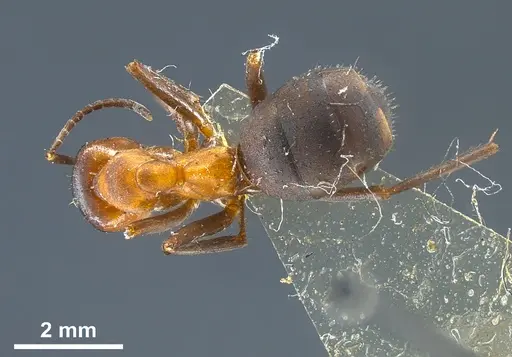
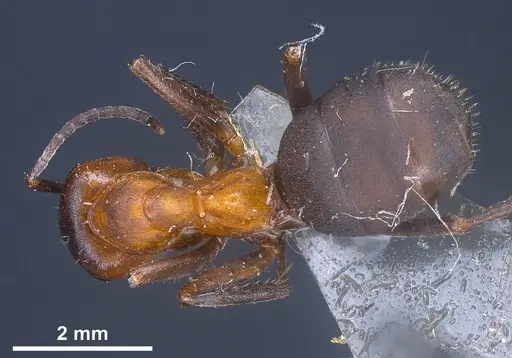
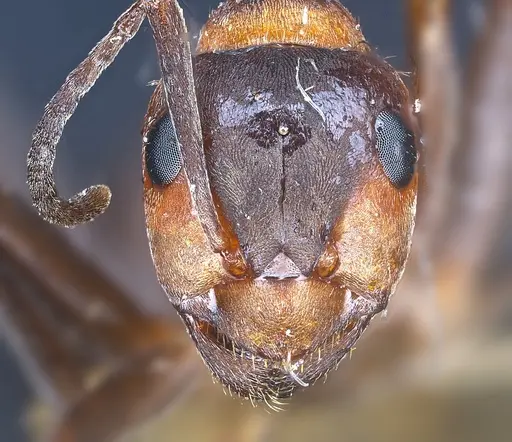
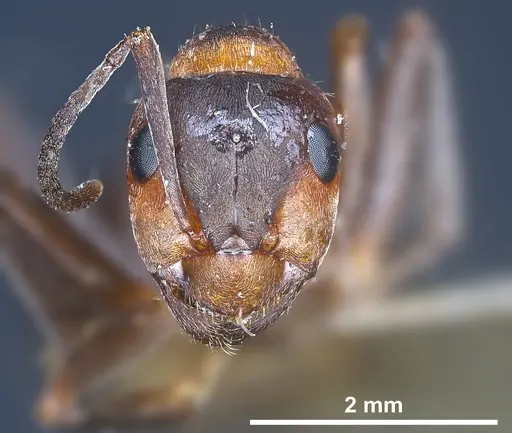
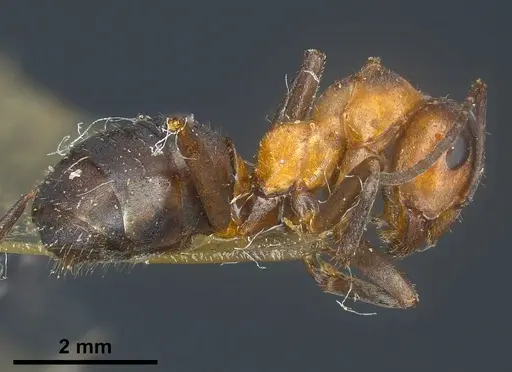
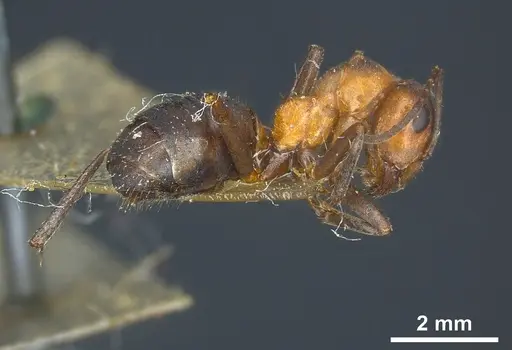
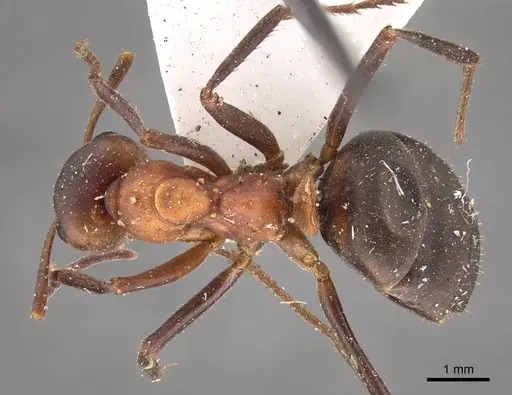
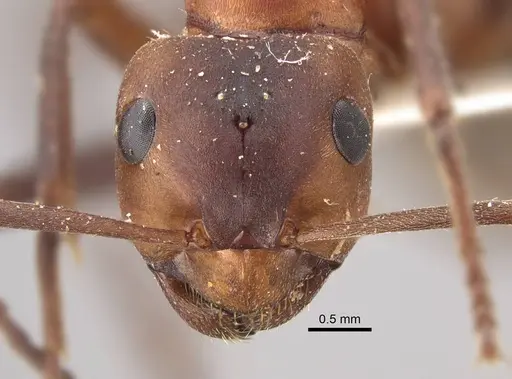
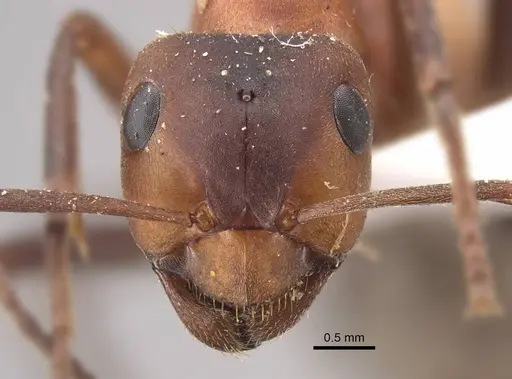
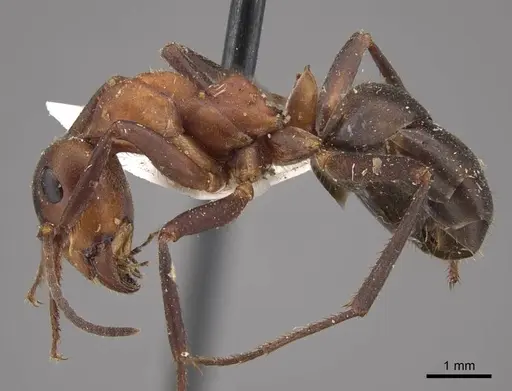
Formica kupyanskayae is a large red wood ant from the Formica rufa group, native to the Russian Far East and Korean Peninsula. Workers have light reddish-brown bodies with darker head and gaster; queens are larger and matt with dense hairs on the first gaster segment. This species lives in open forests – clearings, edges, and sparse woodlands – at low altitudes around 180 m . They build small mound nests (80–100 cm wide,60–80 cm tall) that house up to 1000 workers. Like other wood ants, they are active and aggressive in defending their nest, relying on formic acid spray rather than a sting.
Quick Summary
- Difficulty: Medium
- Origin & Habitat: Russian Far East (Amur, Khabarovsk, Primorye, Sakhalin) and Korean Peninsula. Found in forest zones, preferring mountain forests and open clearings, forest edges, or sparse woodlands at low altitudes around 180 m [1][2][3].
- Colony Type: Polygynous (multiple queens per colony). Colony foundation occurs through temporary social parasitism or colony budding [3].
- Size & Growth:
- Queen: size unknown – inferred from Formica genus (~8–12 mm) [1]
- Worker: size unknown – inferred from Formica genus (~4–8 mm) [1]
- Colony: Up to 1000 workers [3]
- Growth: Moderate
- Development: Approximately 6–8 weeks at optimal temperature based on related Formica species (Direct measurements for Formica kupyanskayae are not available. Development time is estimated from related rufa-group species.)
- Antkeeping:
- Temperature: Keep the nest at 20–24°C during the active season with a slight gradient. Room temperature (20–22°C) is usually fine. If your home drops below 18°C, use a heating cable on one side.
- Humidity: Moderate – keep the nest substrate slightly moist but not wet. These ants come from open, well‑drained habitats, so avoid over‑watering. A dry zone and a small moist area work well.
- Diapause: Yes – this temperate species needs winter hibernation. Reduce temperature to 5–10°C for 3–4 months (roughly November–February). Do not feed during this period. Keep the colony in a cool, dark spot.
- Nesting: Use Y‑tong (AAC) nests, plaster nests, or soil nests with spacious chambers. Provide a large outworld for foraging. These ants are not tiny, so standard escape‑proof connections work, but check all joints – they are active explorers.
- Behavior: Formica kupyanskayae is alert and defensive. Workers bite and spray formic acid when threatened, but they are not overly aggressive during routine maintenance if you work calmly. They forage during the day. Their main defense is chemical spray (no sting). Escape risk is moderate – secure all connections and lids tightly.
- Common Issues: colonies may fail without a winter hibernation period – this temperate species needs 3–4 months of cool rest, multi-queen colonies can show queen aggression if the nest is too cramped or food runs short, mold can develop if humidity is too high – aim for a dry‑to‑moist gradient rather than constant wetness, founding queens may struggle because temporary social parasitism usually requires a host worker, starting with an established colony is easier [3], up to 1000 workers means you need a large formicarium and regular feeding to avoid starvation
Housing and Nest Setup
Formica kupyanskayae needs a spacious setup for colonies that can reach 1000 workers. Y‑tong (AAC) nests or plaster nests work well. Make the nest chambers large enough for big Formica workers – avoid narrow passages. Connect a generous outworld for foraging. Standard tubing is fine, but secure every joint – these ants are active explorers. A naturalistic setup with soil and plants can also work. Whatever you choose, ensure the outworld is escape‑proof. [3]
Feeding and Diet
Like other Formica rufa group ants, Formica kupyanskayae is omnivorous but prefers protein. Offer a variety of small insects (fruit flies, small crickets, mealworms) along with honey or sugar water. Protein is essential for brood – feed 2–3 times per week for established colonies. Keep sugar water available constantly. They may also accept other energy sources. Remove uneaten prey after 24–48 hours to prevent mold. Reduce feeding during winter hibernation.
Temperature and Seasonal Care
This temperate species from the Russian Far East and Korea needs distinct seasons. During the active season, keep the nest at 20–24°C with a slight gradient. During winter (roughly November–February), hibernate the colony at 5–10°C for 3–4 months. Do not feed during hibernation. You can move the colony to an unheated garage, basement, or refrigerator. Without this rest period, the colony may weaken over time. Avoid direct sunlight or heating vents in summer. [3]
Colony Structure and Multi-Queen Care
Formica kupyanskayae is polygynous, meaning several queens can live together peacefully in one colony. In the wild, colonies have multiple reproductive queens. In captivity, you can keep multiple queens, but provide enough space to avoid resource competition. Colony foundation occurs through temporary social parasitism – new queens invade nests of related Formica species to get started. This means a single queen without workers will struggle to found a colony alone. If you want to keep this species, it's easier to acquire an established colony or a queen with host workers. [3]
Behavior and Temperament
Workers are active, alert, and defensive. They bite and spray formic acid when disturbed, but they are not aggressive toward keepers during calm maintenance. They forage diurnally. In the wild they build mound nests, in captivity they may try to build if given materials. Their size makes them easy to observe. Escape is a moderate risk – check all connections regularly. [1][3]
Frequently Asked Questions
How long does it take for Formica kupyanskayae to produce first workers?
Based on typical Formica rufa group development, expect first workers (nanitics) roughly 6–8 weeks after eggs are laid at around 22°C. Direct measurements for this species are not available, so this is an estimate.
Can I keep multiple queens together?
Yes, this species is naturally polygynous (multiple queens per colony). Multiple queens can coexist peacefully if the setup is spacious enough to avoid competition for food or nesting space.
What temperature do Formica kupyanskayae need?
During the active season, keep the nest at 20–24°C with a slight gradient. Room temperature is usually fine. In winter, hibernate at 5–10°C for 3–4 months.
Do Formica kupyanskayae need hibernation?
Yes – this temperate species requires a winter hibernation period. Reduce temperature to 5–10°C for about 3–4 months (roughly November–February). Do not feed during hibernation. This rest period is essential for long‑term colony health.
How big do Formica kupyanskayae colonies get?
In the wild, colonies can reach up to 1,000 workers. In captivity with good care, you can expect several hundred workers. They grow at a moderate pace.
What do Formica kupyanskayae eat?
They are omnivorous. Offer small insects (fruit flies, mealworms, small crickets) as protein, and honey or sugar water as an energy source. Feed protein 2–3 times per week and keep sugar water available constantly.
Are Formica kupyanskayae good for beginners?
This species is rated medium difficulty. Their multi‑queen structure and need for hibernation add complexity. They are more suitable for keepers who already have some experience with temperate ants.
When should I move Formica kupyanskayae to a formicarium?
Start them in a test tube setup for founding. Once the colony has 20–30 workers and is actively foraging, move them to a Y‑tong or plaster nest with a spacious outworld. Because the colony can grow large, plan ahead with a big enough setup.
Why is my Formica kupyanskayae colony declining?
Common causes: lack of hibernation, humidity too high (mold), insufficient protein, or queen loss. Make sure you provide a winter cooling period, moderate humidity, regular protein feeding, and check for escapes. A sudden decline may also mean the queen died.
Report an Issue
The current care sheet is based fully on literature. See inconsistencies, or something that's incorrect? Please , it will be resolved after review from an admin. Contributing to the blogs tab also helps providing information, to make us be able to further improve the caresheets. Thank you for your support!
References

この飼育シートのライセンスは: CC BY-SA 4.0 .
コミュニティブログ
文献
分布マップを読み込み中...製品情報を読み込み中...