
紹介
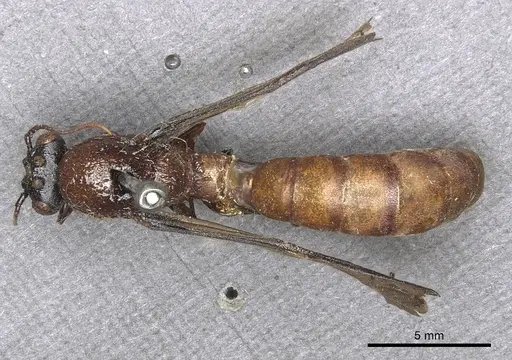
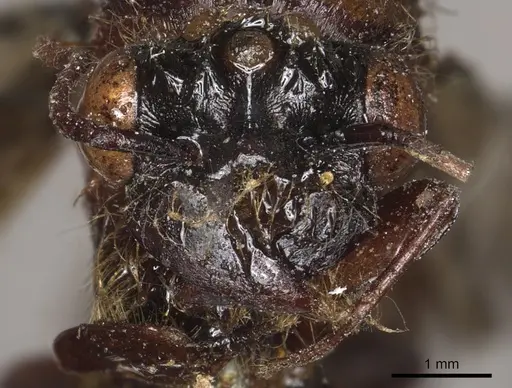
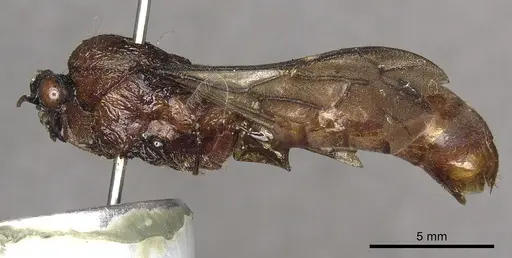
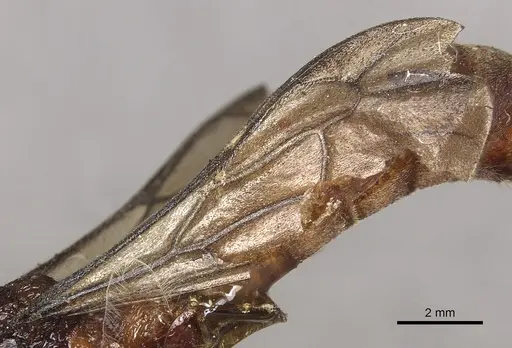
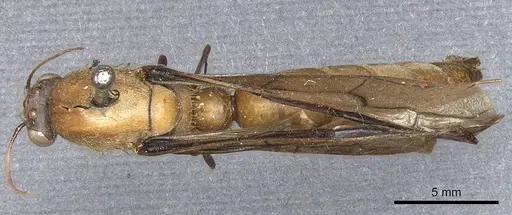
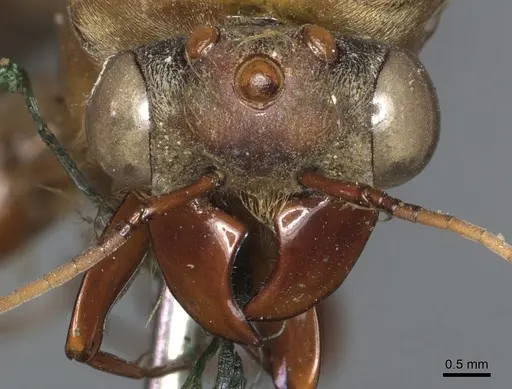
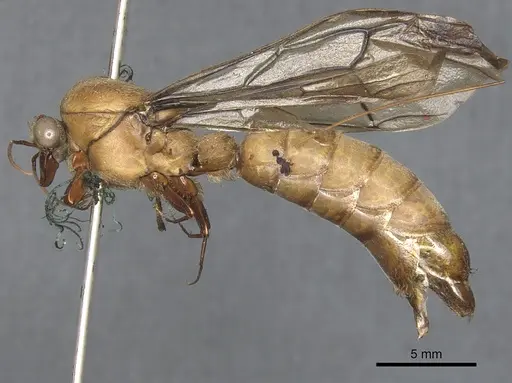
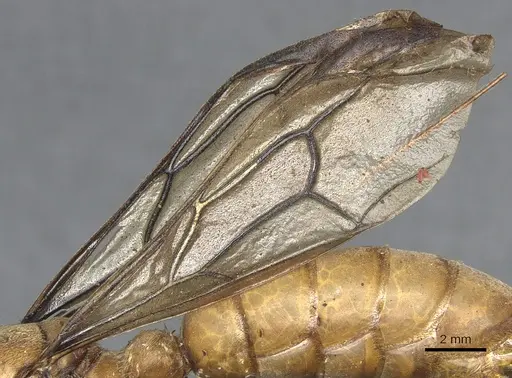
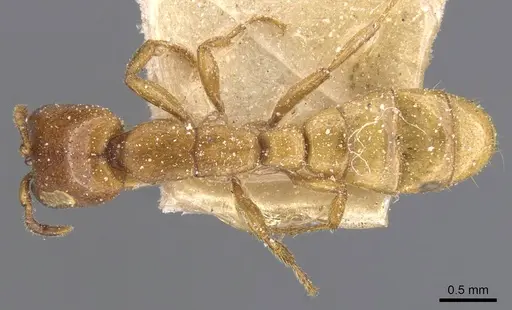
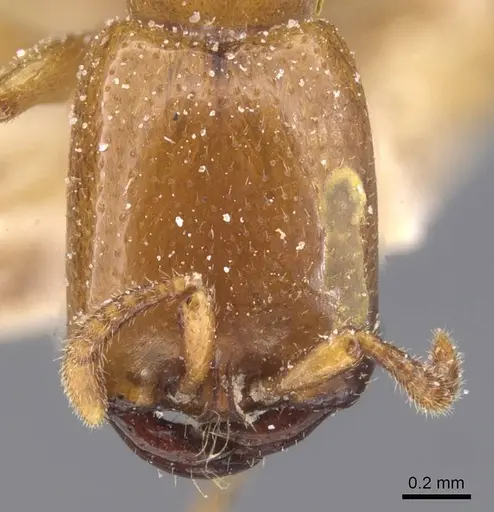
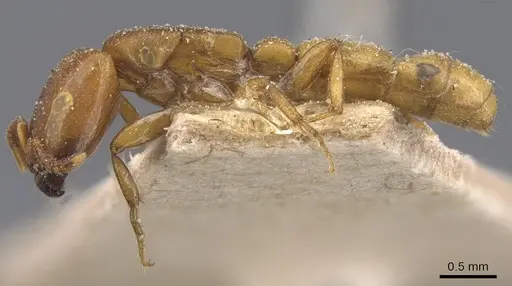
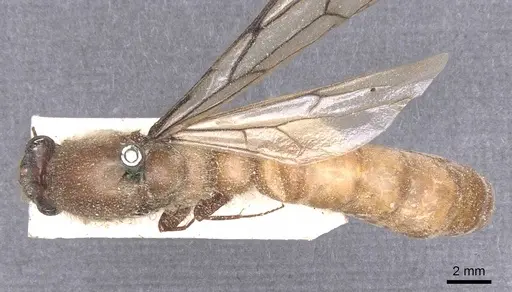
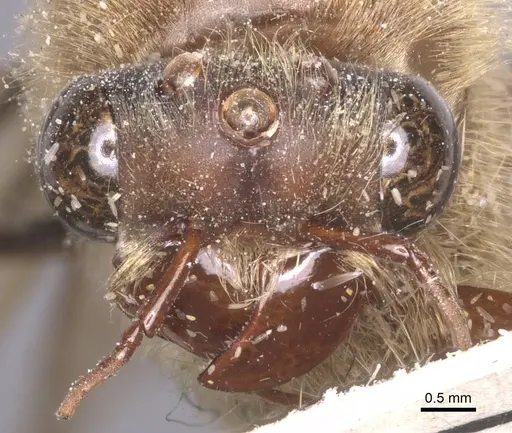
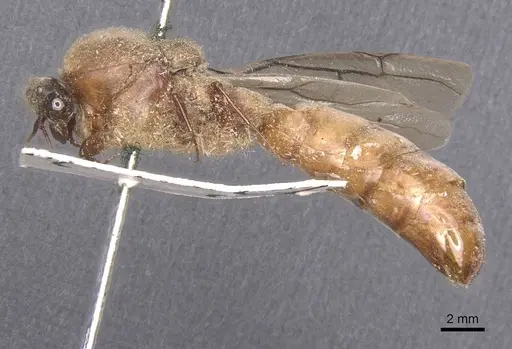
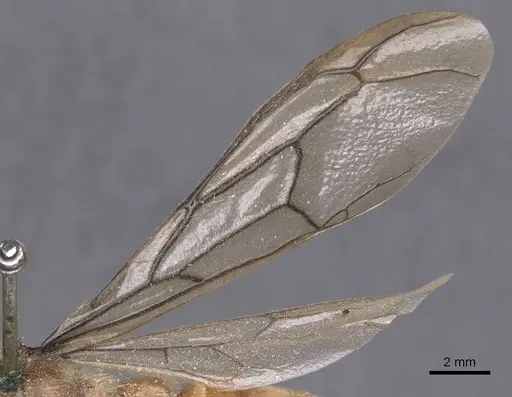
Dorylus attenuatus is an army ant species in the Dorylinae subfamily, found across the Afrotropical region including Botswana, Democratic Republic of Congo, Gambia, and Namibia . The male was originally described from what is likely the Gambia region and is similar to the larger Dorylus orientalis, distinguished by shorter antennae and broader mandibles . This species belongs to the Dorylus orientalis-group . Little is known about the specific biology of this species in captivity - most care information is inferred from general Dorylus genus patterns.
Quick Summary
- Difficulty: Expert
- Origin & Habitat: Afrotropical region, found in Botswana, Democratic Republic of Congo, Gambia, and Namibia [1][2]. They inhabit savanna and forest edge environments.
- Colony Type: Colony structure is unconfirmed. Dorylus genus species typically form large colonies, but specific colony type data for D. attenuatus is unavailable.
- Size & Growth:
- Queen: Size data unavailable for this species
- Worker: Size data unavailable for this species
- Colony: Colony size data unavailable
- Growth: Growth rate data unavailable
- Development: Development timeline unconfirmed for this species (Army ant colonies typically produce brood in waves rather than continuously.)
- Antkeeping:
- Temperature: Keep at 24-28°C, army ants require warm conditions. A heating cable on one side of the outworld creates a gradient.
- Humidity: High humidity required, aim for 70-80% relative humidity. Keep the nest area consistently moist but not waterlogged.
- Diapause: No true diapause expected, these are tropical ants that remain active year-round.
- Nesting: Use a naturalistic setup with multiple chambers. They need extensive space for colonies. A Y-tong or plaster nest with large chambers works well. They prefer dark, humid nest conditions.
- Behavior: Dorylus species are known for predatory swarming behavior and aggressive colony defense. They will attack perceived threats aggressively and can deliver painful bites. Workers are polymorphic with distinct major and minor castes. They are primarily predatory, hunting insects and other arthropods in organized raids. Escape prevention is critical, they are strong climbers and will exploit any gap.
- Common Issues: Colony collapse from stress, ants may be sensitive to disturbance, Escape prevention failures due to their persistence and climbing ability, Overheating or drying out, they require stable humidity and temperature, Insufficient space for growing colonies, they need much more space than typical ants, Feeding difficulties, establishing consistent prey acceptance can be challenging, Aggressive behavior makes routine maintenance risky without proper equipment
Housing and Colony Setup
Dorylus attenuatus requires significantly more space than typical ant species. A standard formicarium will quickly become inadequate, plan for expansive housing from the start. Use a large naturalistic setup with multiple interconnected chambers. The outworld should be equally spacious, as army ants spend considerable time foraging and conducting raids. Keep the nest area dark and humid, covering the nest with an opaque cover to simulate underground conditions. Ensure all connections between nest and outworld are wide enough to accommodate swarming workers without creating bottlenecks.
Feeding and Diet
Dorylus attenuatus is primarily predatory, hunting insects and other small arthropods in organized swarming raids. Feed a variety of live prey including crickets, mealworms, roaches, and other insects appropriate to the colony size. Larger colonies can handle bigger prey items. Offer prey at least twice weekly, with larger colonies requiring more frequent feeding. Some colonies may accept protein gels or prepared ant diets, but live prey should form the bulk of their nutrition. Remove uneaten prey after 24-48 hours to prevent mold and bacterial issues. Sugar sources are generally not a significant part of army ant diet, though some workers may occasionally drink honeydew or nectar if available.
Temperature and Seasonal Care
Maintain temperatures between 24-28°C for optimal colony health and development. Army ants are tropical species and do not tolerate cool conditions. Use a heating cable or mat on one side of the nest to create a temperature gradient, allowing the colony to self-regulate. Avoid temperatures below 20°C as this can slow colony growth and activity. Unlike temperate species, Dorylus attenuatus does not require hibernation or diapause. However, you may notice reduced activity during winter months if room temperatures drop. Monitor the colony closely during cooler periods and consider supplemental heating if workers become sluggish.
Behavior and Colony Dynamics
Dorylus attenuatus exhibits classic army ant behavior, they are nomadic predators that conduct regular swarming raids to capture prey. Workers are polymorphic, with major workers serving as soldiers and defenders while minor workers handle foraging and brood care. The colony is highly defensive and will attack any perceived threat aggressively. Expect significant worker mortality during raids, this is normal army ant behavior. The colony structure means they are constantly producing new workers while older workers die off. Specific colony dynamics for this species remain unstudied.
Safety and Handling
Exercise extreme caution when working with Dorylus attenuatus. Their bites are painful and they will swarm aggressively when the nest is disturbed. Always wear protective gloves and use proper tools when maintaining the colony. Never open the nest without a clear purpose and a plan to close it quickly. Army ant bites can cause irritation and in rare cases allergic reactions. Keep the colony in a secure location away from children and pets. The escape risk is high, these ants are persistent and will find any gap in sealing. Use fluon or other barriers on all potential escape routes.
Frequently Asked Questions
Can I keep Dorylus attenuatus as a beginner?
No, Dorylus attenuatus is not suitable for beginners. These army ants require expert-level care, massive housing, and constant attention to humidity and temperature. Their aggressive swarming behavior and potential for painful bites make them dangerous for inexperienced keepers. Start with easier species like Lasius niger or Messor barbarus before attempting army ants.
How long does it take for Dorylus attenuatus to produce first workers?
Development timeline is unconfirmed for this species. First workers typically appear within 4-8 weeks in Dorylus species under optimal conditions, but this varies significantly. Founding colonies can be slow and uncertain. The queen may take time to establish a proper egg-laying rhythm.
How big do Dorylus attenuatus colonies get?
Colony size data is unavailable for this specific species. Dorylus genus species can form large colonies, but exact sizes for D. attenuatus are unstudied. You must be prepared to provide increasingly large space as the colony grows.
What do I feed Dorylus attenuatus?
Feed primarily live insects, crickets, mealworms, roaches, and other arthropods appropriate to your colony size. Offer prey at least twice weekly. Remove uneaten prey within 48 hours. Army ants are obligate predators and may not accept sugar water or honey, though some keepers report occasional acceptance of sweet liquids.
Do Dorylus attenuatus need hibernation?
No, these are tropical ants that do not require hibernation based on their geographic range. Keep them at warm temperatures (24-28°C) year-round. Cooler temperatures will slow their metabolism and colony growth, but they remain active throughout the year.
Can I keep multiple queens together in one colony?
Colony type is unconfirmed for this species. While many Dorylus species are polygynous, specific data for D. attenuatus is unavailable. Proceed with caution when introducing additional queens.
When should I move Dorylus attenuatus to a formicarium?
Move to a formicarium once the colony reaches several hundred workers and the test tube setup becomes cramped. However, for Dorylus, you will likely need to build custom housing much earlier than with other species due to their space requirements. Start planning for large-scale housing when the colony reaches 100 workers.
Why are my Dorylus attenuatus dying?
Common causes include: temperature too low (below 20°C), humidity too low or too high, stress from disturbance, insufficient prey, or mold in the nest. Army ants can be sensitive to environmental changes. Check all parameters and ensure the colony is in a quiet, dark location. Also note that some worker mortality is normal, army ants have high turnover rates.
Are Dorylus attenuatus dangerous to humans?
They can deliver painful bites but are not medically significant like some wasp or bee species. However, their aggressive swarming behavior means they can overwhelm and bite repeatedly if threatened. Use caution and protective equipment when handling. Keep them secure from children and pets.
Report an Issue
The current care sheet is based fully on literature. See inconsistencies, or something that's incorrect? Please , it will be resolved after review from an admin. Contributing to the blogs tab also helps providing information, to make us be able to further improve the caresheets. Thank you for your support!
References

この飼育シートのライセンスは: CC BY-SA 4.0 .
コミュニティブログ
文献
分布マップを読み込み中...製品情報を読み込み中...