
Dilobocondyla selebensis
- 学名
- Dilobocondyla selebensis
- 族
- Crematogastrini
- 亜科
- Myrmicinae
- 命名者
- Emery, 1898
- 分布
- 0 か国で発見
紹介
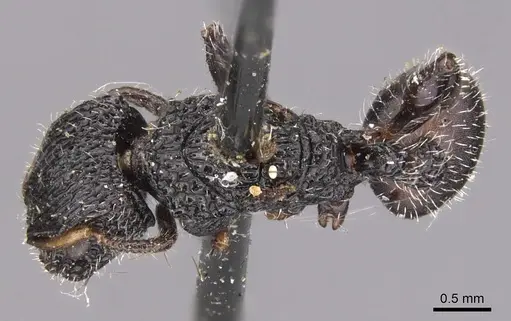
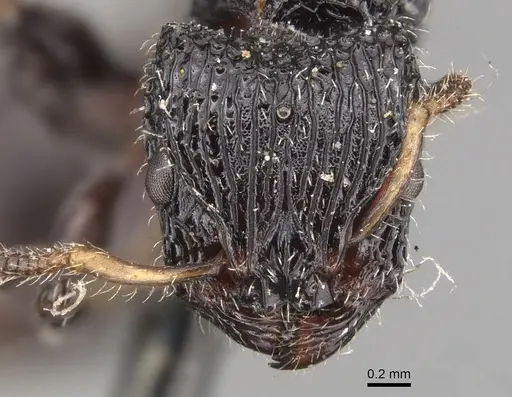
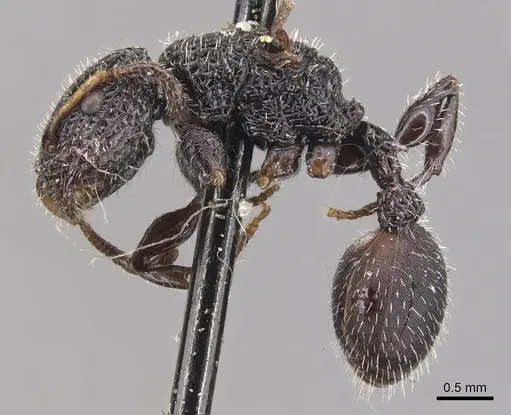
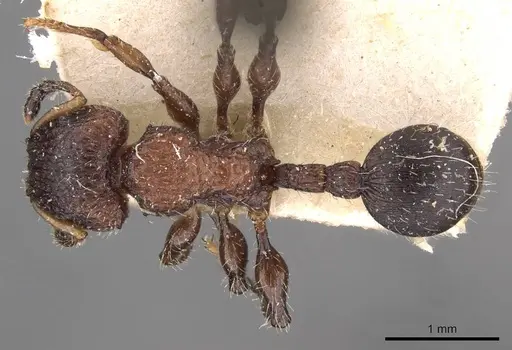
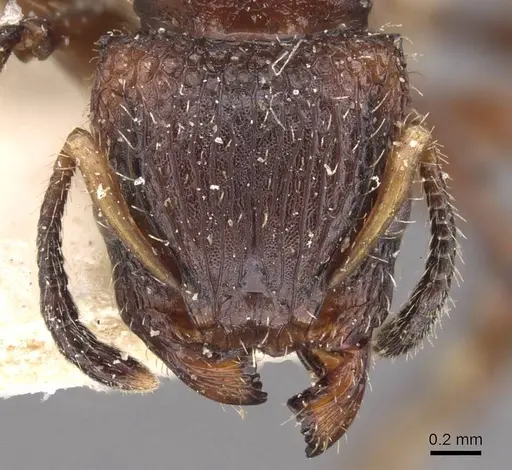
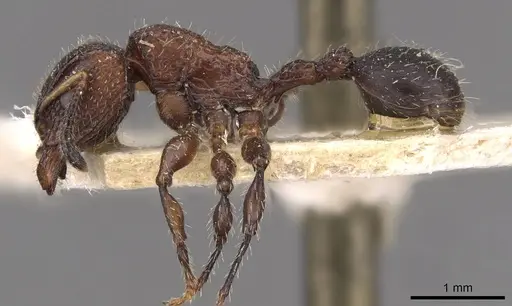
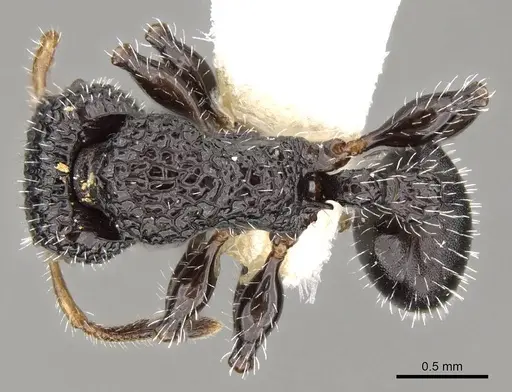
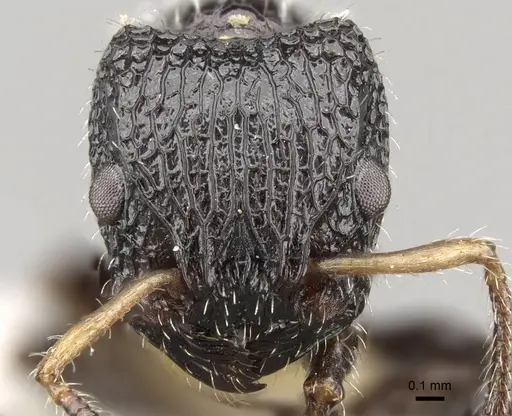
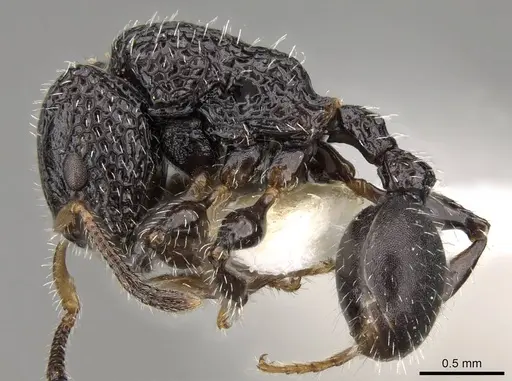
Dilobocondyla selebensis is a rare Myrmicinae ant species native to the Indonesian archipelago, specifically Sulawesi, Borneo, and Malaysia. Queens measure approximately 6mm in total length, making them relatively large for the genus . Workers are slightly smaller. They are entirely black with distinctive strong rugae on the dorsal surface and a concave hind margin of the head . This species is the type species for the genus Dilobocondyla, meaning it was the first species described when the genus was established . The genus remains poorly studied with limited documentation in both wild habitats and captivity.
Quick Summary
- Difficulty: Unknown, likely Expert
- Origin & Habitat: Tropical forest habitats in Sulawesi, Borneo, and Malaysia. The specific nesting biology is unconfirmed, but related Myrmicinae in this region typically nest in rotting wood or soil cavities in humid forest environments [3].
- Colony Type: Colony structure is unconfirmed. Based on typical genus patterns, likely single-queen colonies.
- Size & Growth:
- Queen: Approximately 6mm total length [1].
- Worker: Approximately 4-5mm, inferred from genus patterns.
- Colony: Up to several hundred workers, estimated from related species.
- Growth: Unknown, no development data available.
- Development: Unconfirmed. Based on typical Myrmicinae patterns in tropical conditions, estimate 6-10 weeks from egg to first worker at optimal temperature. (This is a rough estimate based on genus-level patterns. No direct development studies exist for this species.)
- Antkeeping:
- Temperature: Infer from habitat: Sulawesi is tropical with year-round warmth. Start around 24-28°C and observe colony activity. If workers cluster near heat, increase slightly, if they avoid it, reduce. Avoid temperatures below 20°C.
- Humidity: Infer from habitat: Tropical forest floor conditions. Keep nest substrate consistently moist but not waterlogged. Provide a humidity gradient so ants can choose their preferred zone.
- Diapause: Unconfirmed. Tropical species from Sulawesi likely do not require hibernation, but may have reduced activity during cooler periods.
- Nesting: Based on related species in similar habitats, likely prefers nesting in rotting wood or soil cavities. In captivity, a Y-tong (AAC) nest or plaster nest with moisture retention works well. Provide a humid, dark environment with minimal disturbance during founding.
- Behavior: Behavior is unconfirmed. Based on genus-level patterns, likely moderate activity levels with typical Myrmicinae foraging behavior. Escape prevention should be moderate, while not tiny, they can climb smooth surfaces. No data on stingers or aggression levels exists. Handle with care until behavior is better understood.
- Common Issues: extremely limited species-specific data makes care recommendations largely inferential., no documented captive colonies means no established husbandry protocols exist., wild-caught colonies may have parasites or diseases that are poorly understood., slow growth and long development times may frustrate keepers expecting visible progress., humidity requirements are uncertain, too dry or too wet could cause colony failure.
Species Overview and Identification
Dilobocondyla selebensis is a distinctive ant species known primarily from the Indonesian island of Sulawesi and surrounding regions including Borneo and Malaysia. The queen measures approximately 6mm in total length, making it relatively large within its genus [1]. Workers are slightly smaller, typically in the 4-5mm range based on genus patterns. The species is entirely black, with characteristic strong rugae on the dorsal surface of the mesosoma and a concave hind margin to the head. These identification features distinguish it from other Dilobocondyla species. The species was originally described by Emery in 1898 as Dilobocondyla selebensis before being transferred to the genus Dilobocondyla by Santschi in 1910 [2]. One subspecies, Dilobocondyla selebensis simalurana, is recognized.
Natural History and Distribution
Dilobocondyla selebensis is found across the Indomalaya region, specifically in Borneo, Indonesia, Malaysia, and Sulawesi [3]. The exact habitat preferences are not documented in scientific literature, but the distribution suggests adaptation to tropical forest environments. Sulawesi's climate is warm year-round with high humidity, typical of tropical Indonesian islands. No specific nesting records exist in the wild, though related Myrmicinae in similar habitats typically nest in rotting wood, under stones, or in soil cavities in shaded, humid locations. The species appears to be rare in collection records, with few specimens documented in ant surveys across its range.
Housing and Nesting in Captivity
Since no captive husbandry protocols exist for this species, recommendations must be based on inference from related Myrmicinae and the species' likely habitat requirements. A Y-tong (AAC) nest or plaster formicarium with moisture retention would likely work well, as these provide the humid, dark environment the species probably requires. The nest should be kept in a quiet location with minimal disturbance, especially during colony founding. Provide a humidity gradient by moistening one end of the nest while keeping another area slightly drier, allowing the ants to self-regulate. The outworld should include a water source and simple foraging area. Escape prevention should be moderate, while not particularly small, they can climb smooth surfaces, so standard barriers are recommended.
Feeding and Nutrition
No specific dietary data exists for Dilobocondyla selebensis. Based on typical Myrmicinae behavior and related species in similar habitats, they likely have an omnivorous diet similar to most forest-floor ants. They probably consume small insects, honeydew from aphids or scale insects, and may accept sugar sources. In captivity, offer a varied diet including small live prey (fruit flies, pinhead crickets, mealworms), sugar water or honey, and protein-rich foods. Feed small amounts initially and observe acceptance. Remove uneaten prey after 24-48 hours to prevent mold. Since the species may be slow-moving or secretive, ensure prey is placed near foraging areas.
Temperature and Environmental Conditions
Sulawesi maintains tropical temperatures year-round, typically 24-30°C in lowland areas. In captivity, aim for temperatures in the 24-28°C range. A slight thermal gradient allows ants to regulate their body temperature. If using a heating cable or mat, place it on one side of the nest rather than directly underneath to avoid overheating and excessive drying. Room temperature within this range is acceptable. Avoid temperatures below 20°C for extended periods. Humidity should be moderate to high, think damp forest floor conditions. The nest substrate should feel consistently moist but not waterlogged. Some dry areas within the setup allow for behavioral thermoregulation.
Colony Development and Growth
No documented development timeline exists for this species. Based on typical Myrmicinae patterns in tropical conditions, expect approximately 6-10 weeks from egg to first worker (nanitic) at optimal temperature. Initial colony growth will likely be slow, claustral founding queens must raise the first brood alone without foraging. The first workers will be smaller than mature workers (nanitics) and may not live as long. Subsequent broods should develop faster as the colony grows and more workers are available to care for larvae and forage for food. Patience is essential, as this species appears to be slow-growing even by ant standards.
Frequently Asked Questions
How do I care for Dilobocondyla selebensis in captivity?
Care recommendations are largely inferential since this species has no documented captive history. Provide a humid nest (Y-tong or plaster), maintain temperatures around 24-28°C, and offer a varied diet of small insects and sugar sources. This is an expert-level species due to the lack of established husbandry protocols.
What do Dilobocondyla selebensis ants eat?
No specific dietary data exists. Based on related Myrmicinae, they likely accept small insects, honeydew, and sugar water. Offer varied foods and observe what they accept.
How long does it take for Dilobocondyla selebensis to produce first workers?
Unconfirmed. Based on typical tropical Myrmicinae, estimate 6-10 weeks from egg to first worker at optimal temperature. This is a rough estimate with low confidence.
Do Dilobocondyla selebensis ants need hibernation?
Unlikely. As a tropical species from Sulawesi, they probably do not require hibernation. However, they may have reduced activity during cooler periods.
What temperature is best for Dilobocondyla selebensis?
Based on their tropical habitat, aim for 24-28°C. Avoid temperatures below 20°C. A slight gradient allows self-regulation.
How big do Dilobocondyla selebensis colonies get?
Unconfirmed. Based on related species, likely up to several hundred workers. The species appears to be rare and may naturally form smaller colonies.
Is Dilobocondyla selebensis good for beginners?
No. This species is not recommended for beginners due to the complete lack of species-specific husbandry data. All care recommendations are inferential guesses rather than established protocols.
Do Dilobocondyla selebensis ants sting?
Unconfirmed. Most Myrmicinae have stingers, but whether they can penetrate human skin and cause pain is unknown. Handle with care regardless.
Where is Dilobocondyla selebensis found?
Sulawesi, Borneo, and Malaysia in the Indomalaya region [3].
Can I keep multiple Dilobocondyla selebensis queens together?
Unconfirmed. No data exists on colony founding behavior or queen tolerance. Do not attempt combining unrelated queens without documented success.
Report an Issue
The current care sheet is based fully on literature. See inconsistencies, or something that's incorrect? Please , it will be resolved after review from an admin. Contributing to the blogs tab also helps providing information, to make us be able to further improve the caresheets. Thank you for your support!
References

この飼育シートのライセンスは: CC BY-SA 4.0 .
コミュニティブログ
文献
分布マップを読み込み中...製品情報を読み込み中...