
Crematogaster subtonsa
- 学名
- Crematogaster subtonsa
- 亜属
- Orthocrema
- 族
- Crematogastrini
- 亜科
- Myrmicinae
- 命名者
- Santschi, 1925
- 分布
- 0 か国で発見
紹介
Crematogaster subtonsa is a small myrmicine ant species native to Brazil, specifically from Minas Gerais . Workers have a heart-shaped abdomen that can be raised over the thorax, typical of the genus . The species was originally described as a variety of Crematogaster brevispinosa but was raised to full species status in 2003 . It belongs to the Crematogaster crinosa complex, which requires further taxonomic study . This species is known only from its type locality in Pirapora, making it one of the less documented Crematogaster species in the Neotropics .
Quick Summary
- Difficulty: Hard
- Origin & Habitat: Neotropical Brazil, specifically Minas Gerais (Pirapora) [1][2]. Natural habitat preferences are unconfirmed, but related Crematogaster species typically nest in dead wood, under bark, or in arboreal locations in tropical forest environments [2].
- Colony Type: Unconfirmed. No documented colony structure for this species.
- Size & Growth:
- Queen: Size data unavailable. Based on Crematogaster genus patterns, queens are typically 5-8 mm (inferred).
- Worker: Size data unavailable. Based on Crematogaster genus patterns, workers are typically 2-4 mm (inferred).
- Colony: Unknown, no data available.
- Growth: Unknown
- Development: Estimated 4-8 weeks at tropical temperatures, based on genus patterns (inferred). (No specific development data exists, estimates are based on general Crematogaster knowledge.)
- Antkeeping:
- Temperature: 24-28°C, based on Neotropical distribution and genus patterns (inferred).
- Humidity: Keep nest substrate consistently moist but not waterlogged, based on tropical forest ant habits (inferred).
- Diapause: Unknown, no documented seasonal requirements.
- Nesting: Prefers dead wood or arboreal cavities based on genus patterns (inferred). In captivity, use Y-tong (AAC), plaster, or test tube setups with access to a foraging area.
- Behavior: Active foragers that explore their outworld readily. Not aggressive toward keepers but will defend their nest if threatened. Primary defense is smearing venom with a modified stinger, typical of Crematogastrini. Escape prevention should be moderate due to their small size, as they can slip through small gaps.
- Common Issues: lack of documented care information makes successful keeping challenging., taxonomic uncertainty may lead to misidentification within the crinosa complex., no development data complicates accurate care timelines., species not available in the hobby, requiring field collection with legal and logistical challenges.
Taxonomic Background
Crematogaster subtonsa has a complicated taxonomic history. It was originally described in 1925 by Santschi as a variety of Crematogaster crinosa, based on workers collected from Pirapora in Minas Gerais, Brazil. For decades it remained a subspecies or variety until John T. Longino's revision in 2003 raised it to full species status [1]. Longino noted that this species requires further taxonomic study, as it belongs to the Crematogaster crinosa complex, a group of very similar species that are difficult to distinguish [1].
Natural History and Habitat
The natural history of Crematogaster subtonsa is essentially undocumented. It is known only from Pirapora, Minas Gerais, Brazil [1][2]. Based on related Crematogaster species, they likely nest in dead wood, under bark, or in arboreal locations and are generalist foragers [2]. However, these are general genus traits, this specific species may have unique behaviors that are not yet known.
Keeping Considerations
There is no documented information about keeping Crematogaster subtonsa in captivity. This species has never been recorded in the antkeeping hobby. If you obtain this species, you would be pioneering its husbandry. Based on genus-level patterns, a reasonable starting point is tropical temperatures (24-28°C), moderate humidity, and a nest that mimics dead wood or arboreal cavities. Feed a generalist diet of sugar water and protein sources like small insects. However, this is speculative, actual care requirements are unknown.
Availability and Collection
Crematogaster subtonsa is not known to be available in the antkeeping hobby. Its known range is extremely limited, only documented from a single collection in Pirapora, Brazil [1]. Obtaining this ant would likely require field collection in Brazil, which comes with significant legal and logistical challenges. Many Crematogaster species look very similar, so expert identification is needed to confirm specimens [1].
Frequently Asked Questions
How do I keep Crematogaster subtonsa ants?
There is no documented care information for this species. It has never been kept in captivity. Based on genus patterns, you would likely need tropical temperatures (24-28°C), moderate humidity, and a nest that mimics dead wood or arboreal cavities. However, actual care requirements are unknown.
What do Crematogaster subtonsa eat?
Not specifically documented. Based on related Crematogaster species, they likely accept sugar sources like honey or sugar water and protein from small insects [2].
How long do Crematogaster subtonsa take to develop from egg to worker?
Unknown, no development data exists. Based on typical Crematogaster patterns, estimate 4-8 weeks at tropical temperatures, but this is a rough guess with low confidence.
Do Crematogaster subtonsa ants sting?
Crematogaster ants have a stinger but are too small to cause meaningful pain to humans. They use a smear defense mechanism typical of their subfamily.
Are Crematogaster subtonsa good for beginners?
No, this species has no documented care information and would be extremely challenging to keep successfully. There are many better-documented species available in the hobby.
Where does Crematogaster subtonsa live?
Only known from Pirapora, Minas Gerais, Brazil [1][2]. It may have a wider distribution, but the species has only been documented from this single location.
How big do Crematogaster subtonsa colonies get?
Unknown, no colony size data exists for this species.
Do Crematogaster subtonsa need hibernation?
Unknown. Given their Brazilian origin, a true hibernation is unlikely, but they may reduce activity during cooler periods.
Can I keep multiple Crematogaster subtonsa queens together?
Unknown, colony structure has not been documented for this species. Many Crematogaster are single-queen, but some are polygynous. Without data, combining queens is not recommended.
Is Crematogaster subtonsa available to buy?
No, this species is not known to be available in the antkeeping hobby. It would require field collection from Brazil, which has significant legal and logistical challenges [1].
Report an Issue
The current care sheet is based fully on literature. See inconsistencies, or something that's incorrect? Please , it will be resolved after review from an admin. Contributing to the blogs tab also helps providing information, to make us be able to further improve the caresheets. Thank you for your support!
References

この飼育シートのライセンスは: CC BY-SA 4.0 .
コミュニティブログ
CASENT0912761
AntWebで見る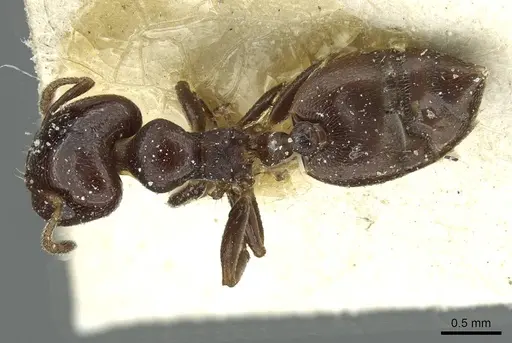
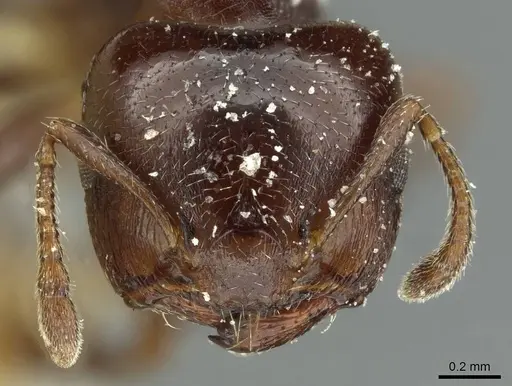
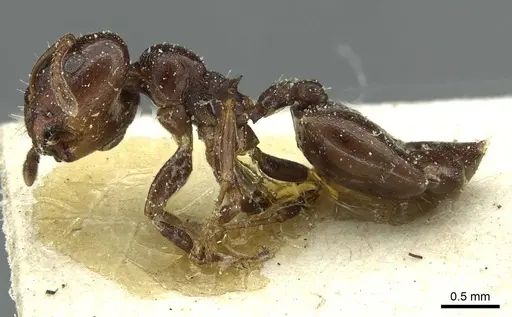
文献
分布マップを読み込み中...製品情報を読み込み中...